
How Can a Container Refrigeration Room Aluminum Finned Tube Improve Cold Storage Efficiency and Temperature Stability
Maintaining stable temperatures, protecting stored products, and controlling operating costs are essential for modern cold storage facilities. A Container Refrigeration Room Aluminum Finned Tube provides an effective natural-convection heat exchange solution for applications that prioritize long-term temperature stability and reduced moisture loss. Paulair specializes in project-oriented refrigeration equipment solutions, offering customized aluminum finned tube configurations according to cold room dimensions, storage temperatures, refrigeration capacity, and specific operating requirements.
Article Summary: This article explores how aluminum finned tube evaporators work in container refrigeration rooms, their structural characteristics, technical specifications, practical applications, and advantages over conventional fan-type air coolers. It also explains how to select the appropriate heat exchange area, evaluate manufacturing quality, and coordinate the evaporator with an existing refrigeration system.

Table of Contents
- 1. Understanding Aluminum Finned Tube Technology
- 2. How Does the Natural Convection System Work?
- 3. Key Advantages for Cold Storage Applications
- 4. Technical Specifications and Configuration Options
- 5. Aluminum Finned Tube vs. Fan-Type Air Cooler
- 6. Typical Applications Across Different Industries
- 7. How to Choose the Right Aluminum Finned Tube
- 8. Manufacturing Process and Quality Inspection
- 9. Installation and Maintenance Considerations
- 10. Frequently Asked Questions
- 11. Conclusion: Choosing a Reliable Refrigeration Solution
1. Understanding Aluminum Finned Tube Technology
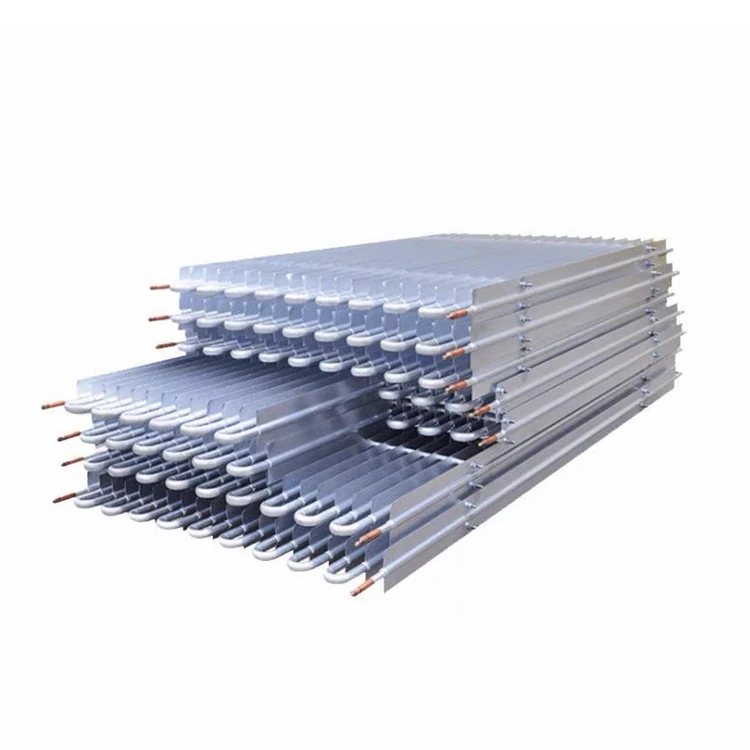
A Container Refrigeration Room Aluminum Finned Tube is a natural-convection evaporator designed to transfer heat from the internal air of a refrigerated storage space to the circulating refrigerant. Its primary components include aluminum tubes, closely integrated aluminum fins, refrigerant distribution connections, and supporting structures.
Unlike conventional evaporators equipped with axial fans, this design relies on natural air circulation. As room air comes into contact with the cold finned surface, it loses heat and becomes denser. The cooled air gradually moves downward, while relatively warmer air rises toward the evaporator, creating continuous natural convection.
Aluminum is an important material choice because it combines relatively low weight, good thermal conductivity, and practical corrosion resistance in humid refrigeration environments. The fin structure increases the effective heat exchange surface, helping the system absorb heat without requiring forced airflow.
For long-term storage facilities, this design offers a practical balance between temperature stability, quiet operation, and product protection.
2. How Does the Natural Convection System Work?
The operating principle is based on refrigerant evaporation and natural air circulation. These two processes work together to maintain the required storage temperature.
The refrigeration cycle generally follows these stages:
- Refrigerant distribution: Low-pressure refrigerant enters the evaporator through the distributor and flows into the aluminum tube circuits.
- Heat absorption: Refrigerant evaporates inside the tubes, absorbing heat transferred through the tube walls and aluminum fins.
- Natural air movement: Warm air rises toward the cold evaporator surface, where heat is removed without mechanical fans.
- Refrigerant return: The refrigerant leaves the evaporator as superheated vapor and returns toward the compressor.
- Defrost operation: When frost accumulates on the cold surface, an electric heater or hot-gas defrost system removes the buildup.
Because the system does not use an evaporator fan, it avoids fan-generated noise and reduces forced airflow across exposed products. This is particularly useful for long-term storage applications where maintaining product quality is more important than achieving extremely rapid cooling.
3. Key Advantages for Cold Storage Applications
Choosing an appropriately engineered aluminum finned tube can provide several operational benefits for refrigerated warehouses and container cold rooms.
3.1 Quiet Operation Without Evaporator Fans
Natural convection eliminates the need for axial fans inside the evaporator. This reduces operating noise and removes fan motors and blades from the equipment structure, simplifying certain maintenance requirements.
3.2 Reduced Moisture Loss
Continuous forced airflow can accelerate surface moisture evaporation from unpackaged products. Natural-convection cooling reduces this airflow effect, making the system attractive for applications involving meat, seafood, and other moisture-sensitive goods.
3.3 Stable Temperature for Long-Term Storage
The relatively large heat exchange surface supports gradual and consistent heat removal. When correctly sized and matched with the refrigeration system, the evaporator can maintain suitable conditions for long-term storage.
3.4 Lightweight Aluminum Construction
Aluminum tubes and fins help reduce equipment weight while providing effective heat transfer. This is beneficial for ceiling-suspended installations and projects with specific structural loading requirements.
3.5 Flexible Project Customization
Different cold rooms require different heat exchange capacities. Tube diameter, fin spacing, row count, circuit arrangement, connection position, and defrost configuration can be customized to meet actual project conditions.
4. Technical Specifications and Configuration Options
Technical configuration directly influences heat exchange performance, frost management, and compatibility with the refrigeration system. The following specifications represent the typical engineering ranges offered for Paulair aluminum finned tube solutions.
| Parameter | Technical Specification |
|---|---|
| Tube Material | Aluminum 1060 / 3003 |
| Tube Diameter and Wall Thickness | Φ19 × 1.0 mm standard; Φ16 / Φ22 / Φ25 available |
| Fin Material | Aluminum |
| Fin Thickness | 0.35–0.6 mm |
| Fin Pitch | 8–20 mm, variable pitch available |
| Tube Row Count | 2–12 rows |
| Standard Design Pressure | 2.5 MPa |
| Pressure Testing | 2.8 MPa nitrogen holding test for at least 24 hours |
| Refrigerant Compatibility | R404A, R507A, R448A, R449A, R22 and equivalents, subject to confirmation |
| Defrost Options | Electric heater or hot-gas defrost |
| Installation | Ceiling suspended or wall mounted |
| Typical Room Temperature Range | −25°C to +10°C, depending on the application |
Heat exchange area is determined by the actual refrigeration load rather than room volume alone. The following ranges provide preliminary references:
- Small cold rooms: Approximately 15–40 m².
- Medium-sized cold rooms: Approximately 40–100 m².
- Large cold storage facilities: 100 m² and above, calculated according to project requirements.
These figures are reference ranges, not universal sizing recommendations. Final configurations should be confirmed through engineering calculations.
5. Aluminum Finned Tube vs. Fan-Type Air Cooler
Not every cold storage project requires the same cooling method. Natural-convection aluminum finned tubes and fan-type air coolers serve different operating requirements.
| Comparison Item | Aluminum Finned Tube | Fan-Type Air Cooler |
|---|---|---|
| Air Circulation | Natural convection | Forced air circulation |
| Operating Noise | No evaporator fan noise | Fan-generated noise |
| Product Moisture Loss | Reduced forced-air drying effect | Potentially higher for unpackaged goods |
| Cooling Speed | Moderate | Generally faster |
| Ideal Application | Long-term storage | Rapid cooling and frequent product turnover |
| Moving Components | No evaporator fan assembly | Fan motors and blades |
| Airflow Requirements | Natural circulation clearance | Unobstructed air delivery path |
For projects requiring rapid pull-down, high air circulation velocity, or frequent loading and unloading, a fan-type air cooler may be more appropriate. However, for long-term frozen storage and applications where reduced airflow-induced moisture loss is important, an aluminum finned tube can be a better solution.
6. Typical Applications Across Different Industries
The versatility of the Container Refrigeration Room Aluminum Finned Tube makes it suitable for various low-temperature storage environments.
- Frozen Food Warehouses: Maintaining controlled temperatures for packaged frozen products during extended storage periods.
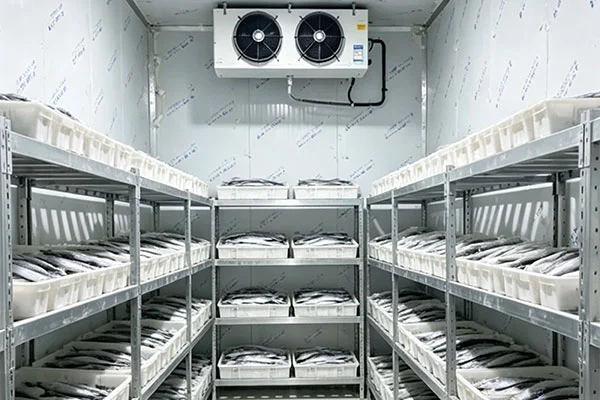
- Meat and Seafood Storage: Reducing forced airflow over exposed products to help limit surface dehydration.
- Food Processing Facilities: Supporting low-temperature holding areas for meat, aquatic products, and processed food materials.
- Commercial Catering Storage: Providing relatively quiet cooling for back-of-house refrigerated storage rooms.
- Long-Term Cold Storage: Supporting facilities where temperature stability and reduced mechanical complexity are important.
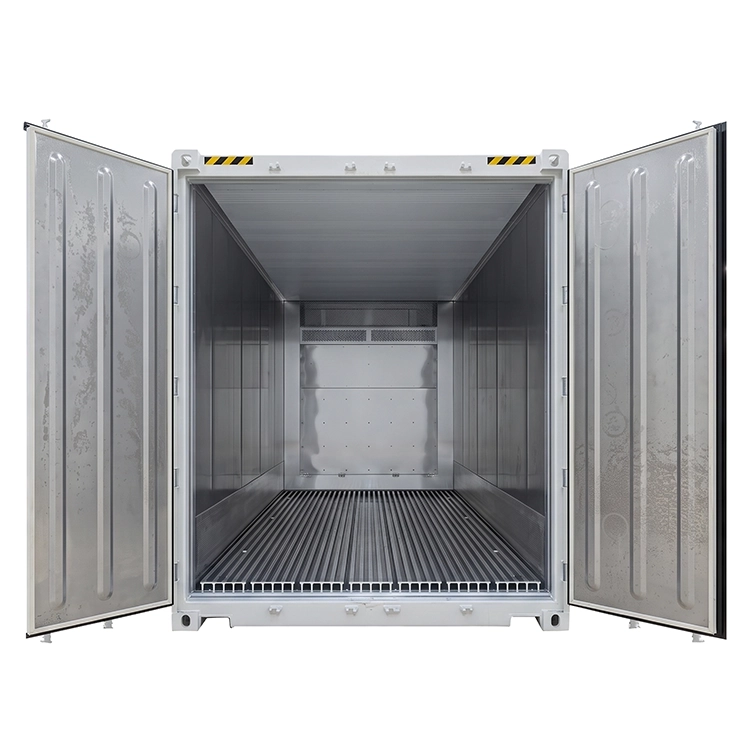
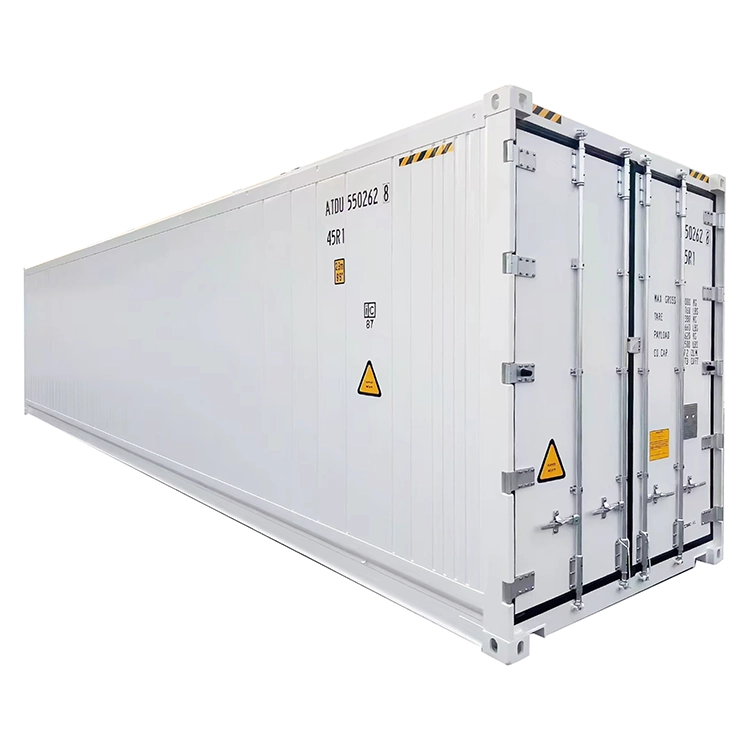
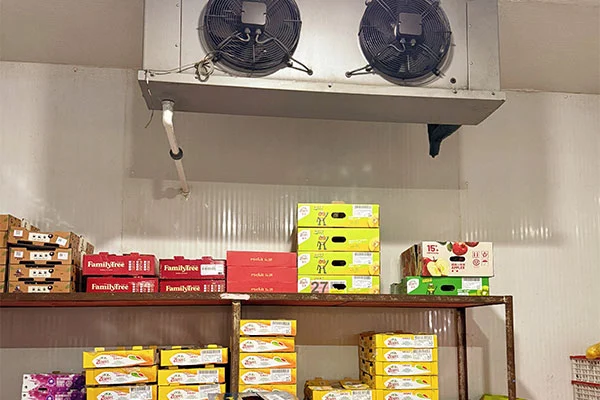
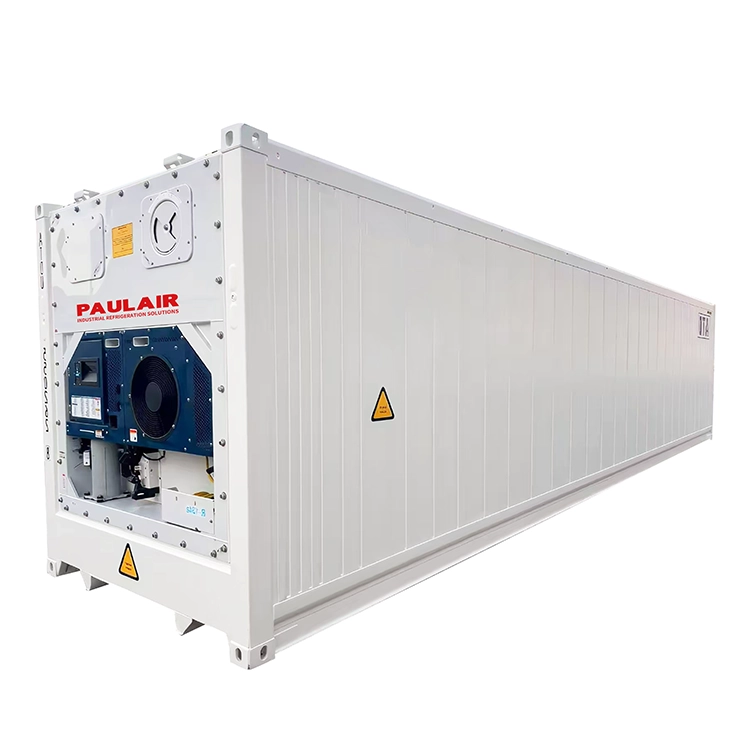
- Container Cold Room Projects: Integrating customized evaporator configurations into container-based refrigeration systems.
Actual suitability depends on the required temperature, refrigeration load, humidity, door traffic, product characteristics, and available installation space.
7. How to Choose the Right Aluminum Finned Tube
Correct equipment selection is essential for achieving reliable refrigeration performance. Choosing an evaporator based only on cold room dimensions may result in insufficient cooling capacity or unnecessary equipment oversizing.
Before requesting a quotation, buyers should prepare the following information:
- Cold room dimensions: Internal length, width, and height.
- Required storage temperature: Target operating temperature and acceptable temperature fluctuation.
- Stored product information: Product type, average daily intake, and storage characteristics.
- Incoming product temperature: Temperature of goods when they enter the cold room.
- Refrigeration system details: Compressor model, refrigeration capacity, and refrigerant type.
- Insulation specifications: Cold room panel thickness and insulation performance.
- Operating conditions: Door opening frequency, ambient conditions, and expected operating schedule.
- Installation requirements: Ceiling structure, mounting space, piping arrangement, and drainage access.
Based on this information, engineers can determine the appropriate heat exchange area, tube arrangement, fin pitch, circuiting, and defrost method. Matching the evaporator with the refrigeration unit from the beginning also helps reduce the risk of inefficient operation and compressor short cycling.
8. Manufacturing Process and Quality Inspection
Manufacturing consistency directly affects heat exchange performance, pressure resistance, and equipment service life. A professional production process should include several important inspection stages.
- Engineering Drawing Approval: Confirm coil dimensions, circuit design, connection positions, and mounting arrangements.
- Tube and Fin Processing: Cut, bend, clean, and prepare aluminum tubes and accurately punched fins.
- Mechanical Fin Expansion: Expand the tube to establish close contact between the tube wall and fin collars, improving heat transfer.
- Header and Connection Fabrication: Complete distributor, header, and refrigerant connection assembly through controlled brazing processes.
- Pressure Holding Test: Conduct a nitrogen pressure test at 2.8 MPa for at least 24 hours, with no pressure drop accepted under the specified test conditions.
- Leak Detection: Inspect brazed joints and connections using appropriate leak detection methods, such as soap solution or helium detection.
- Electrical Inspection: Check defrost heaters, wiring, terminal connections, and insulation resistance where applicable.
- Final Dimensional Inspection: Verify overall dimensions, fin pitch, connection positions, and internal cleanliness against approved drawings.
Pressure test records and electrical inspection documents can be provided with the shipment upon request. These records help installation teams verify the equipment before commissioning.
9. Installation and Maintenance Considerations
Even a well-designed evaporator requires proper installation to achieve its intended performance. Several details should be addressed before the equipment arrives at the project site.
Installation Recommendations
- Confirm that ceiling structures or wall supports can safely carry the equipment load.
- Maintain sufficient clearance for natural air circulation around the finned surface.
- Arrange refrigerant piping according to the approved engineering drawing.
- Plan the defrost water drainage route before installation.
- Ensure that electrical connections and heater ratings match the approved design.
- Keep sufficient access space for inspection, cleaning, and future maintenance.
Routine Maintenance
Operators should periodically inspect fin surfaces for excessive frost, dust, and physical deformation. Defrost controls, electrical connections, drainage pipes, and refrigerant joints should also be checked according to the equipment manufacturer's maintenance recommendations.
Paulair provides a 12-month warranty covering qualifying non-human quality issues, together with remote commissioning support, operating parameter adjustments, fault diagnosis, and related spare parts assistance subject to warranty conditions.
10. Frequently Asked Questions
Q1: What is the main advantage of an aluminum finned tube evaporator?
Its main advantage is natural-convection heat exchange without an evaporator fan. This reduces fan noise and forced airflow across stored goods, making it suitable for long-term storage applications that prioritize temperature stability and reduced moisture loss.
Q2: Can this evaporator be used in a low-temperature freezer room?
Yes. The typical operating temperature range is approximately −25°C to +10°C, depending on the actual design conditions. The heat exchange area, fin spacing, defrost arrangement, and refrigeration system must be selected according to the required operating temperature.
Q3: How does fin spacing affect refrigeration performance?
Fin spacing influences heat exchange surface density and frost accumulation. Wider spacing can help delay frost bridging in frost-prone environments, while the final configuration should balance heat transfer requirements, humidity, and defrost intervals.
Q4: Which refrigerants are compatible with this product?
Typical compatibility includes R404A, R507A, R448A, R449A, R22, and equivalent refrigerants, subject to engineering confirmation. Material compatibility, operating pressure, and system requirements should be checked before ordering.
Q5: Can the tube dimensions and installation positions be customized?
Yes. Tube diameter, tube length, row count, fin pitch, circuit arrangement, connection orientation, and mounting configuration can be customized according to the approved project drawings.
Q6: What pressure testing is performed before shipment?
The standard inspection includes a nitrogen holding test at 2.8 MPa for at least 24 hours, with no pressure drop accepted under the specified test procedure. Brazed joints and connections are also checked for leakage.
Q7: Is an aluminum finned tube better than a fan-type air cooler?
Neither solution is universally better. Aluminum finned tubes are more suitable for quiet, stable, long-term storage, while fan-type air coolers generally provide faster cooling and stronger forced-air circulation. Selection should depend on the actual refrigeration duty.
Q8: What information should buyers provide to receive a quotation?
Buyers should provide cold room dimensions, target temperature, stored product type, daily product intake, incoming product temperature, refrigeration unit model, refrigerant type, insulation specifications, and installation conditions. These details help engineers prepare an accurate configuration and quotation.
11. Conclusion: Choosing a Reliable Refrigeration Solution
A properly engineered Container Refrigeration Room Aluminum Finned Tube offers an effective solution for cold storage projects that require natural convection, quiet operation, reduced forced-air moisture loss, and stable long-term temperature control. Its performance depends on more than aluminum material selection: heat exchange area, fin spacing, refrigerant circuit design, defrost configuration, and system compatibility must all work together.
Paulair provides customized aluminum finned tube refrigeration solutions based on actual project requirements, supported by engineering drawings, pressure testing, quality inspection, and technical assistance. Whether you are developing a container cold room, upgrading a frozen food warehouse, or sourcing evaporator components for an industrial refrigeration project, choosing the correct configuration is essential to long-term operating reliability. Contact us today with your cold room dimensions, temperature requirements, and refrigeration system details to receive a tailored technical proposal and competitive factory-direct quotation from Paulair.
Related News
- How Can a Container Cold Room for Root Vegetables Extend Freshness and Reduce Post-Harvest Losses
- How Can a Container Cold Room for Green Vegetables Keep Produce Fresher and Reduce Post-Harvest Losses
- Container Blast Freezer Room Improves Food Processing Efficiency
- Container Freezer Room Meets Low-Temperature Storage Needs
- Container Cold Room Supports Fresh Supply Chain Upgrades
Leave me a message
New Products
News Recommendations