
How Can a Container Cold Room for Root Vegetables Extend Freshness and Reduce Post-Harvest Losses
Maintaining the freshness and commercial quality of root vegetables during long-term storage and transportation is a major challenge for agricultural producers, food distributors, and cold chain operators. A professionally engineered Container Cold Room for Root Vegetables from Paulair provides a flexible solution through precise temperature regulation, active humidity management, optimized airflow, and reliable thermal insulation. Designed for potatoes, carrots, onions, ginger, and sweet potatoes, this modular refrigeration system helps minimize moisture loss, control sprouting, and protect produce quality throughout storage and transportation.
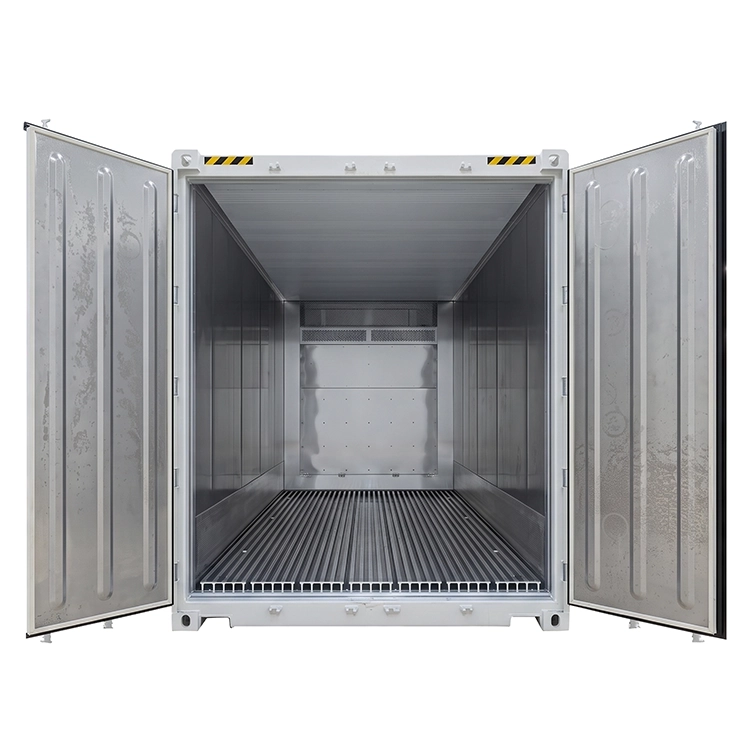
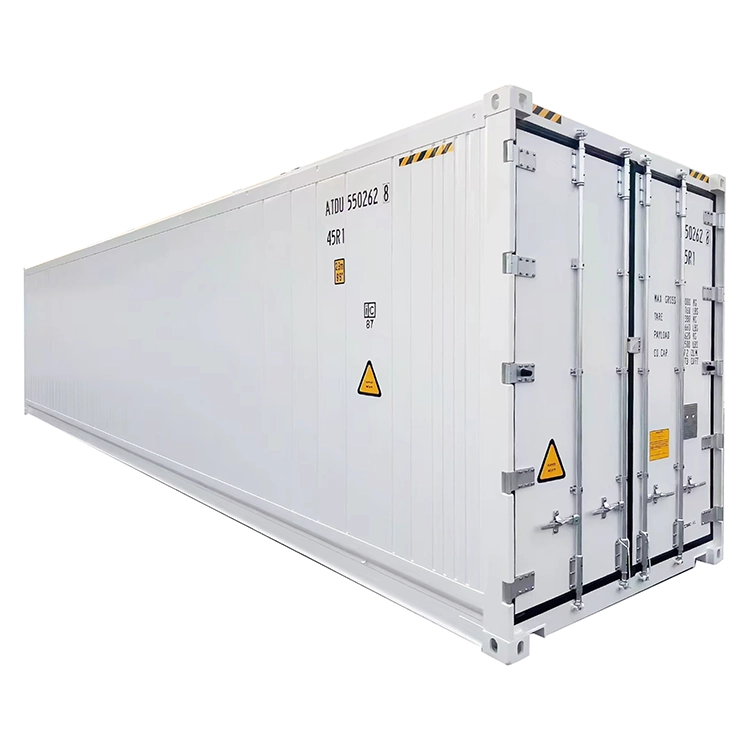
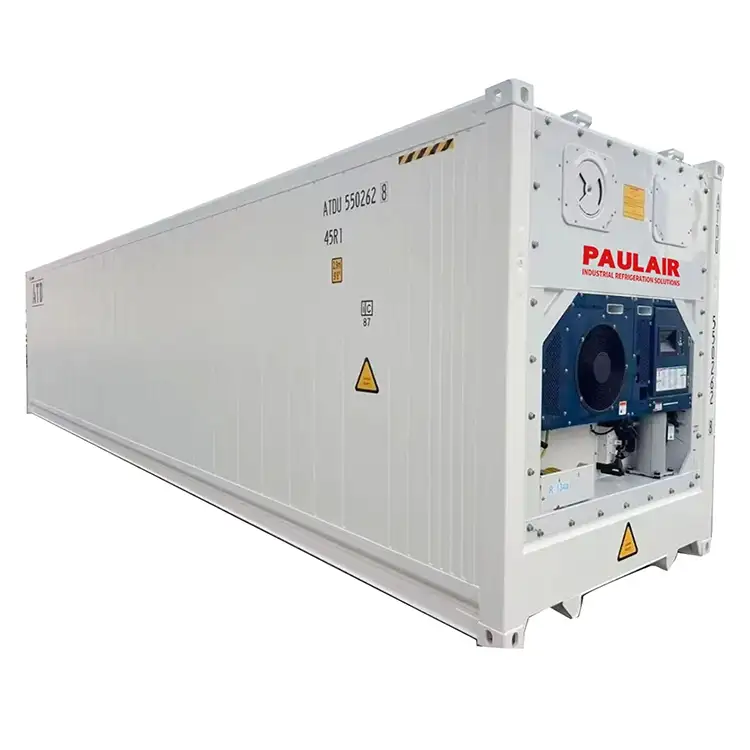
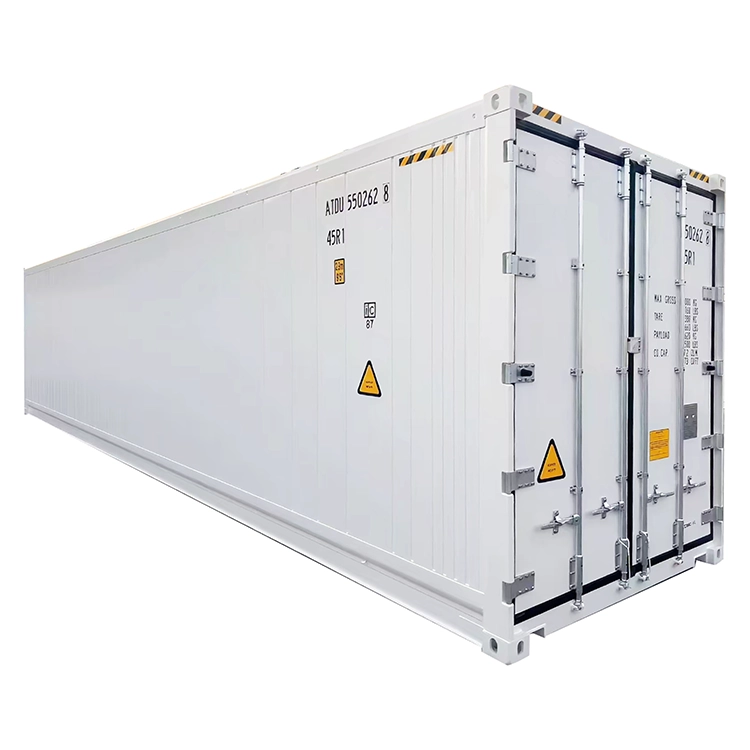
A container cold room for root vegetables is a modular refrigerated storage solution designed to maintain crop-specific temperature and humidity conditions. With adjustable temperatures from -25°C to +25°C and humidity regulation between 85% and 90% RH, it supports different root crop preservation requirements. Available in 20ft, 40ft High Cube, and customized configurations, the system integrates high-density polyurethane insulation, PLC automation, optional IoT monitoring, and customizable ventilation. These features help agricultural businesses improve post-harvest handling, reduce storage losses, and strengthen cold chain efficiency.

Table of Contents
- Why Do Root Vegetables Need Specialized Cold Storage?
- How Does a Container Cold Room Work?
- Temperature and Humidity Control Requirements
- Key Technical Specifications and Features
- Why Insulation and Airflow Matter
- PLC Automation and IoT Monitoring
- Customization Options and Storage Configurations
- Main Applications Across the Agricultural Supply Chain
- How to Choose the Right Container Cold Room
- Frequently Asked Questions
- Conclusion
1. Why Do Root Vegetables Need Specialized Cold Storage?
Root vegetables are important agricultural commodities with different physiological characteristics and storage requirements. Although potatoes, carrots, onions, ginger, and sweet potatoes can generally tolerate longer storage periods than many leafy vegetables, improper environmental conditions can still cause significant quality deterioration.
Common post-harvest problems include:
- Moisture loss: Low relative humidity accelerates dehydration, resulting in wrinkled surfaces, reduced weight, and lower market value.
- Premature sprouting: Inappropriate storage temperatures can stimulate sprouting, particularly in potatoes and onions.
- Mold and bacterial decay: Excessive humidity combined with insufficient ventilation creates favorable conditions for microbial growth.
- Temperature fluctuations: Unstable cooling conditions can shorten storage life and affect product quality.
- Light exposure: Continuous light exposure can cause potatoes to turn green and promote the accumulation of undesirable compounds.
A specialized container refrigeration system addresses these challenges by providing controlled environmental conditions instead of relying on ordinary refrigerated containers with limited crop-specific adjustments.
2. How Does a Container Cold Room Work?
A container cold room combines an insulated enclosure, a refrigeration unit, an air circulation system, and intelligent control components to establish a stable storage environment.
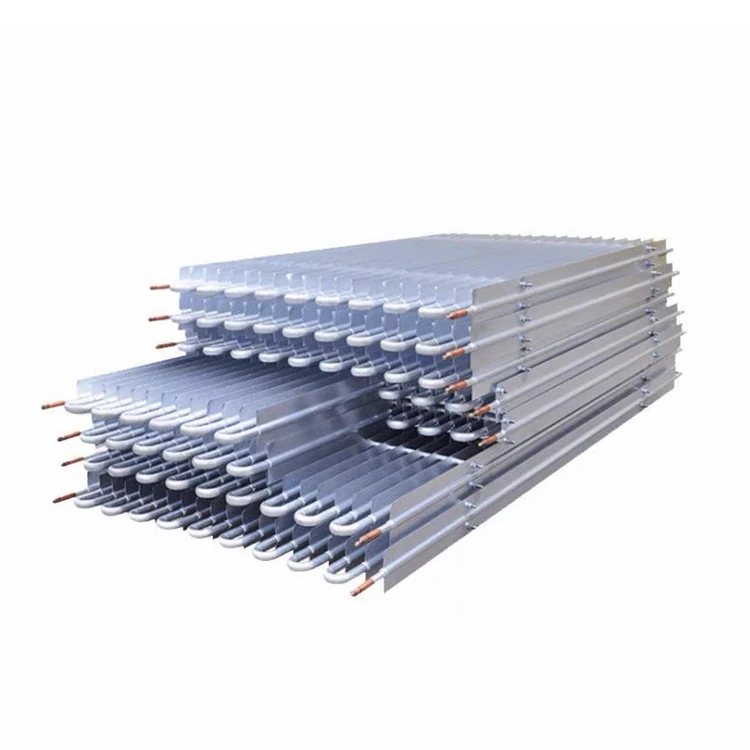
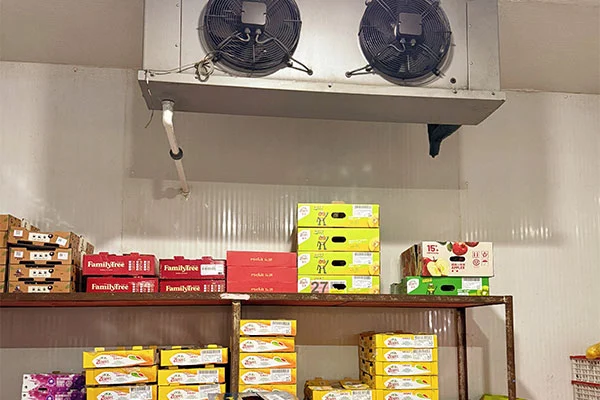
The refrigeration system removes heat from the enclosed space, while strategically designed evaporators and air distribution channels circulate cooled air around stored products. Temperature and humidity sensors continuously collect environmental data and transmit it to the central control system.
Based on actual operating conditions, the control system coordinates refrigeration, humidification, dehumidification, ventilation, and defrost operations.
Unlike conventional storage buildings, a containerized design offers several practical advantages:
- Modular installation without requiring extensive permanent construction.
- Flexible relocation between farms, distribution centers, and logistics facilities.
- Scalable storage capacity through multiple container units.
- Convenient integration into existing agricultural cold chains.
- Suitable configurations for stationary storage and transportation-related applications.
This combination of mobility and environmental control makes containerized refrigeration particularly useful for businesses handling seasonal agricultural production.
3. Temperature and Humidity Control Requirements
Temperature and relative humidity are two essential factors influencing the preservation of root vegetables. Different crops have different respiration rates, chilling sensitivities, and moisture requirements. Therefore, a single temperature setting is not suitable for every commodity.
Paulair's container cold room supports an adjustable operating temperature range of -25°C to +25°C and relative humidity regulation between 85% and 90%, allowing the refrigeration configuration to be adapted to specific storage requirements.
Typical Storage Considerations for Different Root Crops
| Root Vegetable | Typical Temperature Consideration | Key Storage Priority |
|---|---|---|
| Potatoes | Approximately 4°C–8°C for suitable storage applications | Sprouting control and light protection |
| Carrots | Near 0°C under appropriate conditions | Moisture retention and dehydration prevention |
| Onions | Crop and curing-stage dependent; often require relatively dry storage conditions | Ventilation and prevention of condensation |
| Ginger | Approximately 12°C–14°C | Chilling injury prevention and humidity management |
| Sweet Potatoes | Approximately 12°C–14°C | Temperature stability and protection against chilling injury |
Note: These are general storage considerations rather than universal operating prescriptions. Actual settings should be determined according to crop variety, curing status, storage duration, product condition, and applicable agricultural guidelines. Onions, in particular, may require humidity levels different from those used for other root vegetables.
For mixed-product storage, optional multi-temperature partitions can create separate environmental zones. This allows different commodities to be stored under more appropriate conditions within one container structure, subject to the refrigeration and airflow design.
4. Key Technical Specifications and Features
Choosing a container cold room requires evaluating more than its external dimensions. Refrigeration capacity, insulation performance, control accuracy, structural design, and monitoring functions all influence long-term operating efficiency.
The following table summarizes the main specifications of Paulair's container cold room for root vegetables.
| Technical Parameter | Specification |
|---|---|
| Container Dimensions | 20ft / 40ft High Cube / Custom Modular |
| Temperature Control Range | -25°C to +25°C Adjustable |
| Relative Humidity | 85%–90% RH |
| Insulation Material | High-Density Polyurethane (PU) |
| Insulation Thickness | 100 mm |
| Thermal Conductivity | ≤0.024 W/(m·K) |
| Door Structure | Dual-Gasket Hermetic Sealing with Thermal Break |
| Control System | PLC Microcomputer Central Control Cabinet |
| Environmental Monitoring | Multi-Point Temperature and RH Sensors |
| Defrost Management | Automatic Electric or Hot-Gas Defrost Options |
| Remote Monitoring | Optional IoT Cloud-Based Management |
These specifications provide a foundation for designing storage equipment according to actual crop loads, ambient conditions, and operational requirements.
5. Why Insulation and Airflow Matter
Effective thermal insulation reduces unwanted heat transfer between the storage interior and the external environment. Paulair uses 100 mm high-density foamed-in-place polyurethane insulation with thermal conductivity as low as ≤0.024 W/(m·K).
Combined with dual-gasket hermetic door sealing, this structure helps minimize thermal leakage and reduce unnecessary refrigeration cycles.
Airflow management is equally important. Even when the refrigeration unit provides sufficient cooling capacity, poorly arranged cargo can create temperature differences throughout the container.
A well-designed airflow configuration should consider:
- Clear air intake and discharge pathways.
- Appropriate spacing between pallets and container walls.
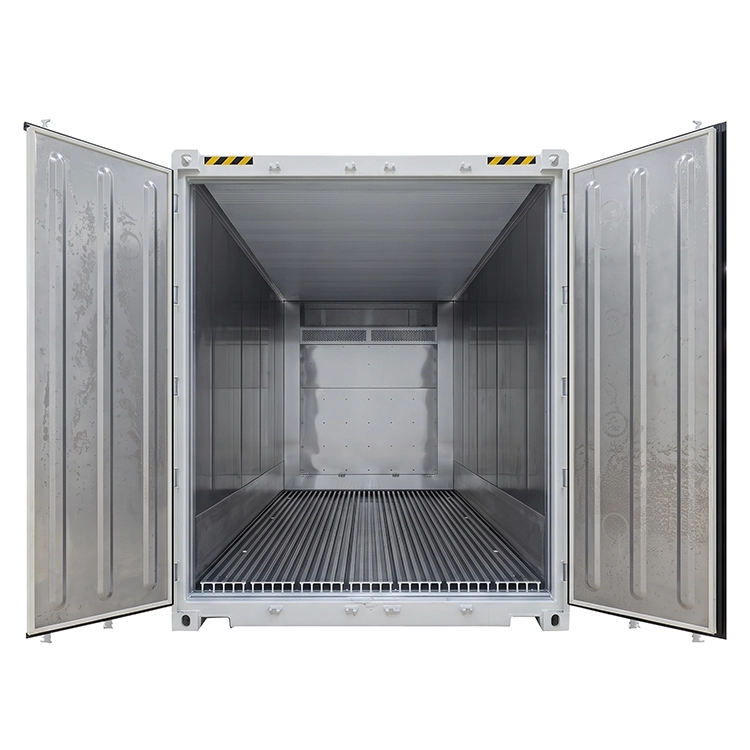
- Suitable floor grating for air circulation beneath stored products.
- Optimized air distribution for bagged and palletized commodities.
- Loading density that does not obstruct evaporator airflow.
For onions and garlic stored in bags, elevated floor grating and optimized static-pressure chambers can improve air penetration. Palletized products may benefit from customized guide rails and rack clearances.
Proper insulation and airflow work together to support consistent storage conditions and improve refrigeration efficiency.
6. PLC Automation and IoT Monitoring
Modern agricultural cold storage requires consistent environmental management with minimal manual intervention. An industrial PLC microcomputer control system helps coordinate the main refrigeration and environmental regulation processes.
Key automation functions include:
- Automatic temperature regulation.
- Humidity balancing and environmental adjustment.
- Automatic defrost management.
- Equipment fault detection and alarm signaling.
- Continuous monitoring through multiple temperature and humidity sensors.
For businesses managing multiple storage locations, optional IoT telematics provides another layer of operational visibility.
With cloud-based monitoring, authorized operators can access real-time operating information through mobile devices or desktop platforms. Historical temperature curves, humidity records, compressor operating status, and defrost information help managers evaluate system performance and identify abnormal conditions.
Remote diagnostics can also reduce unnecessary site visits, especially for unmanned farms, port staging facilities, and geographically distributed agricultural storage networks.
7. Customization Options and Storage Configurations
Different agricultural businesses have different storage workflows. A container cold room should therefore be configured around the type of produce, loading method, storage capacity, and available installation space.
Paulair offers several customization possibilities, including:
- Multi-zone temperature partitions: Separate storage areas for commodities with different temperature requirements.
- Micro-ventilation systems: Controlled fresh-air exchange to support appropriate ventilation.
- Active humidity management: Integrated humidification and dehumidification modules.
- Light-proof interior shielding: Helps prevent light-induced greening in potatoes.
- Anti-slip aluminum floor grating: Supports safe handling and appropriate air circulation.
- Customized pallet racks: Improves loading organization and storage utilization.
- Air duct delivery networks: Supports more uniform air distribution throughout the storage space.
These options allow the refrigeration enclosure to be adapted to different agricultural products and handling requirements rather than relying on a standard configuration for every application.
8. Main Applications Across the Agricultural Supply Chain
A container cold room for root vegetables is suitable for multiple stages of agricultural production, storage, and distribution.
On-Farm Post-Harvest Storage
Farm operators can install containerized cold storage close to harvesting locations. This helps establish temporary refrigerated capacity without constructing a permanent cold storage building.
Port and Logistics Transfer Centers
Importers and exporters can use modular cold rooms as buffer storage during seasonal shipping peaks, cargo consolidation, and distribution scheduling.
Long-Distance Transportation and Export Logistics
Temperature-controlled container solutions help maintain appropriate environmental conditions during intermodal logistics operations. Actual suitability for transportation depends on the container configuration and applicable transport requirements.
Wholesale Markets and Urban Distribution
Food wholesalers, supermarket suppliers, and regional distribution centers can use container cold rooms as flexible refrigerated storage facilities to manage inventory and seasonal demand.
9. How to Choose the Right Container Cold Room for Root Vegetables
Selecting suitable equipment requires a systematic evaluation of storage requirements rather than simply comparing container sizes or refrigeration power.
Before requesting a technical proposal, buyers should identify the following factors:
- Crop varieties: Determine whether the system will store potatoes, carrots, onions, ginger, sweet potatoes, or mixed commodities.
- Storage capacity: Calculate the maximum loading weight, product volume, and expected inventory turnover.
- Incoming product temperature: Identify whether harvested produce requires rapid precooling or only temperature maintenance.
- Target environmental conditions: Establish appropriate temperature and humidity parameters for each commodity.
- Ambient climate: Consider outdoor temperatures, humidity, solar exposure, and installation conditions.
- Storage duration: Evaluate the expected holding period and required temperature stability.
- Loading method: Specify bagged storage, palletized loading, rack systems, or other handling arrangements.
- Monitoring requirements: Determine whether remote IoT monitoring and automatic fault notifications are necessary.
It is also important to distinguish between precooling and long-term storage. Freshly harvested produce with significant field heat may require higher initial cooling capacity than products that have already been precooled.
For related refrigeration requirements, buyers can also explore Paulair Container Cold Room, Container Freezer Room, and Container Blast Freezer Room solutions.
10. Frequently Asked Questions
Q1: What vegetables can be stored in a container cold room for root vegetables?
A container cold room can be configured for potatoes, carrots, onions, garlic, ginger, sweet potatoes, and other root or tuber crops. The exact operating conditions should be adjusted according to the characteristics and storage requirements of each commodity.
Q2: What temperature range does Paulair's container cold room support?
Paulair's container cold room supports an adjustable temperature range from -25°C to +25°C. This broad operating range allows the refrigeration configuration to accommodate different preservation requirements and customized applications.
Q3: Can different root vegetables be stored in the same container?
Yes, depending on their compatibility. Optional multi-temperature partitions can create separate climate zones for products with different temperature requirements. However, humidity, ventilation, odor transfer, and cross-contamination risks should also be evaluated when designing mixed-crop storage.
Q4: What container sizes are available?
Standard configurations include 20ft and 40ft High Cube containers. Customized modular dimensions are also available to accommodate different storage capacities, installation spaces, and loading workflows.
Q5: How does the IoT monitoring system improve cold storage management?
The optional IoT system allows operators to monitor temperature, relative humidity, compressor status, and defrost records remotely. It can also provide alerts when operating parameters deviate from configured limits, helping maintenance teams respond more efficiently.
Q6: Does the container cold room require special installation conditions?
Installation requirements depend on the project configuration. Buyers should consider foundation stability, drainage, electrical supply, ventilation clearance, equipment access, and local ambient conditions. A technical assessment before installation helps ensure reliable operation.
Q7: What information should buyers provide when requesting a quotation?
Buyers should provide crop varieties, maximum loading weight, incoming product temperature, target storage temperature, expected cooling time, ambient climate conditions, storage duration, and transportation requirements. These details help engineers calculate the refrigeration load and recommend an appropriate configuration.
11. Conclusion: Build a More Reliable Root Vegetable Cold Chain
Efficient root vegetable preservation depends on more than low temperatures. Proper humidity regulation, reliable insulation, balanced airflow, intelligent automation, and crop-specific storage configurations are all essential for maintaining product quality and reducing post-harvest losses.
A professionally designed Container Cold Room for Root Vegetables provides agricultural producers, wholesalers, and cold chain operators with a flexible approach to modern refrigerated storage. With modular 20ft and 40ft configurations, adjustable environmental controls, 100 mm polyurethane insulation, PLC automation, and optional IoT monitoring, Paulair delivers customizable refrigeration solutions for demanding agricultural applications.
Whether you are planning a new farm storage facility, expanding seasonal inventory capacity, or improving your international produce logistics, choosing the right refrigeration configuration is an important investment. Contact us today to discuss your crop characteristics, storage capacity, and operating requirements. The Paulair engineering team can help evaluate your project and develop a customized container cold room solution that supports reliable preservation and long-term cold chain performance.
Related News
- How Can a Container Refrigeration Room Aluminum Finned Tube Improve Cold Storage Efficiency and Temperature Stability
- How Can a Container Cold Room for Green Vegetables Keep Produce Fresher and Reduce Post-Harvest Losses
- Container Blast Freezer Room Improves Food Processing Efficiency
- Container Freezer Room Meets Low-Temperature Storage Needs
- Container Cold Room Supports Fresh Supply Chain Upgrades
Leave me a message
New Products


News Recommendations