Reliable Manufacturer of Container Refrigeration Accessories and HVAC
PAULAIR HVAC SOLUTIONS
Container Refrigeration Accessories and HVAC require components that work together under the intended operating conditions. Heat exchange, air circulation, compressor capacity, power supply and installation space all affect system performance.
PAULAIR offers refrigeration room accessories and air conditioning equipment for different project requirements. Selection starts with the application, target temperature, available installation space and expected operating conditions, helping establish a suitable equipment configuration before installation.
What Matters in Equipment Selection?
Start with the conditions the system needs to handle.
- Required cooling capacity and target temperature
- Available installation space and air distribution
- Electrical supply and control requirements
- Compatibility between system components
Match the Configuration to the Application
The operating environment determines which technical details need attention.
01
Cold Storage Projects
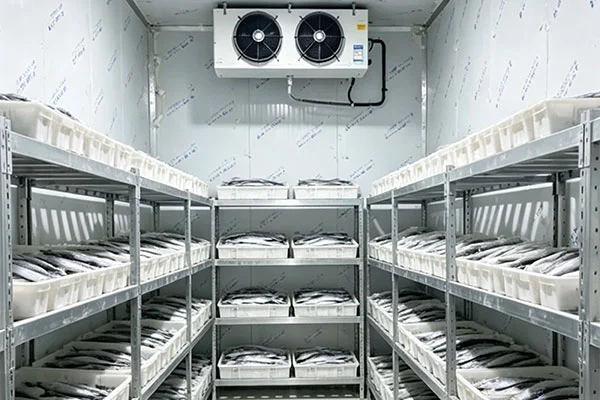
Storage temperature, room dimensions, insulation, stored products and door-opening frequency all influence the cooling load. These details should be assessed together when determining refrigeration capacity.
02
Heat Exchange and Airflow
Air circulation, heat exchange area, installation clearance and defrosting requirements affect how a refrigeration system operates. The configuration should suit the room layout and intended temperature range.
03
Building Air Conditioning
Room area, ceiling height, building use and indoor-unit location help determine the appropriate air conditioning arrangement. Air distribution and available installation space should be checked before confirming the model.
Before confirming specifications: provide the actual project conditions wherever possible. Selecting equipment by room size or horsepower alone may overlook differences in heat load, climate, insulation and operating schedule.
Technical Details to Confirm Before Ordering
Use these details to reduce mismatches between the equipment and the installation site.
Start with the Site Conditions
A suitable configuration depends on how and where the equipment will operate. For replacement projects, the existing system model and technical specifications are also important.
Sharing these details early makes it easier to review the required configuration and identify information that still needs confirmation.
Application and Capacity
Intended use, room dimensions, target temperature, cooling load and expected operating hours.
Installation Conditions
Available space, mounting position, airflow clearance, piping route and maintenance access.
Electrical Requirements
Supply voltage, phase, frequency, power availability and control requirements.
Existing System Details
For replacement or expansion, provide the current equipment model, refrigerant information and relevant nameplate specifications where available.
How to Prepare a Project Inquiry
A few practical details help clarify the equipment requirements.
STEP 01
Describe the Project
Explain whether the equipment is for a new installation, replacement or system expansion. Include the application and installation location.
STEP 02
Provide the Specifications
Share available dimensions, target temperature, cooling capacity, electrical supply and any specific installation constraints.
STEP 03
Review Compatibility
Confirm model specifications, connections, operating conditions and other technical details before finalizing the equipment configuration.
Frequently Asked Questions
What information is needed to select refrigeration room accessories?
Provide the room dimensions, required storage temperature, insulation details, stored products, ambient conditions and available power supply. If the accessories will be connected to an existing system, include the current equipment model and relevant specifications.
Can I replace a component without changing the entire refrigeration system?
This depends on the component and the existing system. Confirm the model, capacity, refrigerant, electrical requirements and connection details before selecting a replacement. Compatibility should be checked rather than assumed from appearance or dimensions alone.
How do I choose an air conditioner for a commercial or industrial building?
Consider the room area, ceiling height, occupancy, heat sources, local climate, insulation and installation layout. These factors help determine the required capacity and the appropriate indoor-unit arrangement.
What should be checked when the project uses solar power or energy storage?
Confirm the equipment's electrical specifications, power availability, expected operating schedule and compatibility with the proposed power system. The complete configuration should be reviewed against the actual project requirements.
Discuss Your Equipment Requirements
Send your application details and available technical specifications to help clarify the required configuration.
- View as
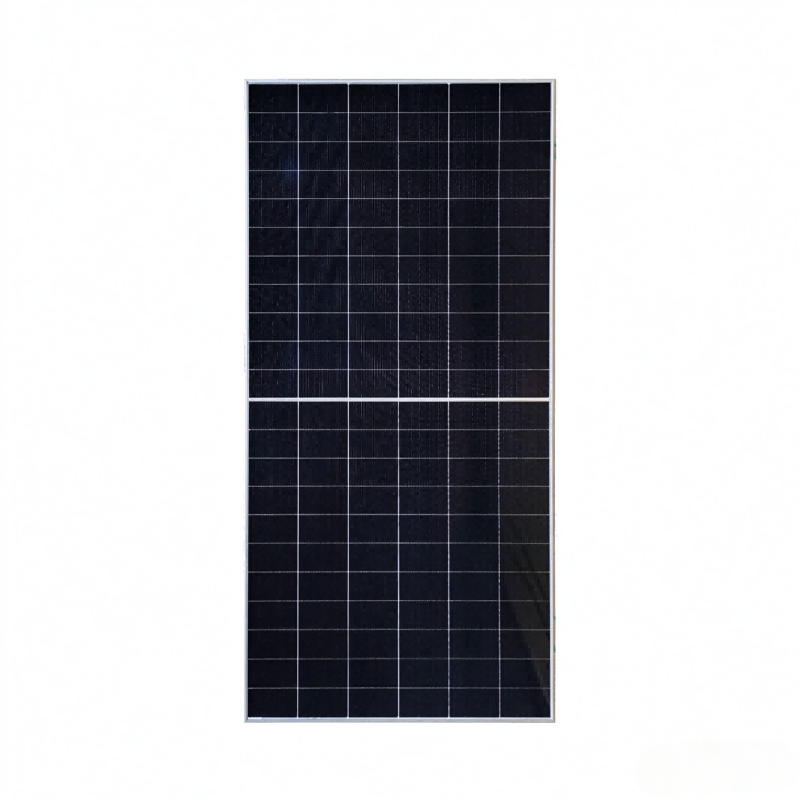
Container Refrigeration Room Solar Panel
PAULAIR supplies monocrystalline Container Refrigeration Room Solar Panel solutions for solar-powered refrigeration applications. With 15%–22% conversion efficiency, these photovoltaic modules support efficient energy collection in limited installation spaces. Contact PAULAIR to request product specifications, technical details, and a quotation for your project or bulk order.
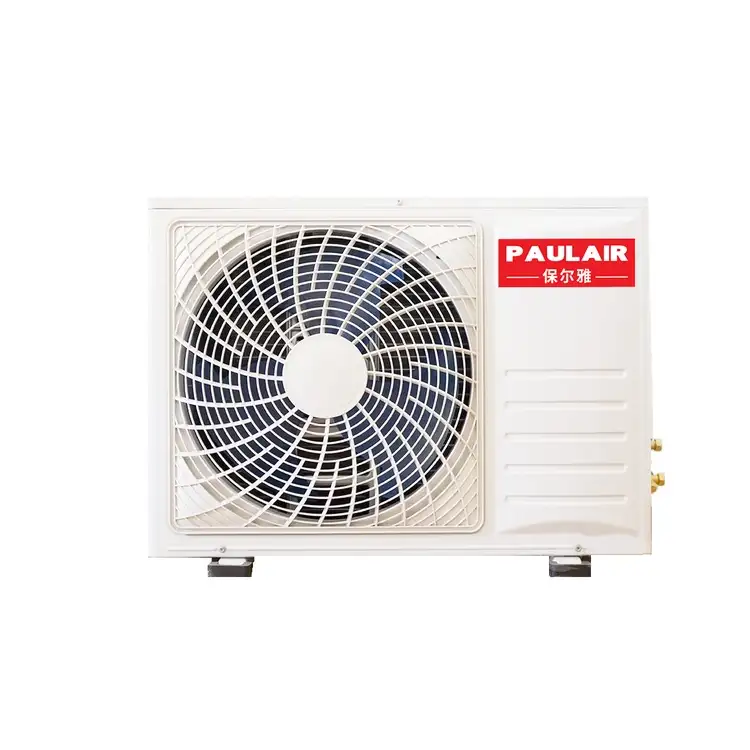
Wall Mounted Air Conditioner
Photovoltaic wall mounted air conditioners are powered by a combination of photovoltaic direct drive, energy storage, and mains electricity, and are suitable for self built houses, villas, shops, classrooms, and buildings in remote areas. The product supports wall mounted installation, with common specifications ranging from 1 to 3HP. The nominal power of each photovoltaic module is 590W. It can be configured according to room cooling needs, local sunlight conditions, and backup power requirements to help users utilize solar energy and reduce their dependence on mains electricity during the day.
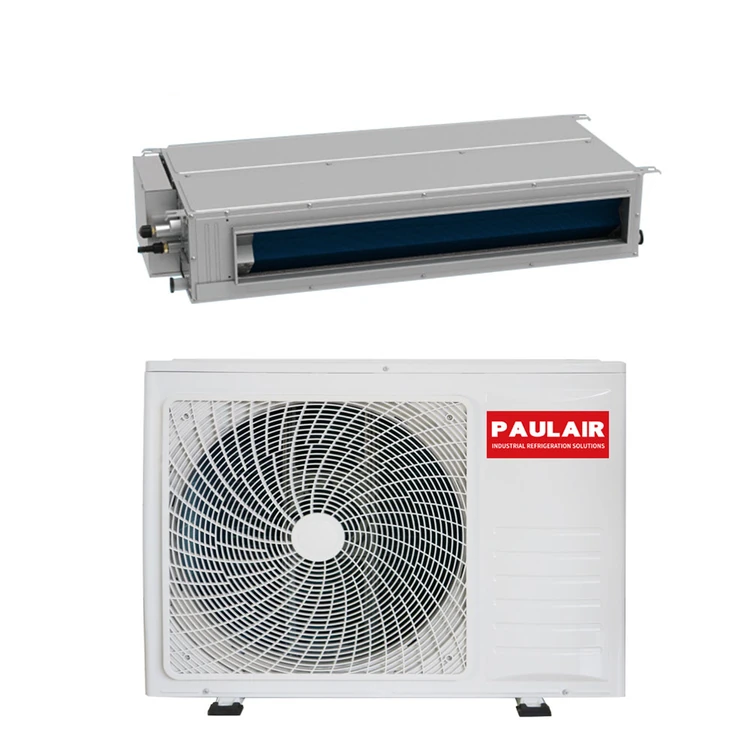
Duct Type Air Conditioner
The Duct Type Air Conditioner adopts a hidden air duct installation method, which combines the air conditioning unit with the air duct supply, and can supply air to different areas according to the spatial layout. The common specifications of the product are 1-5HP, suitable for offices, restaurants, exhibition halls, factory office areas, sorting rooms and other places. The nominal power of a single photovoltaic module is 590W, and the photovoltaic power supply plan can be planned based on the building load, operating time, and roof conditions.
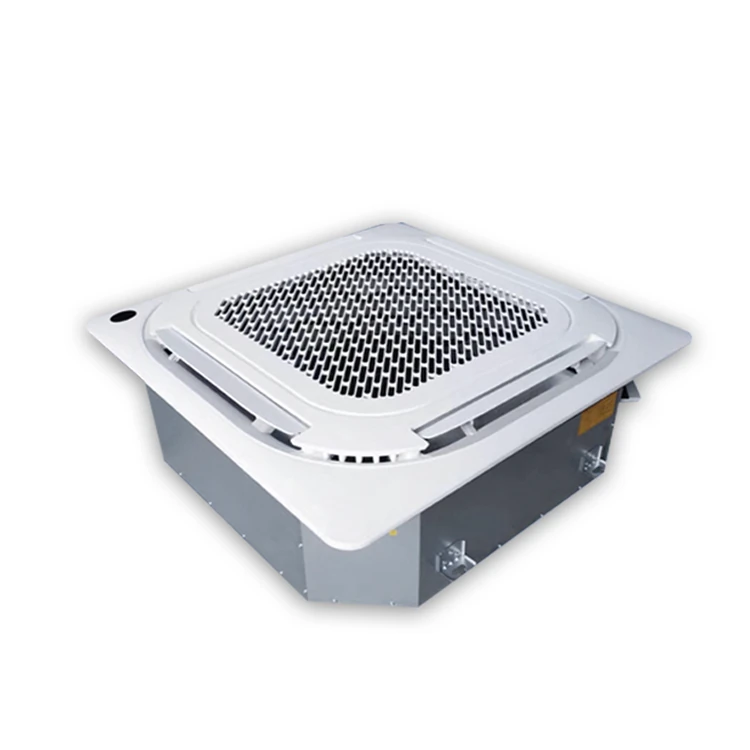
Ceiling Air Conditioner
The Paulair Solar Energy Ceiling Air Conditioner adopts a concealed ceiling design and supports four-sided or eight-sided air discharge. The common specifications range from 2 to 5 HP. It is suitable for shops, offices, meeting rooms, and office areas in factories. The product combines the photovoltaic direct drive solution and can be customized according to the cooling requirements of the building, the daytime operation time, and the conditions for photovoltaic installation, helping commercial users make rational use of solar energy and optimize the electricity cost for air conditioning operation.
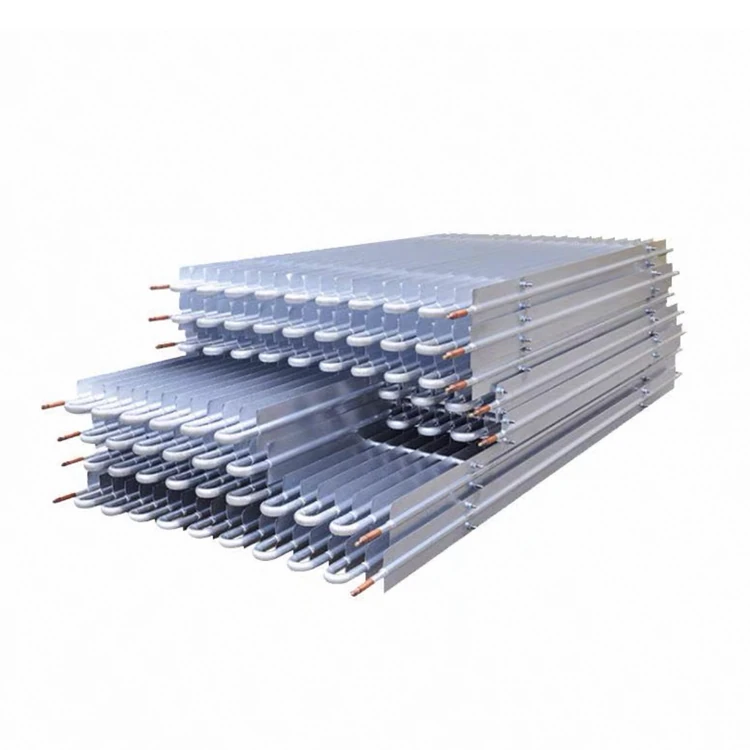
Container Refrigeration Room Aluminum Finned Tube
Container Refrigeration Room Aluminum Finned Tube fittings are suitable for scenarios such as low-temperature refrigeration warehouses, long-term storage warehouses, and food storage. They adopt natural convection for heat exchange, without the noise from fan operation, and have strong cold storage capacity and low dry consumption. Paulair can configure the heat exchange area according to the size of the cold storage, the temperature of the warehouse, and the usage requirements, and combine with the refrigeration system for project-based selection and customization.
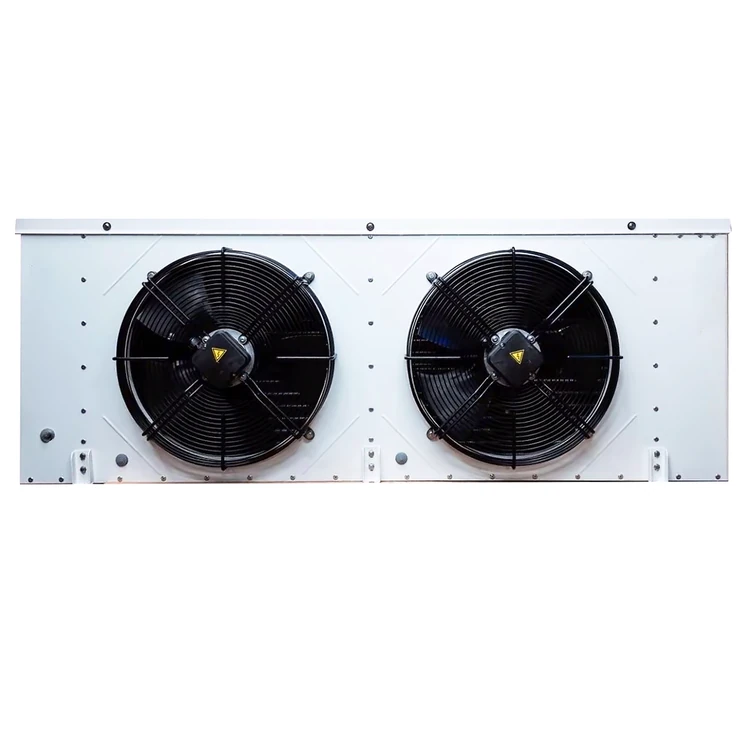
Container Refrigeration Room Air Cooler
Paulair Container Refrigeration Room Air Coolers are customizable, use forced convection for fast cooling and easy on-site installation, and offer electric or hot-gas defrost. Single-unit capacity is 1–30 kW, with 1–5 kW for small cold rooms, 5–15 kW for medium ones, and parallel units for large facilities. They suit high-turnover warehouses, distribution centers, food processing, quick-freezing and pharma cold storage.
As a reliable Container Refrigeration Accessories and HVAC manufacturer and supplier in China, we have our own factory. If you want to buy high-quality cold chain and HVAC series products, please contact us.
News Recommendations