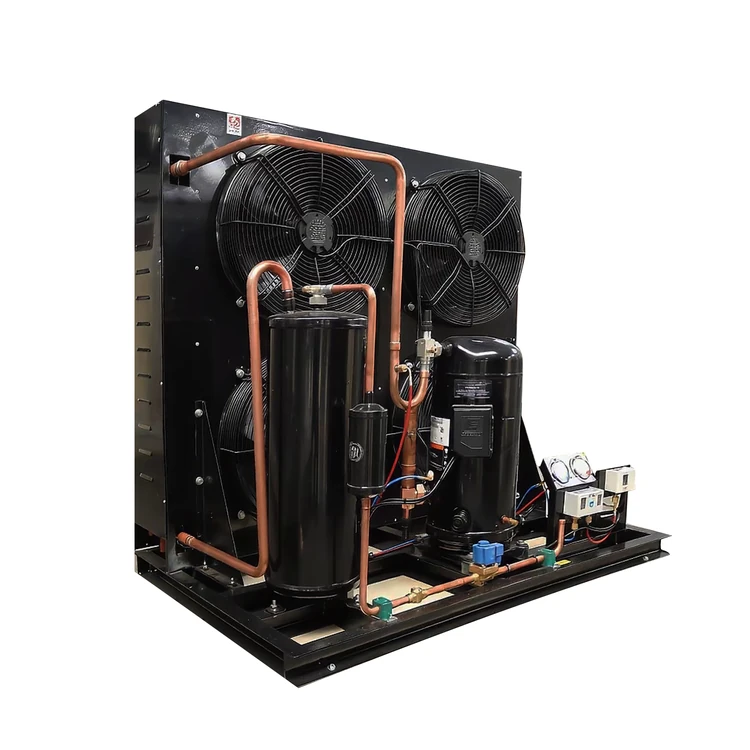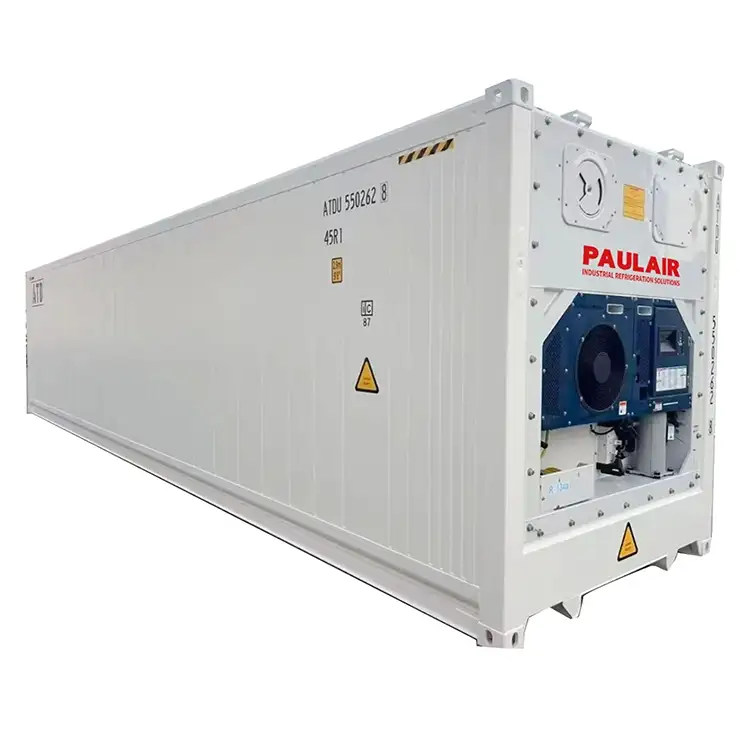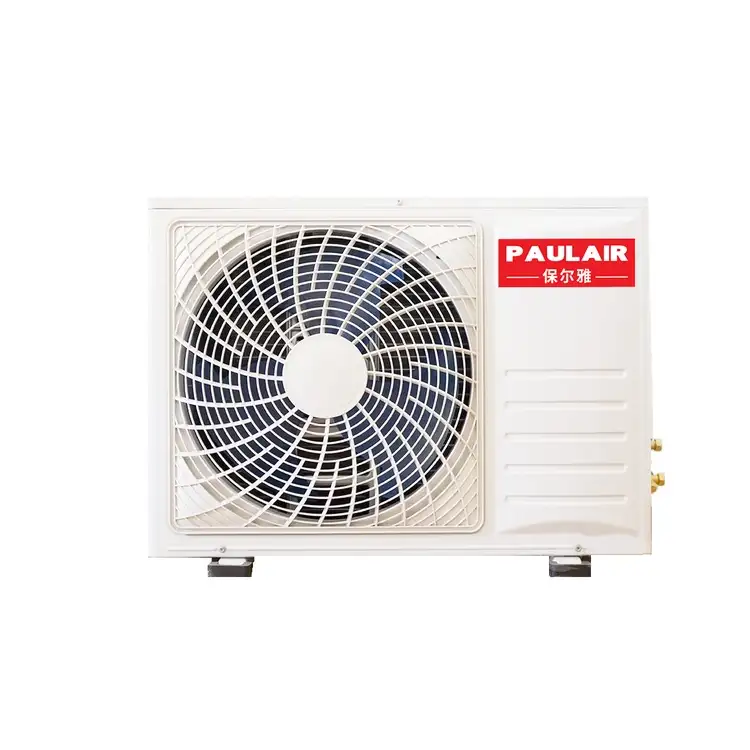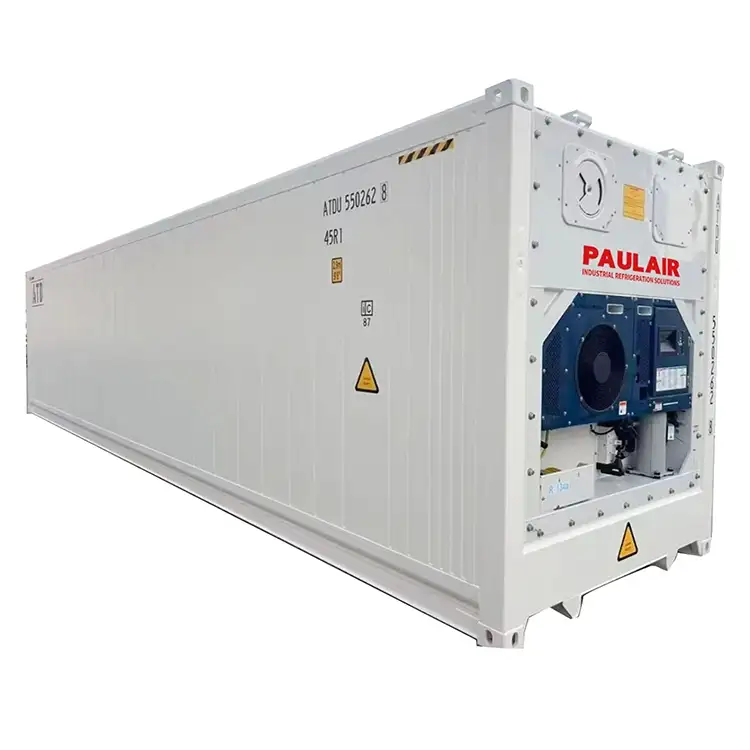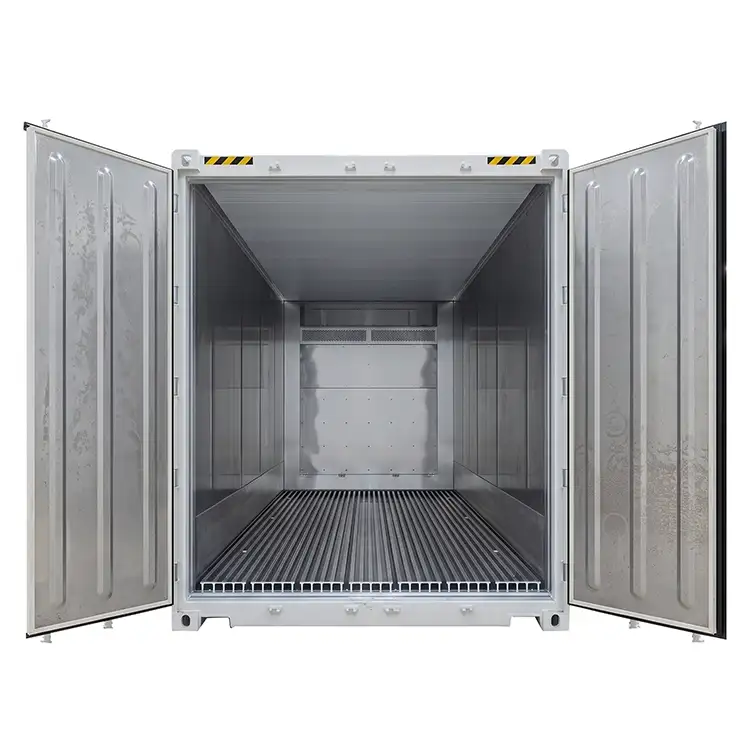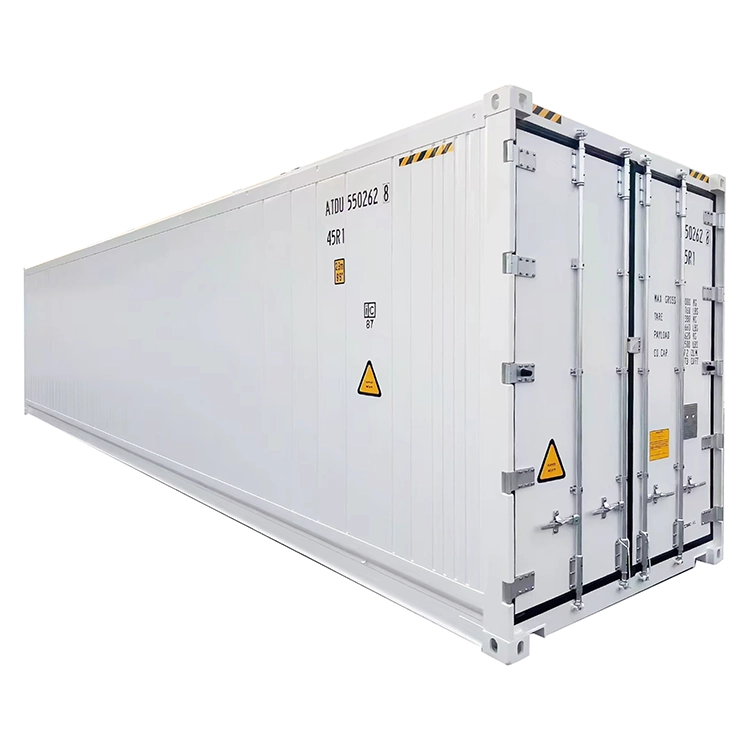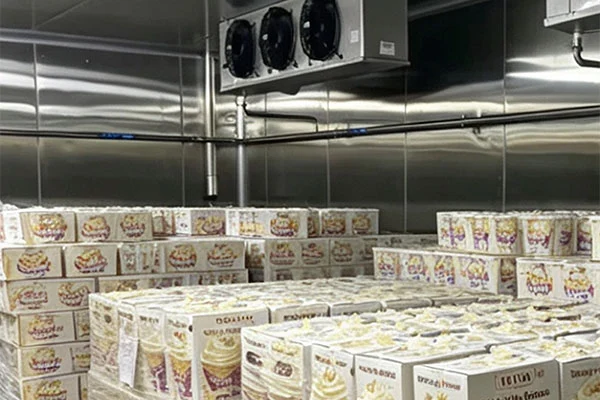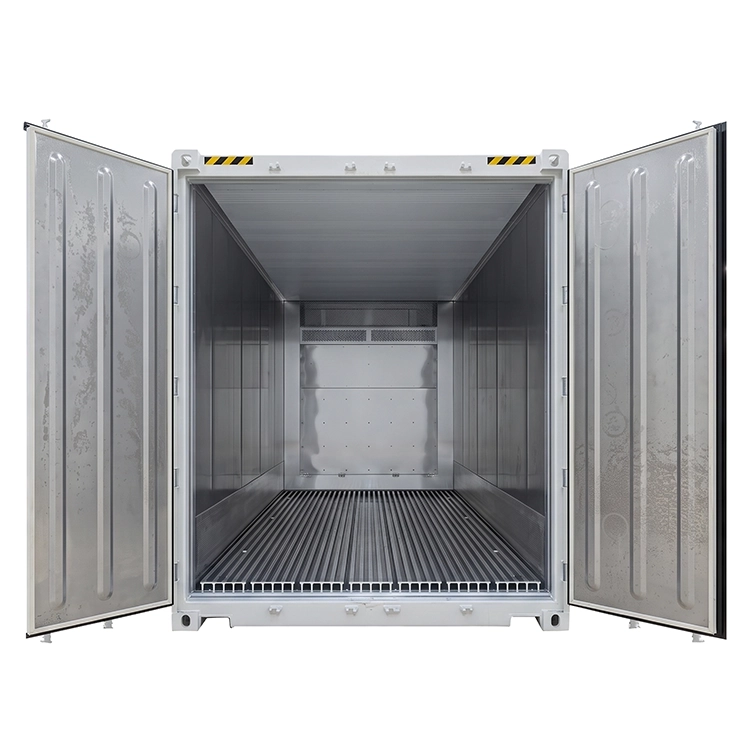

Food processing facilities, meat processors, and commercial fisheries face strict temperature management requirements. Rapid freezing is critical to preserving food quality, maintaining texture, and extending shelf life. Traditional built-in cold storage facilities often require long construction timelines, high capital expenditure, and fixed site availability. The integrated Container Blast Freezer Room from PAULAIR offers an adaptable, factory-tested solution engineered for high-volume rapid freezing.
Technical Specifications & Performance
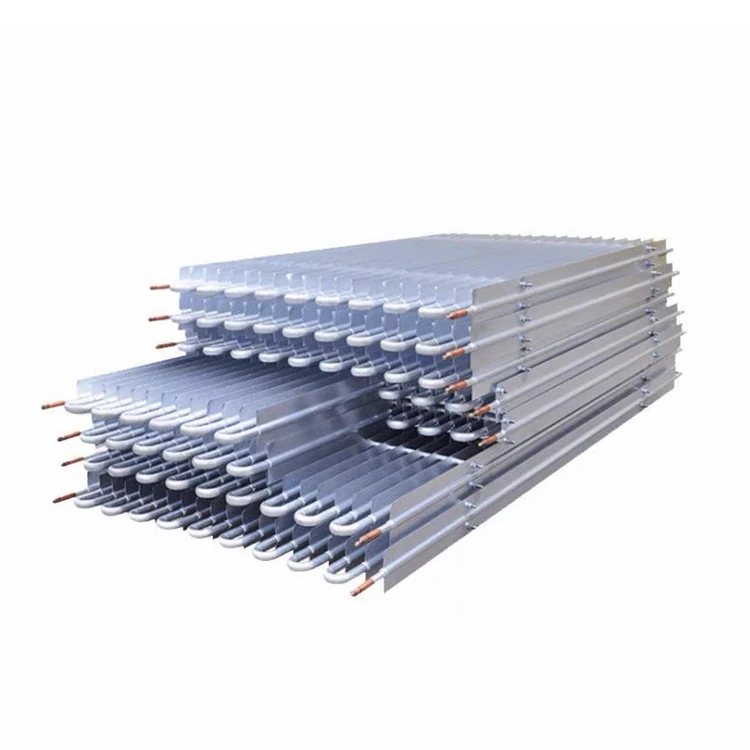
Designed for severe thermal loads and rapid temperature pull-down, the container blast freezer system integrates heavy-duty refrigeration units within a standard or customized ISO shipping container footprint.
| Parameter | Specification / Feature |
|---|---|
| Temperature Range | Target internal air temperature: -30°C to -40°C |
| Structure & Insulation | High-density polyurethane (PU) panel insulation (120mm–150mm thickness) with stainless steel or food-grade interior cladding |
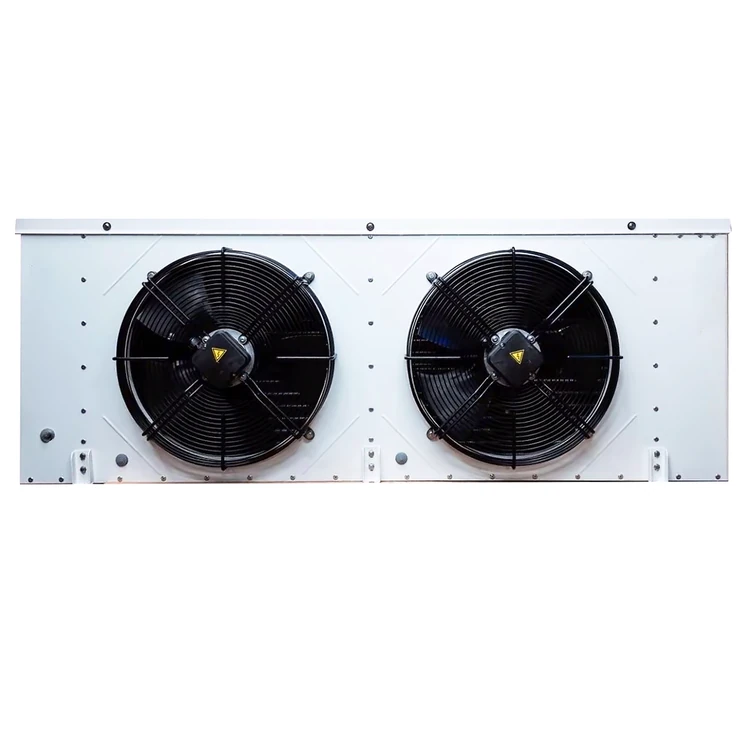
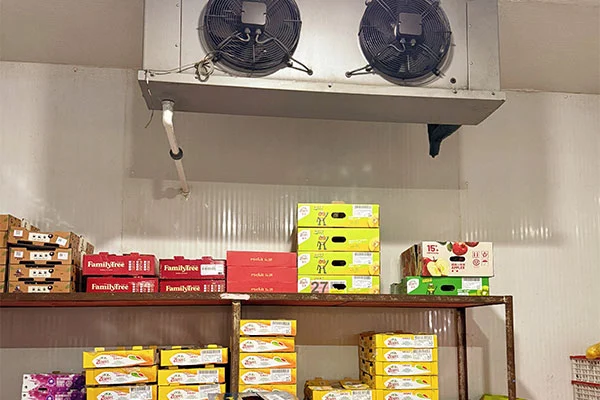
| Airflow Configuration | High-static pressure evaporator fans configured for upward or downward air supply to maximize surface thermal exchange |
| Defrosting System | Hot-gas / reheating defrost cycles to minimize temperature spikes during defrosting |
| Compressor Systems | High-efficiency variable-frequency drive (VFD) options offering 20% to 40% energy savings under partial load conditions |
| Capacity Options | Custom load designs with standard single-unit annual output capacity supporting scalable deployment |
Operational Advantages for Food Processors
1. Raw/Warm Product Entry
2. Container Blast Freezer Room Processing (-35°C High-Velocity Airflow | Rapid Phase Change | Minimal Cell Damage)
3. Frozen Product Exit (-18°C Core Temperature Achieved)
1. Rapid Freezing Prevents Quality Loss
Slow freezing creates large ice crystals inside organic tissue, damaging cell membranes and leading to drip loss upon thawing. The high-velocity airflow and ultra-low air temperatures inside the PAULAIR blast freezer drop core product temperatures rapidly through the critical zone (0°C to -5°C). This preserves cellular integrity, moisture, and original texture in poultry, seafood, pastries, and pre-cooked meals.
2. Plug-and-Play Mobility & Fast Site Integration
Unlike conventional cold storage facilities requiring civil engineering and extensive site assembly, containerized blast freezer units arrive factory-assembled, pressure-tested, and pre-commissioned.
- Reduced Civil Setup: Requires only a stable level foundation and main electrical power connection.
- Flexible Deployment: Can be placed directly adjacent to processing lines, slaughterhouses, or harvest points to eliminate transit delays.
3. Remote Monitoring with IoT Systems
Each unit can be configured with an optional IoT intelligent control system. Plant managers and maintenance teams monitor real-time operating metrics via smartphone application or desktop interface:
- Live chamber temperature and humidity tracking
- Compressor and evaporator fan operating status
- Defrost schedule management and historical trend logging
- Instant alarm notifications for voltage, pressure, or temperature deviations
Production Capacity and OEM Customization
Manufactured across dual production bases in Shandong occupying 12,000 square meters, PAULAIR operates two dedicated assembly lines with an annual capacity of 300 container cold storage units and 1,000 refrigeration systems.
All equipment undergoes factory quality control tests prior to dispatch, including:
- Refrigeration loop air-tightness testing
- Pressure and vacuum holding checks
- Electrical safety verification
- Full-load thermal pull-down performance tests
Custom configurations—such as solar power integration, custom rack dimensions, variable air velocity controls, and tailored floor loads—are available through OEM/ODM supply agreements.