

Container Cold Room for Tea
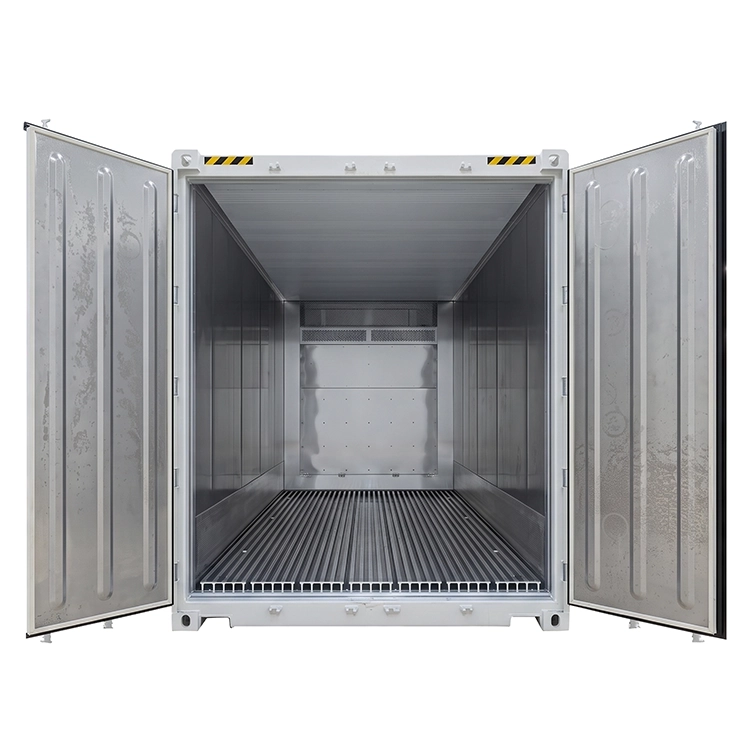
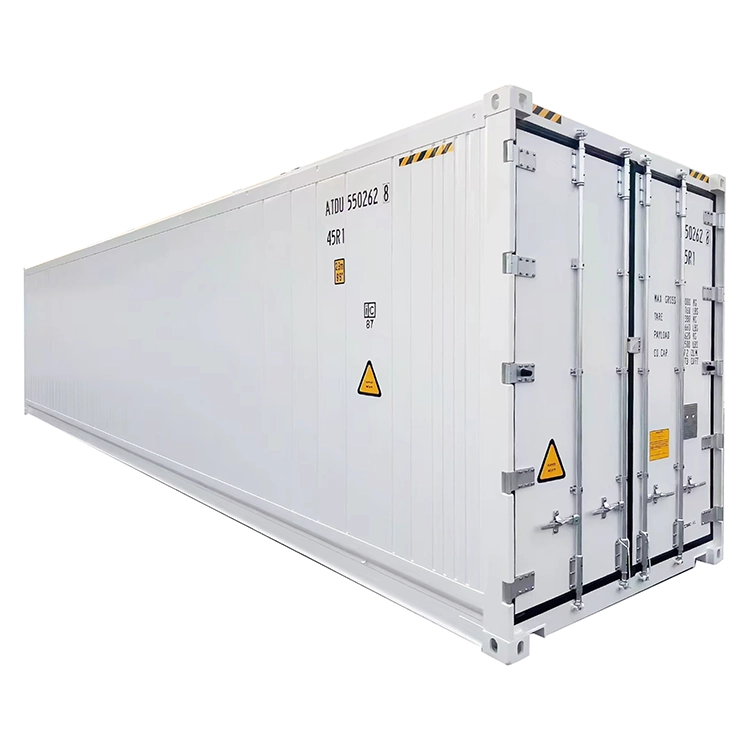
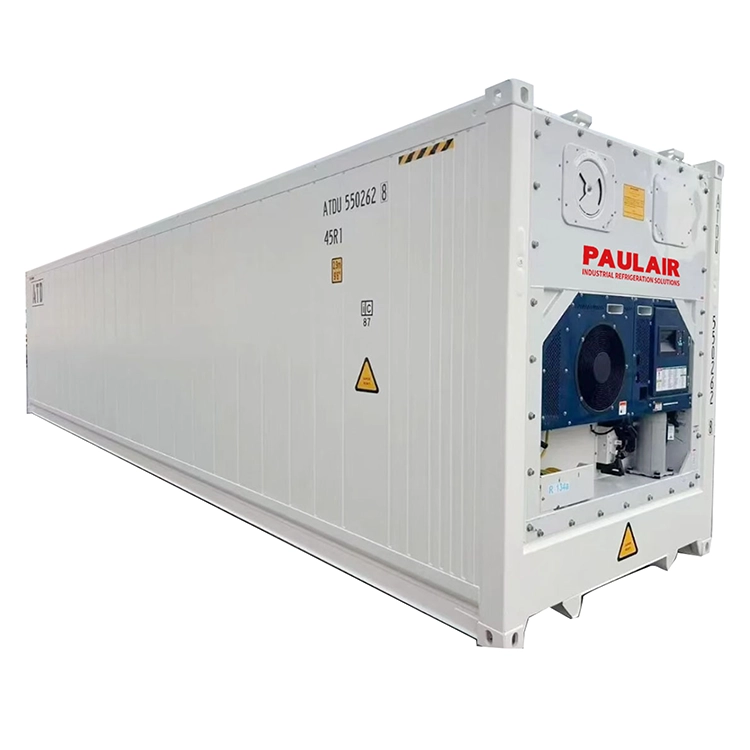
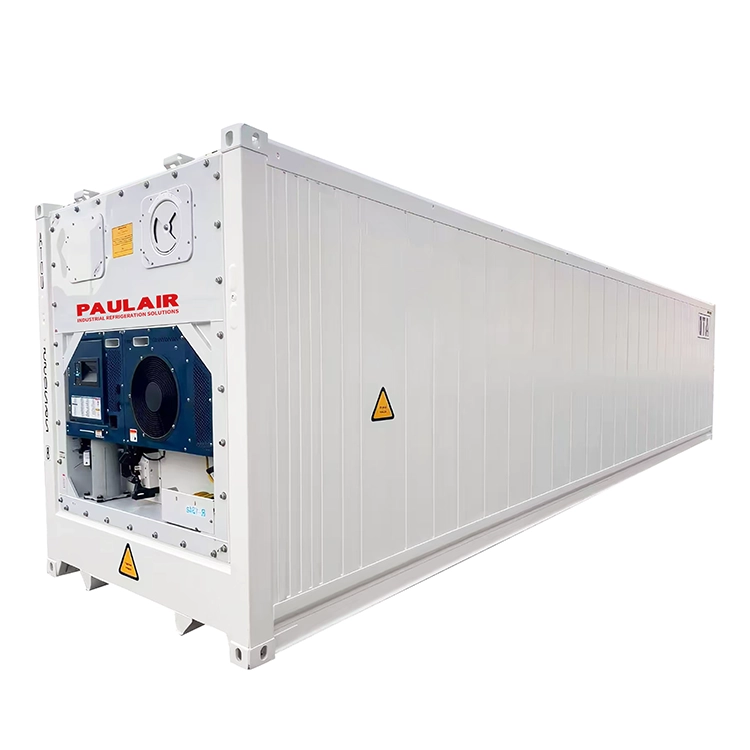
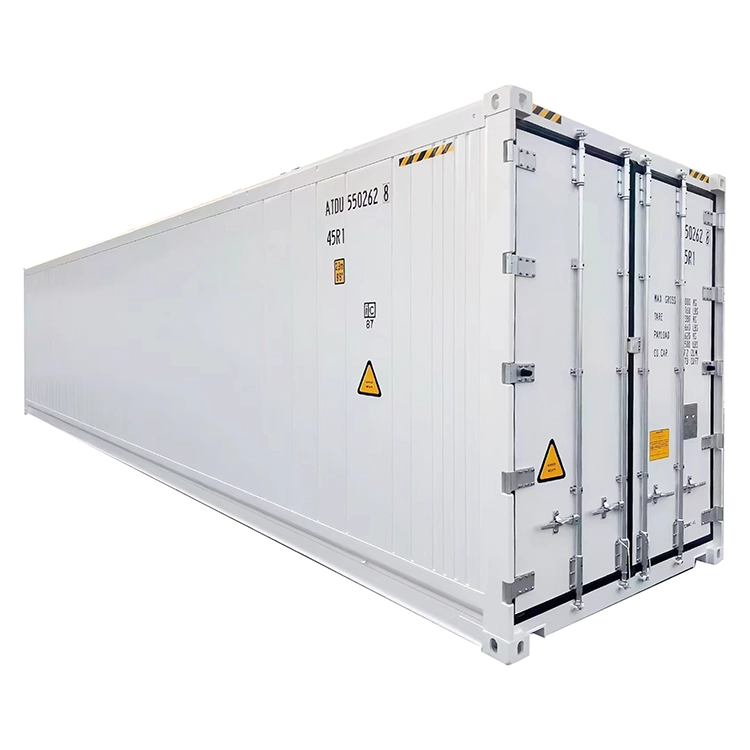
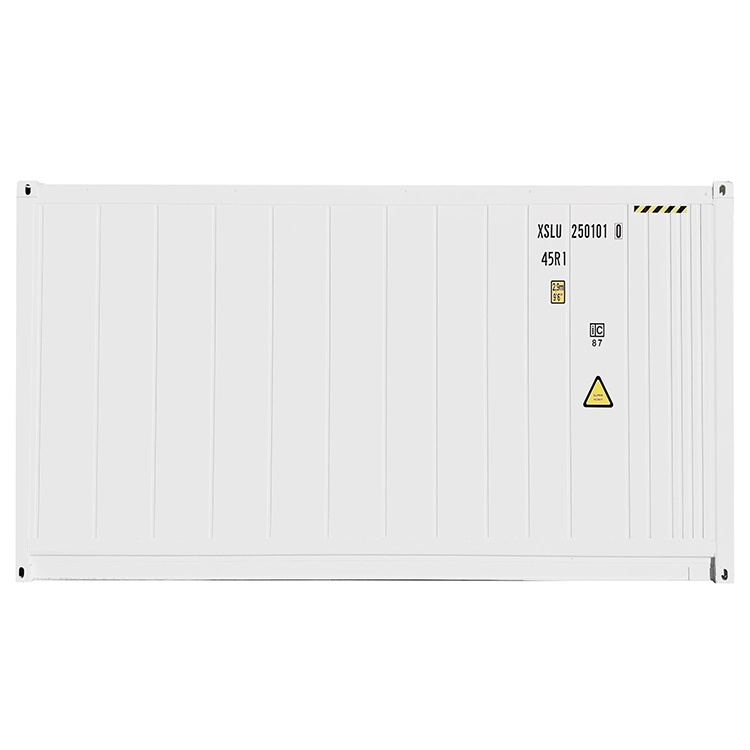
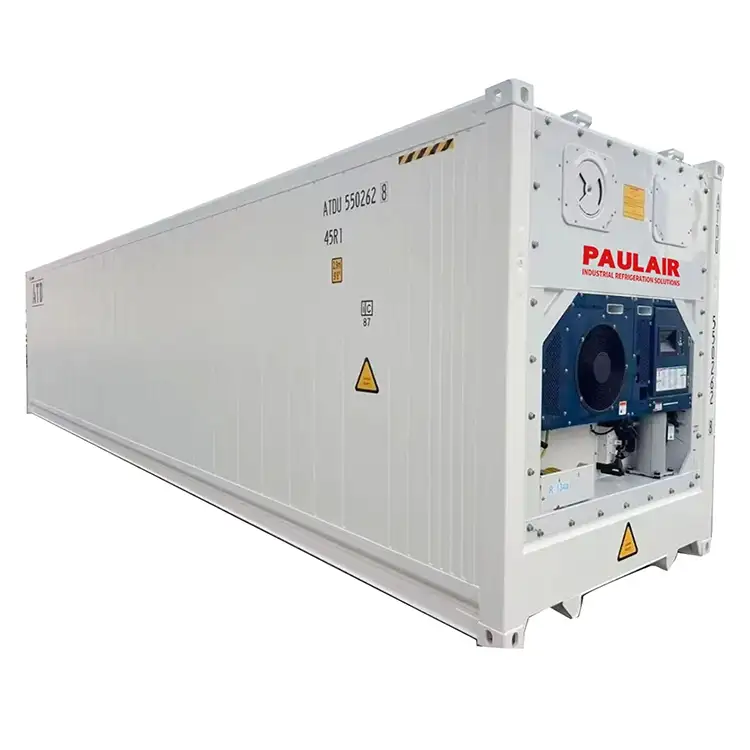
The Container Cold Room for Tea is suitable for the storage and transportation of sensitive goods such as tea and photographic films. It supports a constant temperature range of 0–15°C and humidity control between 40%–60% RH, featuring 100mm PU insulation panels and a double-sealed structure, along with PLC intelligent control. Optional features include IOT monitoring, dehumidification, light protection, nitrogen gas protection, and anti-vibration functions. Available in standard 20ft, 40ft sizes, and custom non-standard configurations.
Although tea and photographic film are different products, there is a common requirement in storage and transportation equipment: not only "temperature" needs to be controlled, but also the temperature and humidity environment around the goods. If tea is exposed to a high temperature and humidity environment for a long time, it is prone to accelerated oxidation, changes in aroma, moisture absorption, and the risk of mold. For photographic film, high temperature, humidity changes, and light may affect the long-term stability of the emulsion layer and the material. Therefore, when we developed the Container Cold Room for Tea, we designed the container body, temperature and humidity control, sealing, light protection, dehumidification, and special gas protection as a whole to ensure your sensitive cargo arrives in pristine condition.

Our equipment can cover a temperature adjustment range of 0–15℃ and a humidity adjustment range of 40%–60%. Different goods do not have exactly the same set values; instead, specific working parameters are determined based on the type of goods, storage period, and transportation conditions.

Engineering design for different goods
Tea: Low-temperature control + Moisture prevention
During the storage of tea, both temperature and humidity can affect its quality changes. For tea projects that require low-temperature storage, we can design the equipment to operate within the range of 0–5℃ to reduce the oxidation rate under higher temperature conditions. When the humidity control range is set at 50%–60%, it can reduce the chance of tea absorbing moisture from the environment. For projects that require more stringent control of environmental humidity, an additional dehumidification module can be added, combined with a sealed container structure to prevent external humid air from entering.

In terms of tea packaging, the overall design can be carried out in conjunction with aluminum foil composite bags, vacuum packaging, etc., based on the actual packaging method. The equipment is responsible for maintaining the internal environment of the box, while the packaging further reduces the direct contact between the goods and the external air, moisture, and odors.

Photosensitive film: Temperature, humidity and light protection control
The requirements for the storage environment of photographic film are different from those of tea. Therefore, the temperature and humidity parameters of tea cannot be directly applied to it. For the film project, the equipment can be designed to operate within the range of 10–15℃, and the humidity should be controlled within the range of RH 40%–60%. In addition to temperature and humidity, the interior of the container can adopt a reinforced light-proof design to reduce the impact of light on the storage environment of the goods. For long-term storage and transportation projects, more targeted temperature and humidity control and environmental isolation schemes can be configured according to the type of film and packaging method.
Core structure and function
100mm PU integral foaming insulation structure
The Container Cold Room for Tea body is made of 100mm thick high-density PU integral foaming insulation board, with a thermal conductivity of ≤ 0.024 W/(m·K). The thicker insulation layer is used to reduce heat exchange between the inside and outside of the box, enabling the temperature control system to maintain the set internal environment even when the external environment changes. For areas with high temperatures, long-distance transportation, or routes with large temperature differences between day and night, the insulation structure needs to be used in conjunction with the refrigeration system and sealing design.
Double-layer sealing reduces external environmental interference
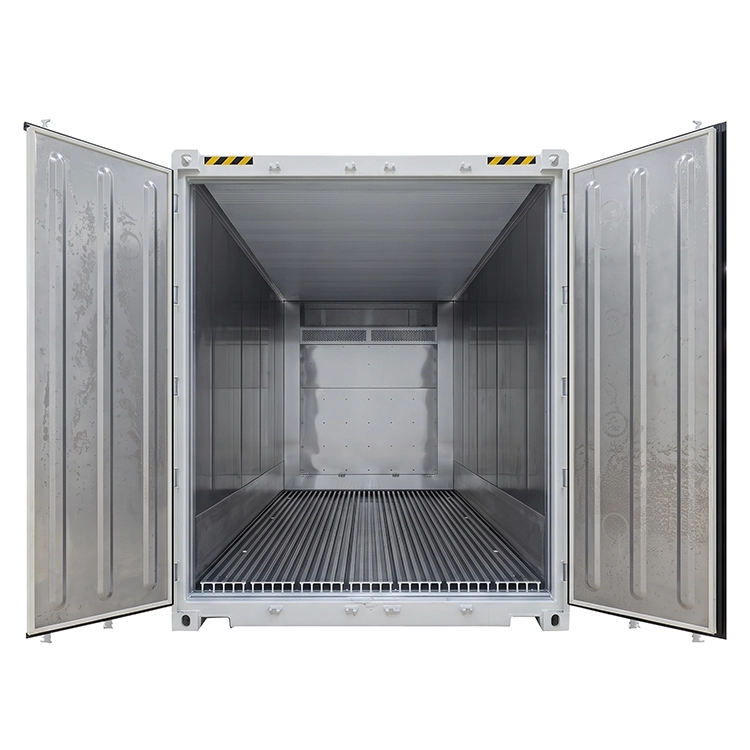
The container door adopts a double-layer sealing structure. The constant temperature equipment is not solely determined by the refrigeration unit. If the container body is not well sealed, external hot air and humid air will continuously enter, which will increase the system's operating load and also affect the humidity control. Therefore, we design the sealing structure as part of the container's temperature and humidity control system.

PLC Temperature and Humidity Dual-Control System
The equipment is equipped with a PLC intelligent microcomputer electronic control container, which can control the temperature and humidity, and integrates the following functions:
temperature control
humidity control
Automatic defrosting
fault self-diagnosis
The control system operates based on the set parameters and can also incorporate a remote monitoring module as per the project requirements.

IoT Remote Operation Monitoring
IoT is an optional configuration. After the device is connected to the network, you can view its operating status, real-time temperature and humidity data, and historical curves through a mobile phone or computer, and receive alerts in case of any abnormalities. For devices that need to be transported across regions or stored for a long time, remote monitoring can reduce the need to visit the site to check the device status.

nitrogen protection
For some long-term storage and transportation projects that are more sensitive to oxidative environments, nitrogen protection modules can be configured according to actual needs. Nitrogen protection is not a standard configuration for all tea or film projects. It requires engineering design based on the characteristics of the goods, packaging methods, storage period, and sealing conditions.
Light proof and odor isolation
The photographic film needs to avoid unnecessary light exposure, so the equipment can have an internal light-blocking reinforcement design. Tea is prone to absorbing odors from the surrounding environment. For tea-specific containers, we can combine the container sealing, cargo packaging and internal isolation solutions to reduce the entry of external odors.
Technical Parameters
| Items | Parameters |
| Temperature control range | 0–15℃ |
| Typical temperature control plan for tea | 0–5℃ |
| Films temperature control plan for tea | 10–15℃ |
| Humidity control range | RH 40%–60% |
| Tea humidity control plan | RH 50%–60% |
| Films humidity control plan | RH 40%–60% |
| insulation board | High-density PU integral foaming insulation board |
| Thickness of the insulation board | 100mm |
| heat conductivity coefficient | ≤0.024 W/(m·K) |
| Sealing structure | Double-layer sealed door |
| control system | PLC intelligent micro-computer electronic control box |
| temperature and humidity control | available |
| Automatic defrosting | available |
| fault self-diagnosis | available |
| IoT remote control | optional |
| nitrogen protection | optional |
| Light-proof design | customizable |
| Anti-odor solution | customizable |
| shock proof and absorption | customizable |
| standard size | 20ft / 40ft |
| Non-standard size | available |
| Continuous operation test | 72 hours |
| Air tightness test | available |
| Water tightness test | available |
| CFD Air flow analysis | available |
Airflow and Temperature & Humidity Control Inside the Container
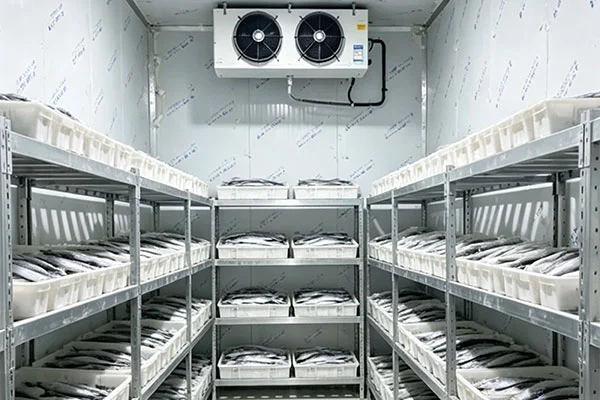
For the constant-temperature and moisture-proof container cold storage, reaching the set temperature is only the first step. After loading the goods, the cartons, pallets and stacks will change the air flow inside the container cold storage. If the cold air cannot be fully circulated, temperature differences may form in different parts of the container. Therefore, in the project design, we can use CFD fluid simulation + actual equipment testing to analyze the air flow organization inside the container. Based on the loading method of the goods, we can adjust the air ducts and air supply structure. The focus is not simply increasing the air volume, but making the air form a reasonable circulation under the actual loading conditions, reducing local hotspots and areas with insufficient air circulation.

Factory testing and quality control
72-hour continuous operation test
After the equipment is manufactured, a 72-hour continuous operation test is conducted. The test simulates continuous operation and conditions with significant temperature differences both inside and outside the equipment. The test is used to check the performance of the temperature control system, dehumidification system, and control system during continuous operation.
Air tightness and water tightness test
Perform air-tightness and water-tightness tests on the container body and sealing structure. These tests directly affect the entry of external air and moisture into the container, as well as the insulation performance of the container. Therefore, they are important inspection items in the manufacturing of constant-temperature and moisture-proof containers.
CFD simulation and experimental verification
For projects that require uniform temperature control within the control container, we conducted CFD simulation analysis of the air flow inside the container, and then carried out tests with the actual equipment. By combining simulation and actual measurement, we adjusted the air ducts, the air supply positions, and the airflow organization after the goods were loaded.

Standard specifications and engineering customization
We offer 20ft and 40ft temperature-controlled and moisture-proof container cold storage. Additionally, we can conduct customized designs based on specific projects. The configurable items include:
| Customized items | optional plans |
| temperature | Set according to the project within the range of 0 - 15℃ |
| humidity | Set within the range of 40% to 60% RH for each project. |
| dehumidification | Standard/Enhanced Dehumidification Solution |
| Light Protection | tandard/Enhanced Light Protection Design |
| sealing | Double-layer sealing and project reinforcement |
| nitrogen protection | optional |
| IoT | Remote monitoring of mobile phones/computers |
| Shock proof | Buffer and cargo protection structure |
| container cold storage specification | 20ft / 40ft / non-standard |
| airflow | CFD Analysis and actual testing |
| internal structure | Designed based on the method of cargo loading |
Applications
Tea storage and transportation at constant temperature
Suitable for tea processing, storage and cross-regional transportation. It can reduce the impact of high temperature and high humidity environments on the storage condition of tea through temperature and humidity control.
Storage and transportation of photographic film
It is used for the transportation and temporary storage of products such as photographic films that require protection from light and temperature/humidity control. Through temperature control, humidity control and the design of a light-protective container, a relatively stable storage and transportation environment is maintained.
Cross-border and long-distance transportation
The 20ft and 40ft container specifications are suitable for cross-regional logistics scenarios such as maritime and land transportation. For projects with longer transportation times, IoT remote monitoring and special environmental protection configurations can be added.
Temporary constant-temperature storage facility
The equipment can also serve as a mobile temperature-controlled space, used for warehouse expansion, logistics transfer and distribution nodes. Without the need to build a fixed cold storage, an independent temperature and humidity control space can be formed.

Manufacturer engineering services & Procurement Guide
We offer a complete range of services from project design, equipment manufacturing, installation and commissioning to after-sales technical support. At the project initiation stage, the equipment configuration is determined based on the type of goods, storage temperature, humidity requirements, transportation environment and loading method. After entering the manufacturing stage, the integration of the container, insulation, sealing, refrigeration, dehumidification and control systems is completed. After the equipment installation is completed, we provide commissioning and usage guidance, along with product manuals.
In terms of after-sales service, the company arranges authorized service agents in different regions to handle on-site technical issues; for technical malfunctions that require prompt resolution, the company's technicians can provide remote technical guidance and debugging support.

Pre-sale and after-sale services
Pre-sale demand analysis
When customers make inquiries, we will focus on confirming information such as product types, packaging methods, single batch weight, target temperature, storage temperature, transportation time, operating regions, and whether remote monitoring is required. These parameters directly affect the cooling capacity, container structure and internal loading design. Therefore, confirming these details in advance can reduce the time for making subsequent modifications.
Certificates:


FAQ
Can tea and photographic film be stored in the same set of temperature-controlled container cold storage?
The same equipment platform can be adopted, but it is not recommended to directly use the same temperature and humidity settings. The storage requirements for tea and photosensitive film are different, and the operating parameters and functional configurations need to be determined separately according to the specific goods.
What temperature is generally adopted for the Container Cold Room for Tea?
According to the provided plan, the tea project can be operated within the temperature range of 0 to 5 degrees Celsius. The specific settings need to be determined based on the type of tea, packaging, and storage conditions.
How should the temperature and humidity be set for the photographic film?
The provided design range is 10–15℃ and RH 40%–60%. The actual operating parameters should be determined based on the type of film, packaging method and storage period.
Can the equipment control the humidity?
Yes. The equipment supports dual control of temperature and humidity. The designed humidity adjustment range is from 40% to 60% RH. Additionally, enhanced dehumidification configurations can be added according to the project requirements.
Can the nitrogen filling function be added?
Yes. Nitrogen protection is a customized configuration that can be designed based on the characteristics of the goods, storage time, and packaging sealing conditions.
Does the equipment support 20ft and 40ft?
Yes. We offer 20ft and 40ft specifications, and can also customize non-standard sizes and internal structures.
Is it possible to remotely monitor the operating status of the container?
Yes. The IoT module is an optional configuration. It supports viewing real-time operation data, historical curves, and abnormal alarms through mobile phones or computers.
Send Inquiry
Contact Info
-
Address
Xinyuan Avenue, Sangzidian Subdistrict, Tianqiao Borough, Jinan City, Shandong Province, China
-
Tel
-
Submit your project specifications to receive tailored guidance, technical drawings, and cheap factory-direct wholesale pricing from our engineering team today.
Related Products
News Recommendations