
Fresh food supply chains have changed faster than most cold storage infrastructure. E-commerce orders arrive in smaller batches and shorter cycles, cross-border trade moves perishable goods across longer distances, and consumers expect consistent quality from origin to shelf. For producers, distributors and logistics providers, the bottleneck is often not the refrigerated truck but the first and last storage points: the origin collection point, the distribution hub and the temporary holding area.
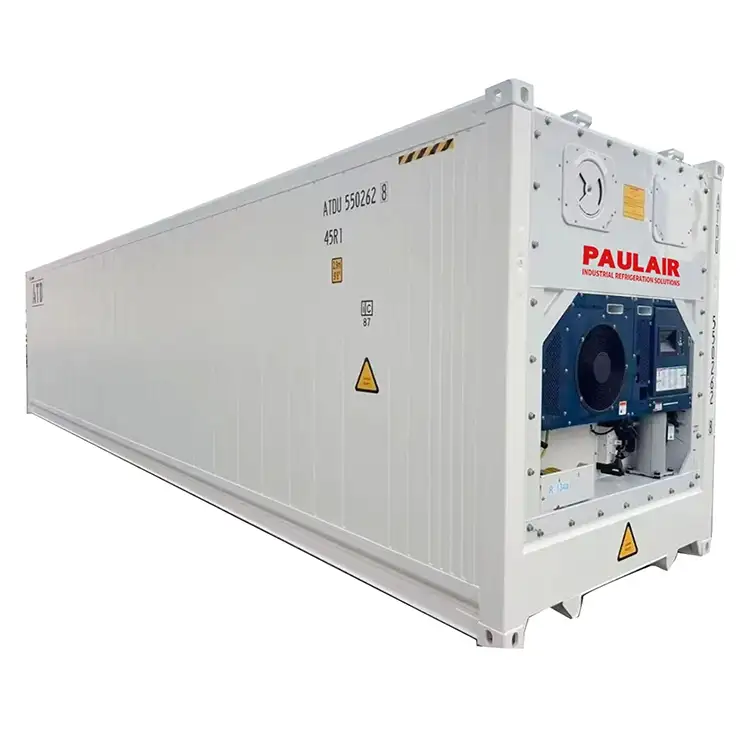
Container cold rooms address this gap because they can be positioned close to the harvest, processing or transfer point without permanent construction. But a container cold room is only useful if it is configured for the specific product, climate and handling pattern it will face. This article outlines the practical factors that determine whether a container cold room supports a fresh supply chain or becomes an expensive holding box.
Why Fresh Supply Chains Are Moving Toward Modular Cold Storage
Traditional cold storage construction follows a predictable sequence: site selection, civil works, panel installation, refrigeration commissioning and final inspection. The timeline is measured in months, and the facility is fixed once built. For fresh produce, the harvest window does not wait for construction schedules.
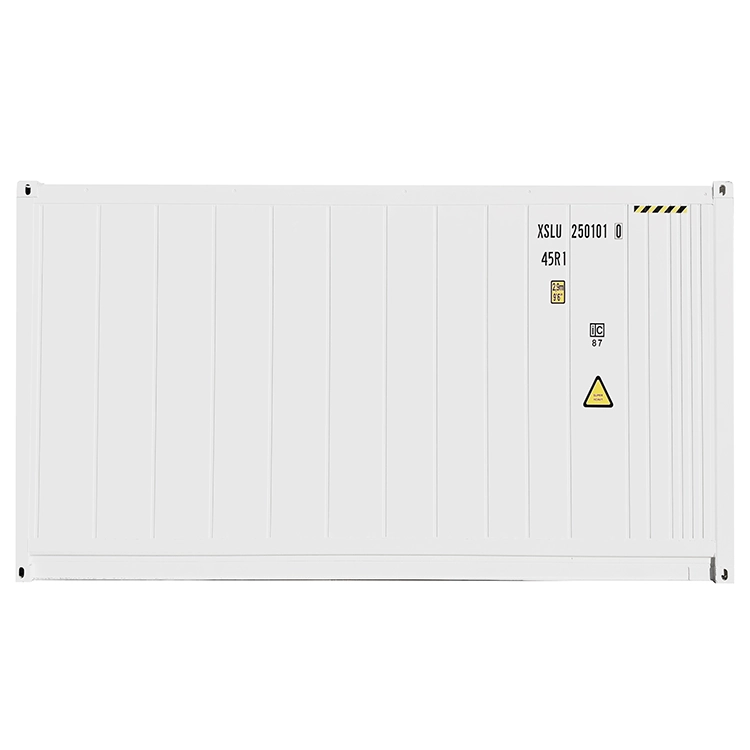
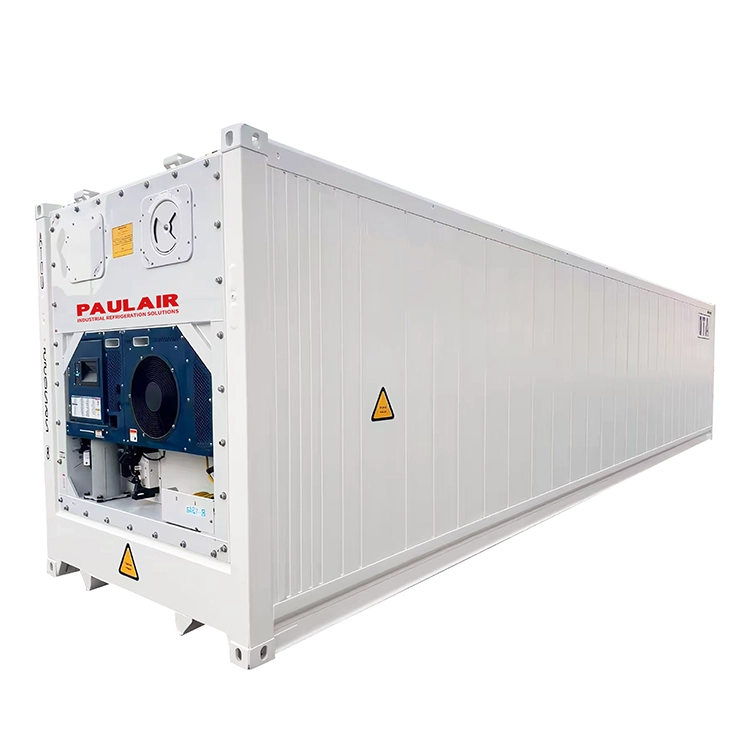
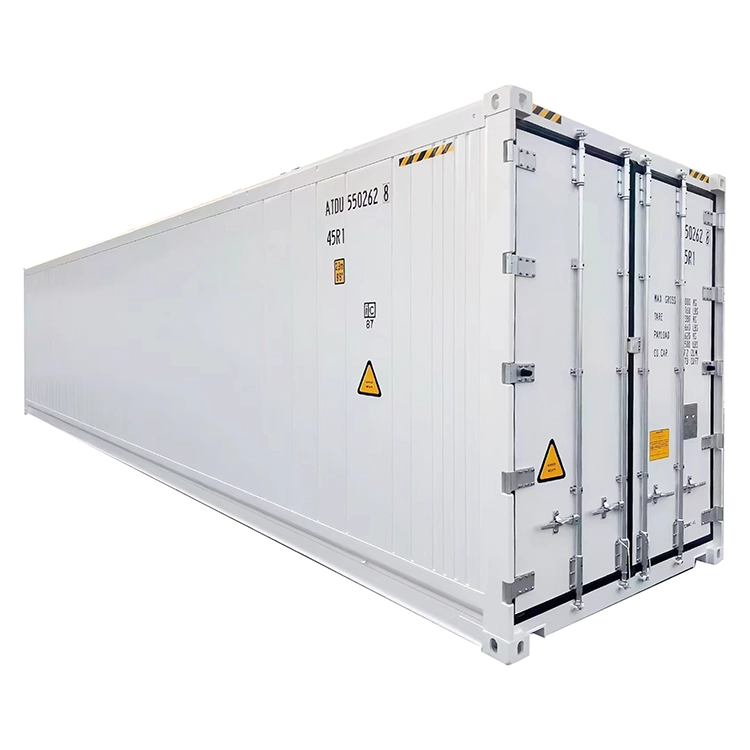
Container cold rooms are factory-assembled, tested and pre-commissioned before dispatch. On site, the main requirements are a level foundation, power connection and commissioning. This allows capacity to be added at the point where it is needed, and it also allows capacity to be relocated when harvest seasons or distribution routes change.
Pre-Cooling: The Step That Decides Shelf Life
Many fresh supply chain losses occur before the product reaches the cold room. Field heat is the heat stored in produce at the moment of harvest, and removing it quickly is one of the most effective ways to extend shelf life. A cold room designed for storage may not have enough capacity to pull down warm produce quickly, especially during peak harvest.
| Product Category | Typical Storage Range | Key Design Consideration |
|---|---|---|
| Green vegetables | 0°C to 5°C, 90%–95% RH | High humidity, gentle airflow, rapid pre-cooling |
| Temperate fruits | -1°C to 4°C | Multi-zone control, ethylene management |
| Tropical fruits | 10°C to 15°C | Chilling injury avoidance, dehumidification |
| Flowers and plants | 2°C to 15°C | Ethylene scrubbing, humidity control |
| Dairy and eggs | 2°C to 8°C | Temperature stability, hygiene and cleaning access |
Multi-Temperature and Airflow Design
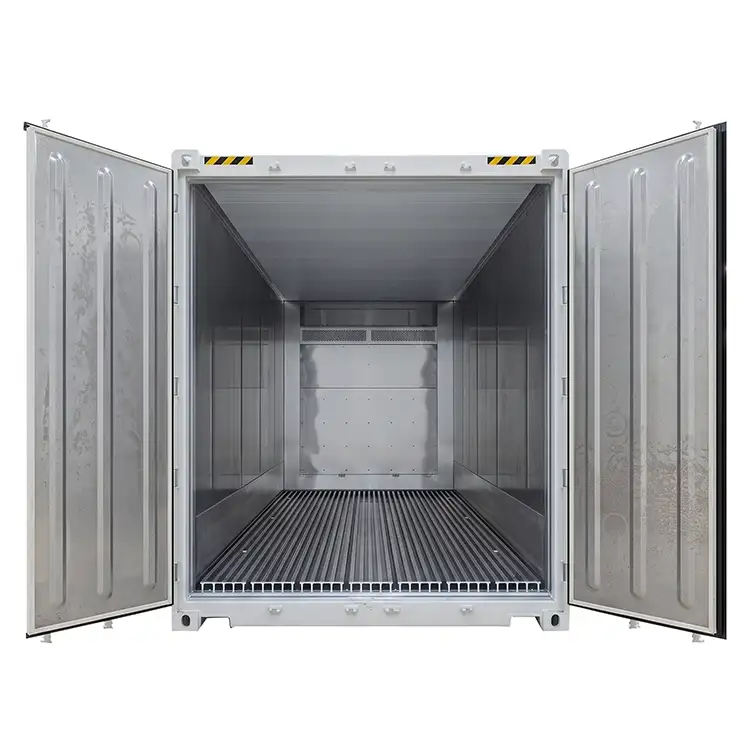
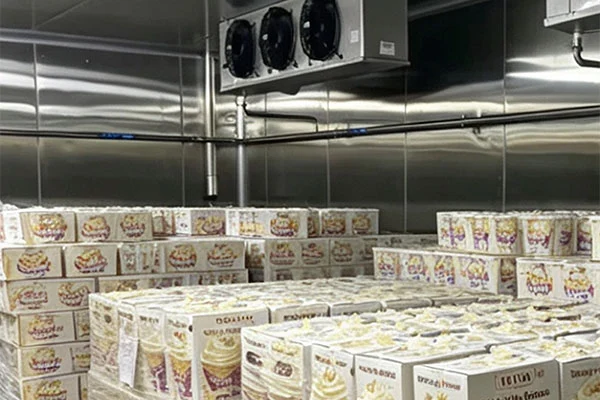
Fresh supply chains rarely handle a single product at a single temperature. A distribution hub may need to hold leafy greens, tropical fruit and dairy at the same time. Multi-temperature container cold rooms use partitioned zones and independent airflow paths to maintain different set points within one container footprint. This is a structural and control design decision, not an add-on, and it should be defined before the container is manufactured.
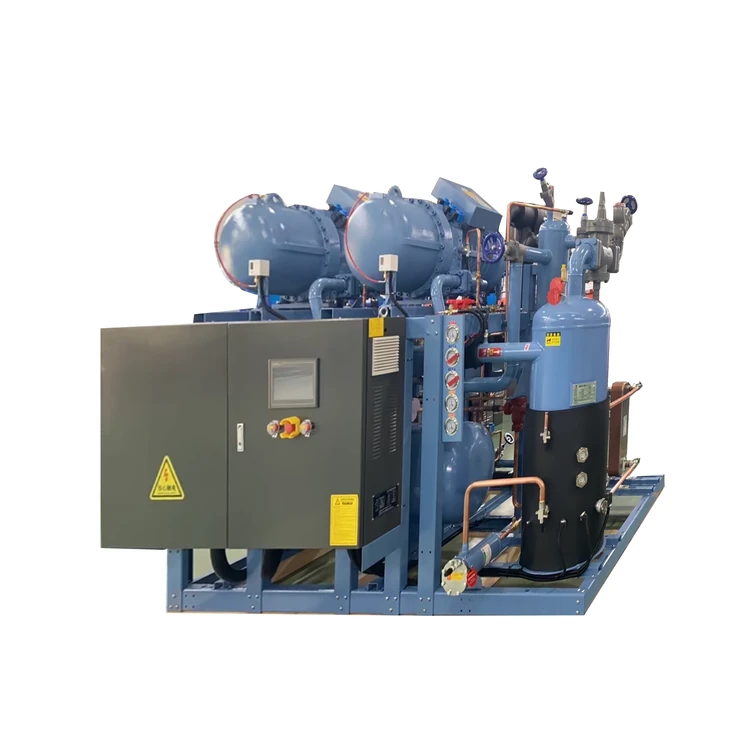
Airflow organization matters as much as temperature set point. Produce stacked too tightly, or placed directly against the evaporator outlet, can experience uneven cooling and chilling injury. PAULAIR configures evaporator fan arrangements and air supply directions based on product packaging, stacking pattern and loading method.
If the container cold room will be used for both pre-cooling and storage, confirm the required pull-down time with the supplier. Pre-cooling capacity is typically higher than storage capacity and affects compressor selection, evaporator size and airflow design.
Power, Solar and Remote Monitoring
Fresh supply chain projects are often located where grid power is unreliable or expensive. PAULAIR offers optional solar power generation and energy storage systems for container cold rooms. These are configured according to local sunlight conditions, equipment power and required backup duration, rather than as a standard package.
Remote monitoring is another practical requirement for distributed cold storage. PLC-based control with optional IoT monitoring allows operators to track temperature, humidity, defrost status and alarm conditions from a phone or desktop interface. For projects with multiple container cold rooms across different sites, this reduces the need for on-site attendance and shortens response time when a deviation occurs.
Deployment Speed and Site Requirements
Container cold rooms require less site preparation than permanent construction, but they still need a level, load-bearing foundation and a power supply sized to the refrigeration unit. Lifting equipment is required for positioning, and clearance around the condensing unit is needed for airflow and maintenance access.
PAULAIR manufactures container cold rooms at two production bases in Shandong, with a total factory area of 12,000 square meters and annual capacity of about 300 container cold storages. Units undergo air-tightness testing, pressure testing, electrical safety verification and temperature performance testing before dispatch. Standard warranty is one year with 48-hour after-sales response, and OEM/ODM configuration is available for projects requiring specific dimensions, panel materials or control integration.
For fresh supply chain projects, the most useful first step is to define the product mix, expected daily throughput, incoming product temperature and site power conditions. These parameters can be submitted through the inquiry page, or reviewed alongside the Container Cold Room product range.