
In the meat, seafood and frozen food industries, low-temperature storage is not a single set point but a range of operating conditions. A container freezer room that holds -18°C on paper may struggle when warm product enters in large batches, when doors open frequently, or when summer ambient temperatures push the condensing unit beyond its comfort zone. For processors and distributors, the practical question is not whether a unit can reach a target temperature, but whether it can hold that temperature consistently under real loading patterns.
PAULAIR container freezer rooms are configured around three inputs that determine actual performance: product load per batch, incoming product temperature and daily turnover. This article explains how those inputs translate into equipment selection, defrost strategy and long-term operating cost.
What Low-Temperature Storage Actually Requires
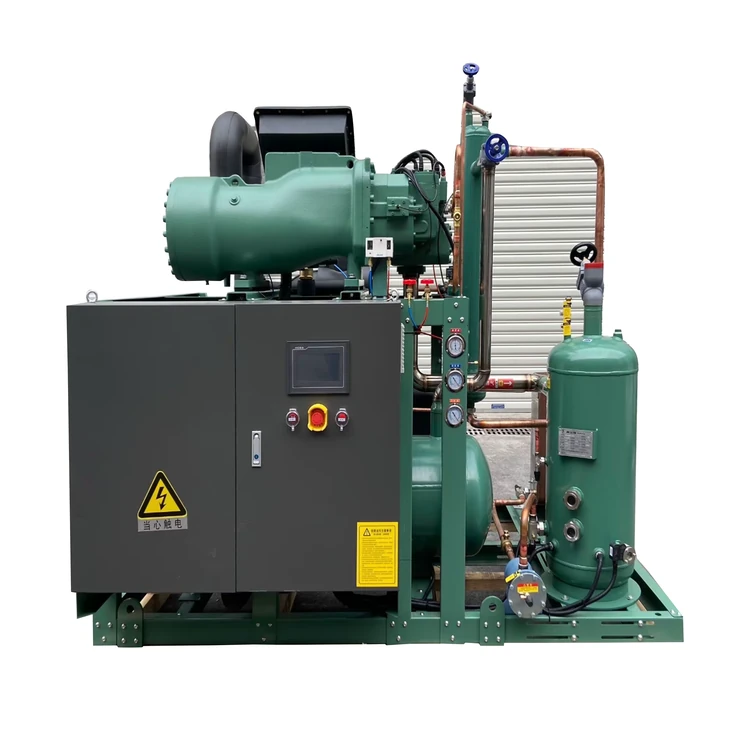
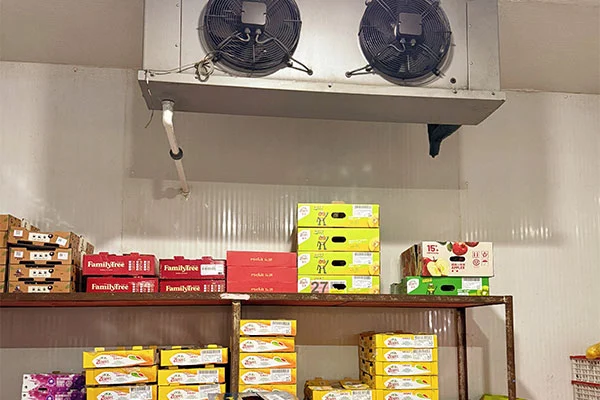
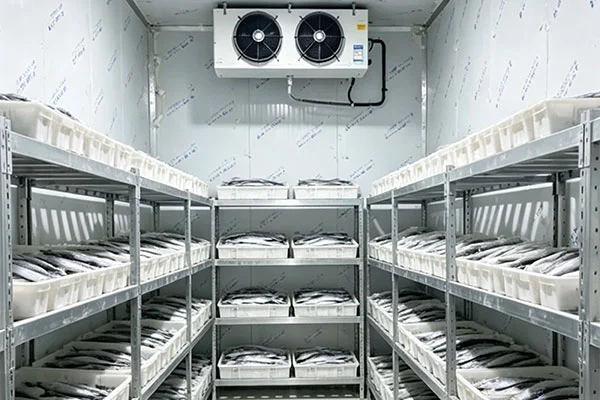
Frozen storage typically operates between -18°C and -25°C, with some seafood and ice cream applications requiring lower temperatures. At these levels, the refrigeration system must manage three loads simultaneously: transmission load through the insulated panels, product load from incoming goods, and infiltration load from door openings and air exchange.
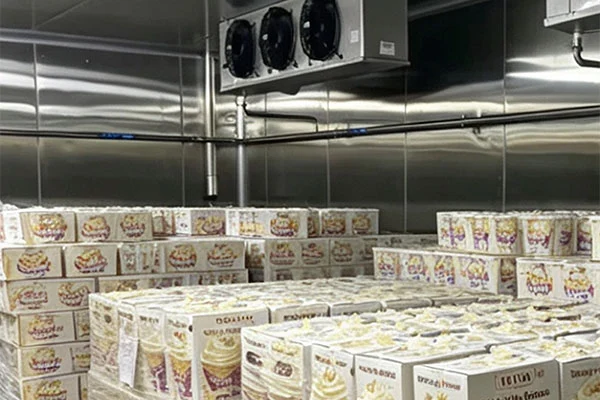
Product load is often underestimated. A batch of warm product entering a -20°C room carries a large sensible and latent heat load. If the unit is sized only for steady-state holding, the room temperature may rise significantly during loading and take hours to recover. This temperature cycling is exactly what frozen food quality programs aim to avoid.
Matching Capacity to Load, Not Just Room Volume
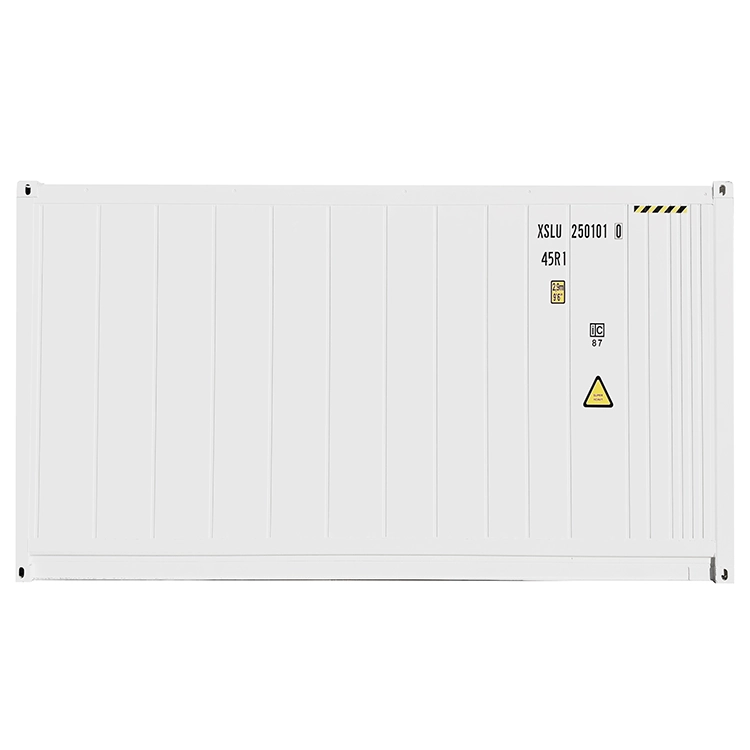
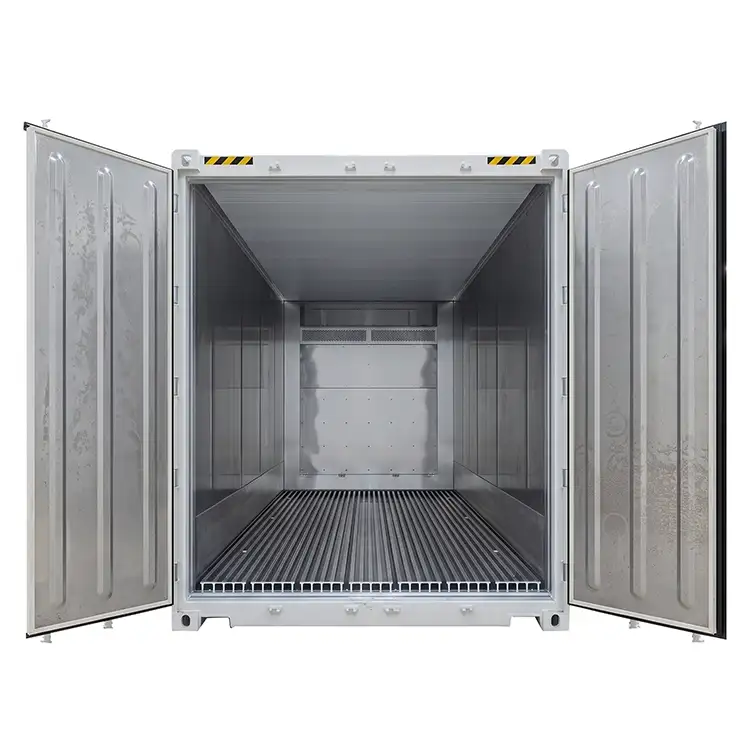
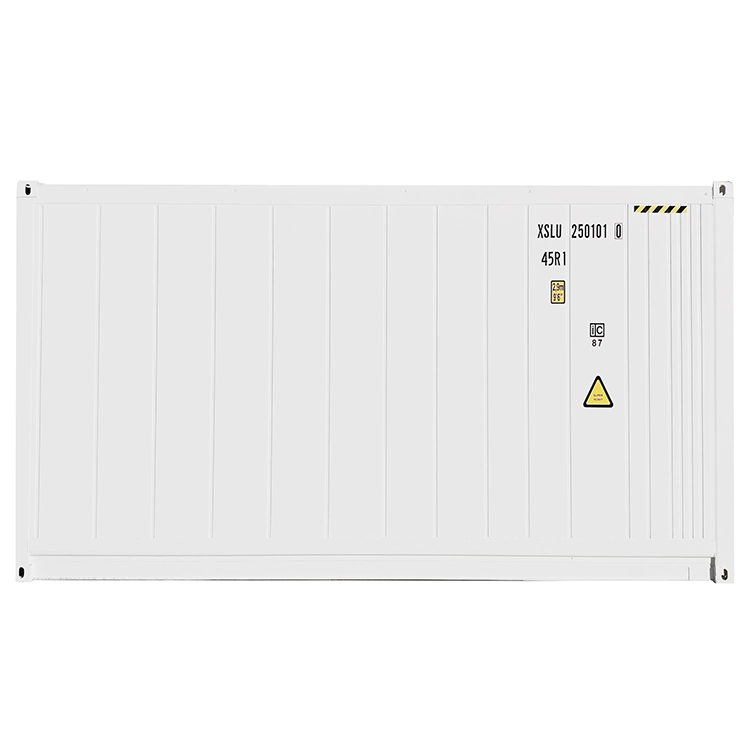
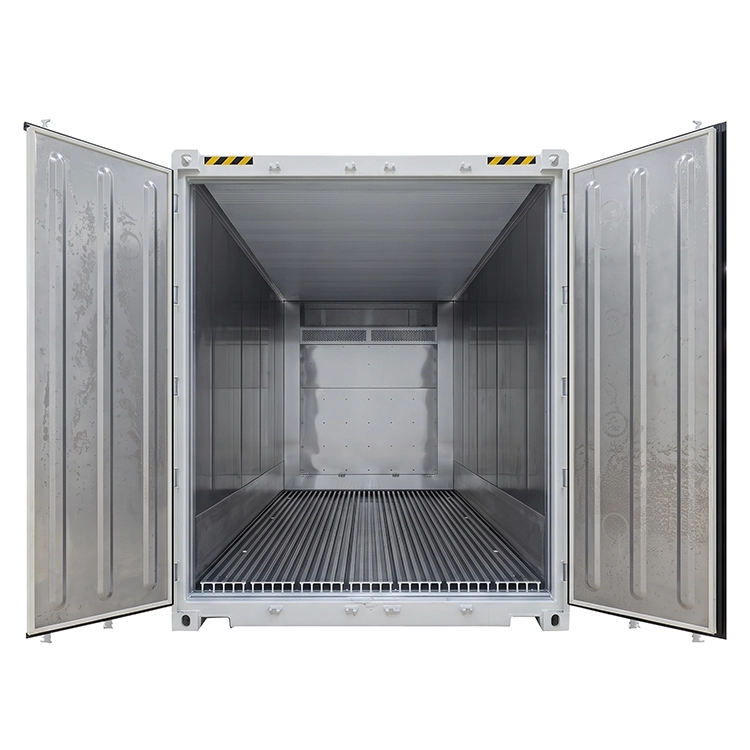
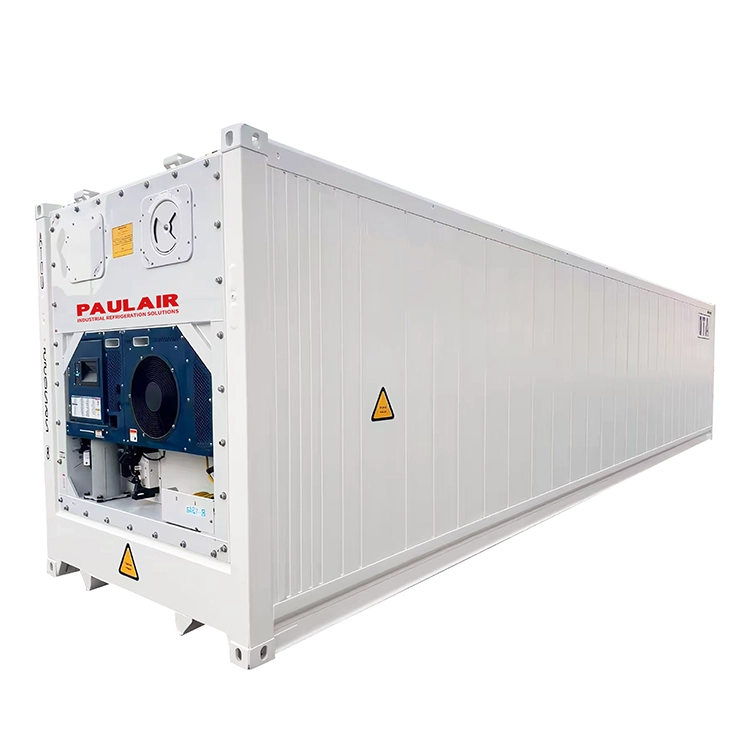
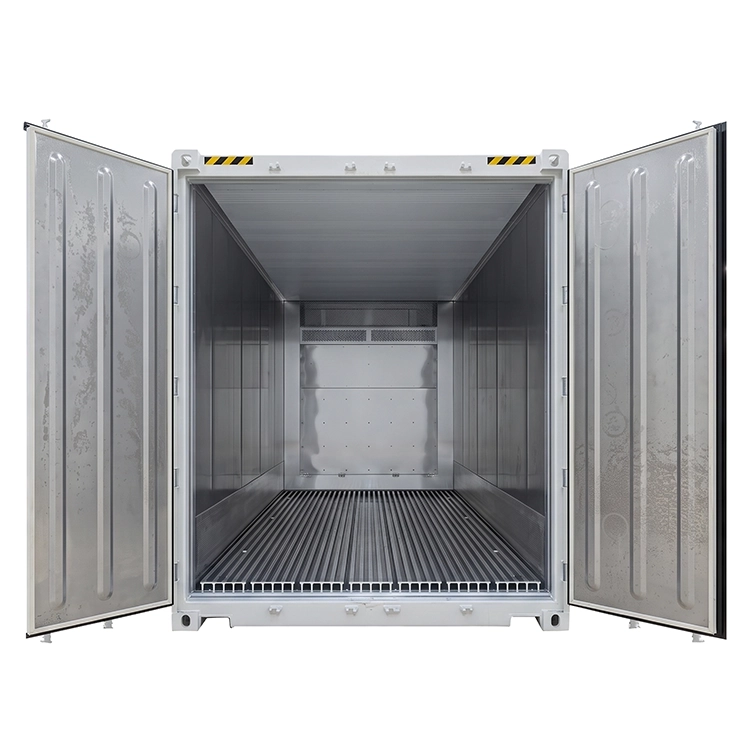
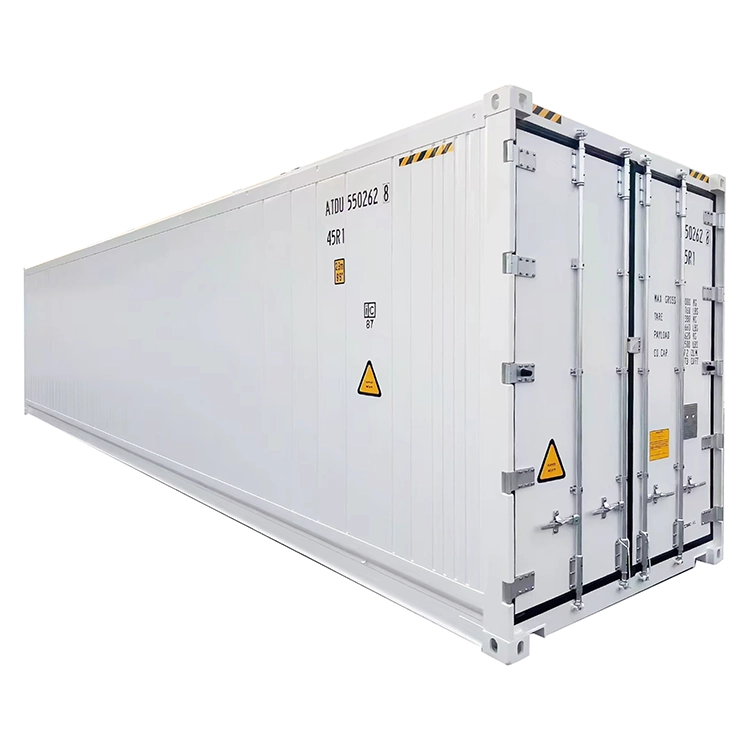
Container freezer rooms are available in 20 ft, 40 ft and non-standard sizes, but volume alone does not determine the required refrigeration capacity. The table below shows the parameters that should be confirmed before selection.
| Parameter | Why It Matters |
|---|---|
| Product load per batch | Determines peak cooling load and pull-down time after loading. |
| Incoming product temperature | Warm product carries far more heat than pre-chilled product; affects compressor and evaporator selection. |
| Daily turnover | High turnover means frequent door openings and repeated product loads; requires additional capacity margin. |
| Ambient temperature | High summer ambient conditions reduce condensing unit efficiency; capacity correction data should be requested. |
| Door opening frequency | Affects infiltration load, curtain or air-curtain requirements and temperature recovery time. |
Defrosting Strategy and Temperature Stability
Frost accumulation on the evaporator is unavoidable in low-temperature rooms. The question is how defrost cycles are managed. Electric defrost introduces heat directly into the refrigerated space and can cause noticeable temperature spikes. Hot-gas and reheating defrost methods used in PAULAIR freezer rooms are designed to shorten defrost duration and reduce temperature fluctuation inside the room.
Defrost scheduling should also match actual operating patterns. A room that opens frequently during a day shift and remains closed overnight benefits from a schedule that avoids defrost during peak loading. This is a configuration detail, not an afterthought, and it is best confirmed with the equipment supplier during selection.
For projects in regions with long periods of extreme summer heat, request cooling capacity correction data at high ambient conditions rather than relying only on nominal capacity at standard rating conditions. The difference can be significant for containerized units installed outdoors.
Energy and Operating Cost Considerations
Frozen storage runs continuously, so energy consumption accumulates over the equipment lifecycle. PAULAIR offers variable-frequency drive (VFD) compressor options that adjust capacity to actual load rather than cycling on and off at fixed capacity. Under suitable partial-load conditions, this approach can deliver approximately 20% to 40% energy savings compared with traditional fixed-frequency units. Actual results depend on ambient temperature, room temperature, load profile and operating conditions.
Panel insulation also affects energy use. High-density polyurethane panels in the 120 mm to 150 mm range are standard for low-temperature container rooms, with stainless steel or food-grade interior cladding available for hygiene-sensitive applications.
Deployment and After-Sales Support
Container freezer rooms arrive factory-assembled and pressure-tested, which reduces on-site civil work to a level foundation and main power connection. This matters for processors who need additional frozen capacity quickly, or for projects where permanent construction is not practical.
PAULAIR manufactures at two production bases in Shandong with a total factory area of 12,000 square meters, two assembly lines and annual capacity of about 1,000 refrigeration units and 300 container cold storages. Units undergo air-tightness testing, pressure and vacuum checks, electrical safety verification and full-load thermal pull-down tests before dispatch. A one-year warranty and 48-hour after-sales response are standard, with remote technical support, installation guidance and spare parts available.
For projects with specific temperature, load or site requirements, the most efficient starting point is to provide product type, batch load, incoming temperature and local ambient conditions through the inquiry page, or review the Container Freezer Room product page for configuration ranges.