
How Can a Container Cold Room for Green Vegetables Keep Produce Fresher and Reduce Post-Harvest Losses
Article Summary: A Container Cold Room for Green Vegetables provides a practical way to manage temperature, humidity, airflow, and storage conditions for fresh produce after harvesting. For farms, vegetable wholesalers, food distributors, and agricultural businesses, choosing the right cold storage solution can help preserve freshness, maintain product quality, and improve supply chain efficiency. This guide explains how container cold rooms work, which factors influence storage performance, and how to select a suitable system for your operation with guidance from Paulair.

Table of Contents
- Why Is a Container Cold Room Important for Green Vegetables?
- How Does a Container Cold Room for Green Vegetables Work?
- What Features Should Buyers Look For?
- How Should Temperature and Humidity Be Managed?
- Which Green Vegetables Can Be Stored in a Cold Room?
- How Do You Choose the Right Container Cold Room?
- How Can Businesses Improve Cold Storage Efficiency?
- Frequently Asked Questions
- Conclusion
1. Why Is a Container Cold Room Important for Green Vegetables?
Green vegetables are highly perishable agricultural products. After harvesting, they continue to respire, lose moisture, and undergo natural quality changes. Exposure to high temperatures, unsuitable humidity, and poor air circulation can accelerate wilting, discoloration, and deterioration.
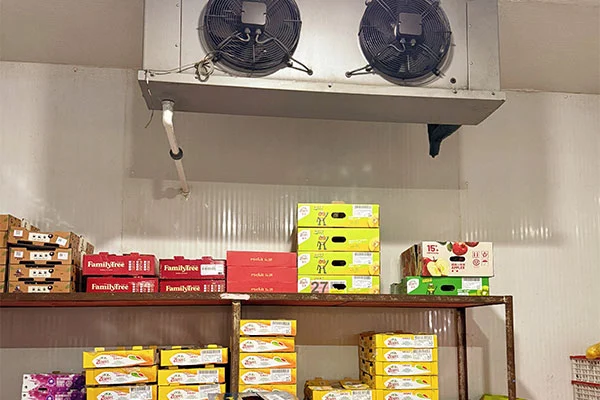
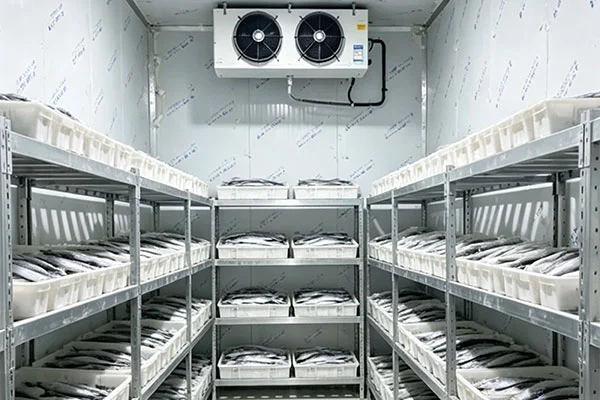
A Container Cold Room for Green Vegetables creates a controlled storage environment that helps slow these processes. Compared with relying on ambient storage, a properly designed refrigeration system offers more consistent conditions for temporary storage, distribution preparation, and seasonal inventory management.
For agricultural businesses, the main benefits include:
- Freshness preservation: Appropriate cooling helps slow respiration and moisture loss in many leafy vegetables.
- Reduced spoilage: Better temperature management can reduce deterioration caused by excessive heat.
- More flexible distribution: Produce can be held under suitable conditions while awaiting transport or delivery.
- Improved inventory management: Businesses can coordinate harvesting, grading, packaging, and shipment more effectively.
- Adaptable installation: Container-based designs can provide a practical option where a permanent cold storage building is inconvenient.
However, refrigeration alone cannot guarantee a specific shelf life. Results depend on the vegetable variety, harvesting condition, initial product temperature, sanitation, storage duration, and temperature and humidity settings.
2. How Does a Container Cold Room for Green Vegetables Work?
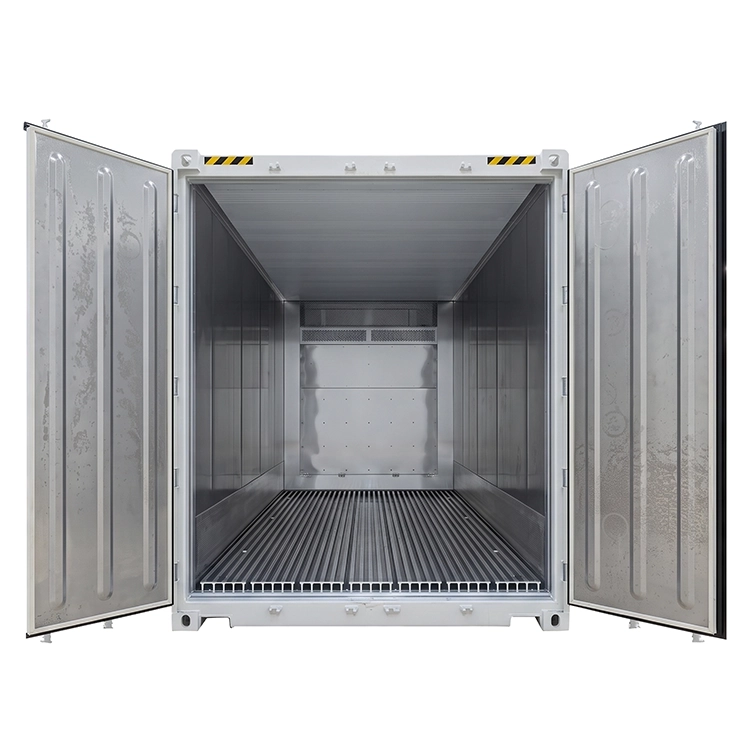
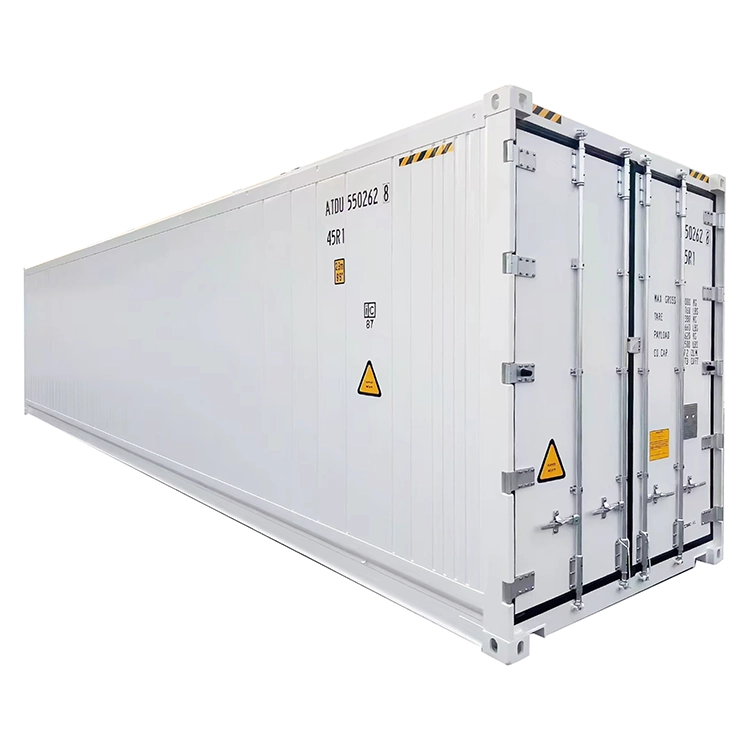
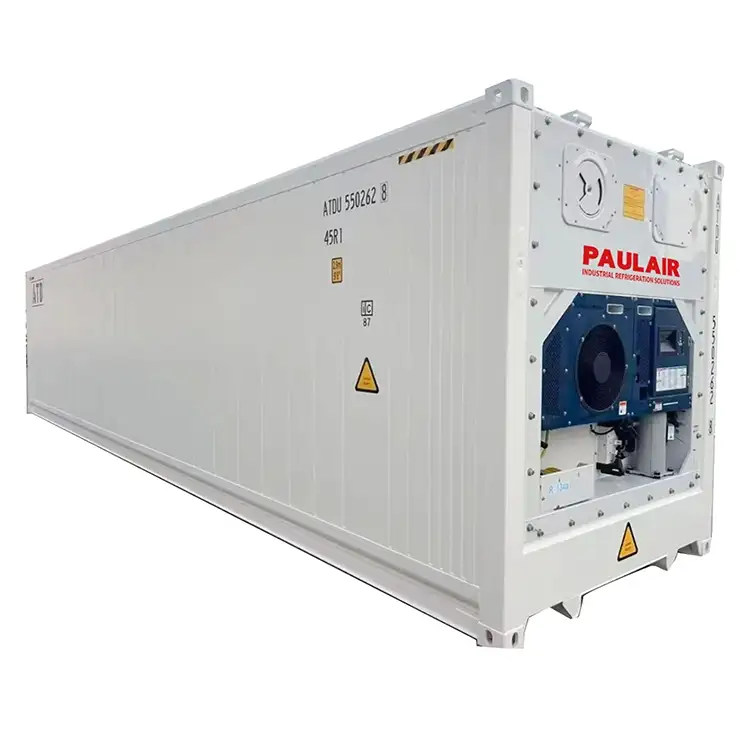
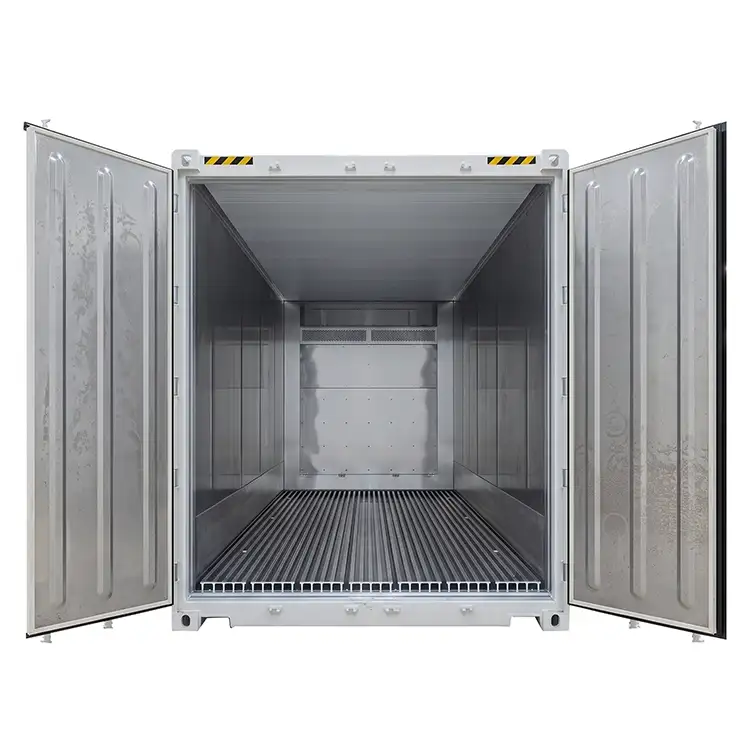
A container cold room combines an insulated enclosure with refrigeration equipment and temperature controls. Depending on its design, it may be installed in an agricultural facility, distribution center, wholesale market, or other suitable site.
Its main components typically include:
- Insulated enclosure: Insulation panels help limit heat transfer between the storage area and the surrounding environment.
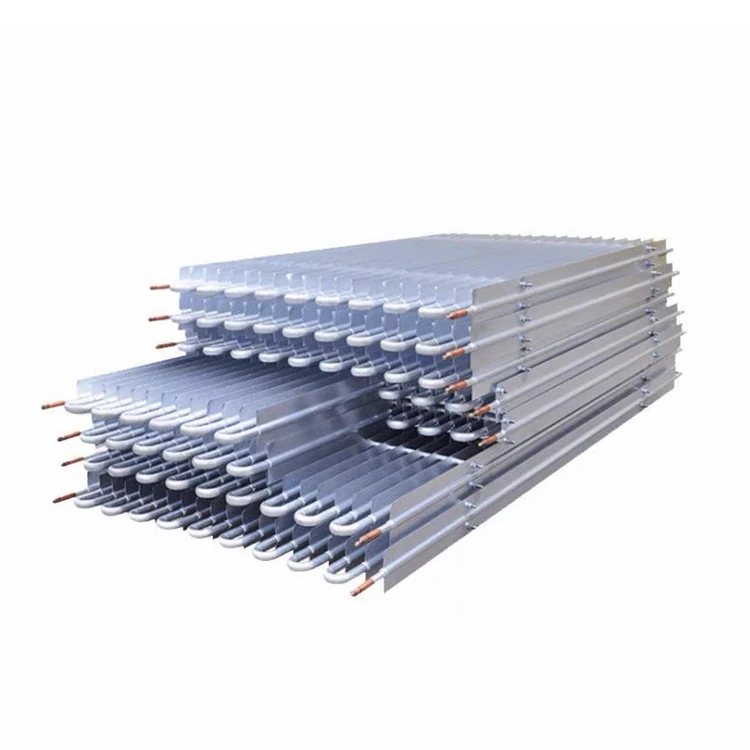
- Refrigeration unit: The compressor, condenser, expansion device, and evaporator work together to remove heat from the storage space.
- Air circulation system: Fans distribute cooled air to reduce temperature differences throughout the room.
- Temperature controller: Sensors and controls help maintain the selected operating temperature.
- Access door and seals: Properly fitted doors and seals help reduce warm-air infiltration during storage and loading.
- Monitoring equipment: Optional alarms, data loggers, and remote monitoring systems can help operators identify temperature deviations.
During operation, the refrigeration system removes heat from the enclosed space, while insulation reduces the rate at which external heat enters. The controller monitors operating conditions and regulates cooling according to the system design.
For a reliable result, buyers should evaluate the entire system rather than focusing only on compressor capacity. Insulation performance, door opening frequency, ambient temperature, product loading, and airflow all influence actual cooling performance.
3. What Features Should Buyers Look For?
When evaluating a Container Cold Room for Green Vegetables, buyers should consider how the equipment will perform under real operating conditions. The best configuration depends on the types of produce being stored, the required storage capacity, and the site's environmental conditions.
Effective Thermal Insulation
High-quality insulation helps maintain stable internal conditions and limits unnecessary heat gain. Buyers should compare panel construction, insulation thickness, joint sealing, door insulation, and floor design where applicable.
Reliable Refrigeration Capacity
The refrigeration system should be selected according to the room's dimensions, insulation, local climate, product temperature at loading, and expected daily throughput. A unit that is too small may struggle to maintain the setpoint, while an oversized system may increase initial costs and create control challenges if improperly configured.
Balanced Air Distribution
Uniform airflow helps reduce warm and cold spots. The evaporator and fans should be arranged so that air can circulate around stored produce without creating excessive direct airflow that could accelerate moisture loss in sensitive leafy vegetables.
Practical Temperature Monitoring
Digital controllers and independent temperature loggers provide useful information about storage conditions. For businesses with strict quality procedures, alarms and remote monitoring can help staff respond quickly to equipment problems or unexpected temperature changes.
Easy Cleaning and Maintenance
Food storage areas should support routine cleaning and inspection. Durable interior surfaces, accessible equipment, effective drainage where needed, and well-maintained door seals can help simplify daily operations.
4. How Should Temperature and Humidity Be Managed?
Temperature and relative humidity are critical factors in green vegetable storage. Different crops have different requirements, so there is no single temperature setting that is suitable for every vegetable.
Many leafy greens benefit from prompt cooling and high relative humidity because they lose moisture readily. Other vegetables may be sensitive to chilling injury at temperatures that are suitable for different crops. Storage conditions should therefore be selected according to the produce type, variety, maturity, and expected storage period.
| Vegetable Type | General Storage Consideration | Important Precaution |
|---|---|---|
| Lettuce | Typically requires cold storage and high relative humidity. | Avoid freezing and excessive moisture accumulation on leaves. |
| Spinach | Benefits from rapid cooling and humid storage conditions. | Handle gently to reduce bruising and leaf damage. |
| Broccoli | Generally benefits from low-temperature storage and high humidity. | Maintain airflow and avoid prolonged exposure to warm conditions. |
| Green Beans | Require crop-specific temperature management and suitable humidity. | Avoid excessively low temperatures that may cause chilling injury. |
| Cabbage | Can often tolerate longer storage under appropriate cool conditions. | Adjust storage conditions according to variety and intended storage duration. |
Note: The table provides general guidance, not a universal operating specification. Confirm crop-specific temperature and humidity requirements with recognized post-harvest guidance or a qualified refrigeration specialist before setting the system.
Temperature management should also account for the difference between room air temperature and the actual temperature inside the produce. For large deliveries, field heat may remain in the center of densely packed produce even after the surrounding air has cooled.
Where substantial quantities of warm vegetables are loaded, a dedicated pre-cooling process may be necessary. A standard storage cold room should not automatically be assumed to provide rapid pre-cooling performance.
5. Which Green Vegetables Can Be Stored in a Cold Room?
A container cold room can support the storage of many types of fresh vegetables when its operating conditions match the needs of the products. Common applications include:
- Leafy vegetables: Lettuce, spinach, bok choy, kale, and other leafy greens that require careful moisture management.
- Cruciferous vegetables: Broccoli and certain cabbage varieties that benefit from controlled cold storage.
- Fresh herbs: Selected herbs that need appropriate temperature, humidity, and handling practices.
- Green beans and similar produce: Vegetables requiring crop-specific temperature settings to avoid chilling damage.
- Mixed vegetable inventory: Produce held temporarily before sorting, packing, wholesale distribution, or retail delivery, provided the crops have compatible storage requirements.
Mixed-product storage requires particular care. Different vegetables may have incompatible temperature needs, and some produce releases ethylene that can affect sensitive neighboring products. Strong odors, condensation, contamination risks, and differences in humidity requirements should also be considered.
When several crop types require different conditions, separate storage rooms or independently controlled zones may provide better results than using a single temperature setting for all products.
6. How Do You Choose the Right Container Cold Room?
Choosing the right system begins with an assessment of storage demand and operating conditions. A unit that meets the needs of a small farm may not provide sufficient capacity for a regional produce distributor.
Step 1: Calculate Required Storage Capacity
Estimate the maximum inventory that must be stored at one time. Consider daily harvesting volume, delivery schedules, peak-season demand, packaging dimensions, and the space required for air circulation and staff access.
Usable storage capacity is not the same as the room's total internal volume. Stacking products too tightly can obstruct airflow and make loading and unloading less efficient.
Step 2: Identify the Required Operating Conditions
List the crops to be stored and identify their recommended temperature and humidity ranges. If different crops need incompatible conditions, consider whether separate compartments or multiple rooms would be more appropriate.
Step 3: Evaluate the Installation Site
Check the available footprint, foundation or supporting surface, drainage, ventilation around the refrigeration equipment, access for deliveries, and exposure to direct sunlight. The installation area should also provide the clearances required for equipment maintenance and safe operation.
Step 4: Confirm Electrical Compatibility
Confirm the available power supply, voltage, frequency, phase configuration, and electrical protection requirements before ordering. These specifications must match the selected refrigeration equipment and local electrical standards.
Step 5: Compare Lifecycle Costs
Purchase price is only one part of the total cost of ownership. Buyers should also assess energy consumption, insulation quality, maintenance requirements, spare-parts availability, installation costs, and the expected service life of key components.
| Selection Factor | What to Check | Why It Matters |
|---|---|---|
| Storage capacity | Peak inventory and usable loading volume | Prevents insufficient space and restricted airflow. |
| Temperature range | Requirements of the intended vegetable varieties | Helps protect product quality and reduce temperature-related damage. |
| Insulation | Panel construction, joints, doors, and floor | Limits heat gain and supports stable cooling. |
| Cooling capacity | Ambient conditions, product loading, and heat load | Helps the system maintain the required operating conditions. |
| Monitoring | Controller accuracy, alarms, and data logging | Improves visibility into storage performance. |
| Maintenance | Component access, service support, and replacement parts | Helps reduce downtime and unexpected operating costs. |
Before placing an order, buyers should request a written technical proposal showing the proposed dimensions, design temperature, estimated cooling capacity, insulation specifications, power requirements, and included accessories. This makes quotations easier to compare and reduces the risk of purchasing equipment that does not match the actual application.
7. How Can Businesses Improve Cold Storage Efficiency?
Even a well-designed cold room requires appropriate operating practices. Everyday handling procedures can have a substantial influence on energy consumption, product quality, and equipment reliability.
- Pre-cool produce when required: Remove field heat using a suitable process before placing large quantities into ordinary storage.
- Keep doors closed: Reduce unnecessary openings and consider suitable strip curtains or other access solutions where appropriate.
- Maintain clear airflow paths: Leave sufficient space around evaporators, walls, and stored products according to the equipment design.
- Inspect door seals and insulation joints: Repair damage promptly to minimize unwanted heat and moisture infiltration.
- Monitor temperature regularly: Record readings and investigate unexpected changes instead of relying solely on a single controller display.
- Clean the storage area: Remove damaged produce, manage spills, and follow suitable sanitation procedures.
- Maintain refrigeration equipment: Arrange regular inspections of fans, condensers, evaporators, electrical components, and condensate drainage.
- Review energy consumption: Compare electricity use with stored volume and operating hours to identify possible inefficiencies.
Businesses should also use a first-in, first-out inventory approach where appropriate and maintain records of receiving dates, product conditions, and dispatch times. These procedures improve traceability and help staff identify recurring storage problems.
For additional background, readers can consult the Food and Agriculture Organization of the United Nations (FAO) for agricultural and post-harvest resources. Refrigeration system sizing should be reviewed with a qualified professional familiar with the intended crop and local conditions.
8. Frequently Asked Questions
Q1: What Is a Container Cold Room for Green Vegetables?
A container cold room is an enclosed, insulated storage space equipped with refrigeration and temperature controls. It is designed to maintain suitable conditions for fresh vegetables and can be useful for farms, produce distributors, wholesalers, and food supply businesses.
Q2: What Temperature Should a Green Vegetable Cold Room Maintain?
The ideal temperature depends on the vegetable variety. Many leafy greens require temperatures close to 0°C without freezing, while other vegetables may suffer chilling injury at low temperatures. Buyers should establish crop-specific setpoints rather than applying one temperature to every product.
Q3: Does a Cold Room Need Humidity Control?
Humidity management is important because many vegetables lose moisture and wilt during storage. Some products benefit from high relative humidity, but excessive condensation and standing water can create other quality and sanitation problems. Humidity requirements should be considered during system selection and operating procedure development.
Q4: Can Different Green Vegetables Be Stored Together?
Yes, if their temperature, humidity, and storage requirements are compatible. Products with significantly different temperature needs or sensitivity to ethylene may require separate rooms or controlled storage zones.
Q5: How Do I Determine the Required Cold Room Capacity?
Start with the maximum quantity of produce you expect to store, then account for packaging, stacking arrangements, airflow clearances, staff access, and future demand. A refrigeration specialist can use these details to estimate the required room dimensions and cooling capacity.
Q6: Is a Container Cold Room Suitable for Outdoor Installation?
It can be suitable when the enclosure, refrigeration equipment, electrical installation, and supporting surface are designed for the actual site conditions. Outdoor exposure, rainfall, solar heat gain, ambient temperature, drainage, and equipment ventilation should all be evaluated before installation.
Q7: What Information Should I Provide When Requesting a Quotation?
Prepare the intended vegetables, required storage temperature, estimated storage capacity, daily loading volume, site location, ambient conditions, available power supply, and any monitoring requirements. Providing these details helps the supplier recommend a more suitable configuration.
9. Conclusion
A well-selected Container Cold Room for Green Vegetables can help agricultural businesses preserve produce quality, improve inventory management, and create a more dependable cold chain. The most effective solution combines suitable insulation, correctly sized refrigeration equipment, balanced airflow, appropriate temperature and humidity management, and disciplined operating procedures.
For buyers evaluating cold storage solutions, Paulair can be a starting point for discussing project requirements and identifying the technical information needed for equipment selection. Before making a purchasing decision, confirm the proposed configuration, performance requirements, installation conditions, and after-sales support with the supplier. To discuss your application, clarify your cold storage requirements, or request further product information, contact us and take the next step toward a cold storage solution tailored to your green vegetable business.
Related News
- How Can a Container Cold Room for Root Vegetables Extend Freshness and Reduce Post-Harvest Losses
- How Can a Container Refrigeration Room Aluminum Finned Tube Improve Cold Storage Efficiency and Temperature Stability
- Container Blast Freezer Room Improves Food Processing Efficiency
- Container Freezer Room Meets Low-Temperature Storage Needs
- Container Cold Room Supports Fresh Supply Chain Upgrades
Leave me a message
New Products
News Recommendations