Professional Container Blast Freezer Room Manufacturer for Cold Chain Logistics
PAULAIR INDUSTRIAL REFRIGERATION
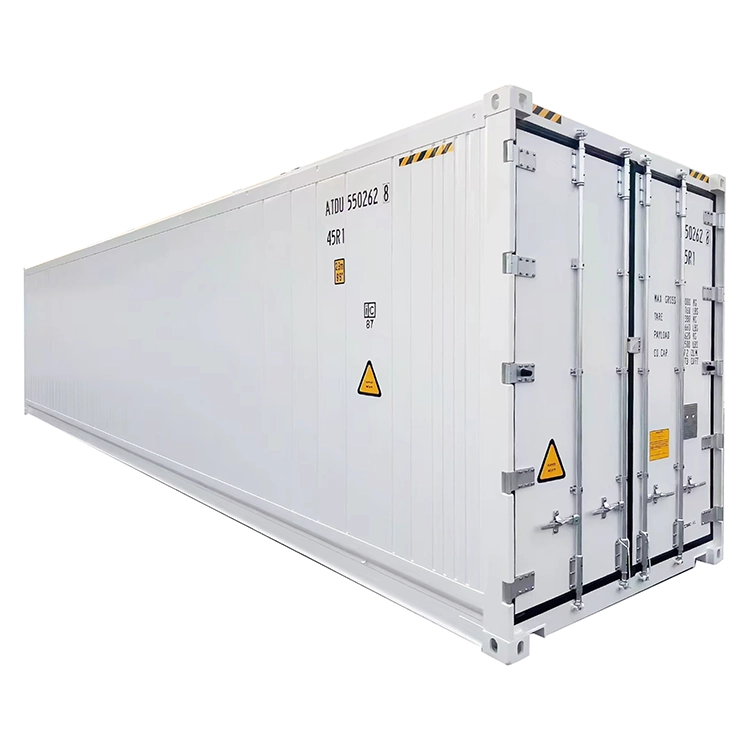
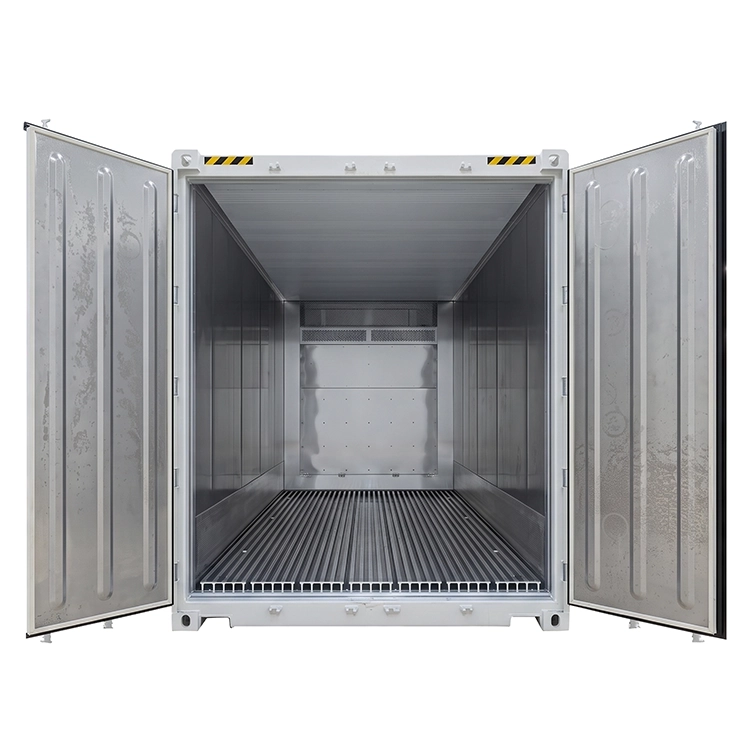
Container Blast Freezer Room
Rapid freezing places different demands on a refrigeration system than routine cold storage. The equipment must handle the heat introduced by products entering the room, maintain the required low-temperature conditions and support the planned freezing cycle. PAULAIR provides commercial and industrial refrigeration solutions, with equipment configuration based on the application and operating requirements.
A Container Blast Freezer Room is intended for applications where products need to be frozen within a defined processing period. Its configuration should account for the type and quantity of products, their incoming temperature, loading pattern and required final product temperature. These factors help establish the refrigeration capacity and airflow requirements for the project.
What Determines the Freezing Cycle?
Product conditions and loading practices directly affect the refrigeration demand.
FACTOR 01
Product Type and Dimensions
Different products transfer heat at different rates. Product thickness, packaging, arrangement and initial temperature affect how quickly the center of each item reaches the target temperature.
FACTOR 02
Batch Size and Loading Schedule
The amount of product loaded per cycle determines how much heat must be removed. Daily throughput, batch weight and loading frequency should be considered when assessing the required freezing capacity.
FACTOR 03
Airflow Across the Product
Air needs room to circulate around the loaded products. Tray spacing, rack arrangement, packaging and loading density can affect heat transfer and the consistency of freezing throughout a batch.
FACTOR 04
Target Temperature and Cycle Time
The required final product temperature and acceptable processing time help define the operating conditions. The refrigeration system should be evaluated against these requirements rather than room dimensions alone.
Important for capacity planning: A room's air temperature is not the same as the temperature at the center of the product. Freezing time depends on product characteristics, loading conditions, airflow and system performance.
Designed Around Your Processing Workflow
Consider how products move through the freezing process before finalizing the room layout.
Product Loading
Confirm how products enter the room, whether they arrive in trays, cartons or racks, and how much product is loaded in each batch. The loading method affects usable space and air circulation.
Freezing Operation
Define the expected batch cycle, required product temperature and operating schedule. These details provide a more useful basis for equipment selection than a general room-temperature requirement.
Unloading and Turnover
Consider how frozen products are removed and how soon the next batch needs to enter. Frequent loading cycles and high product throughput can change the refrigeration demand over the working day.
Site and Utility Conditions
Available installation space, local ambient conditions, electrical supply, drainage and maintenance access should be reviewed before confirming the complete system arrangement.
Refrigeration Solutions from PAULAIR
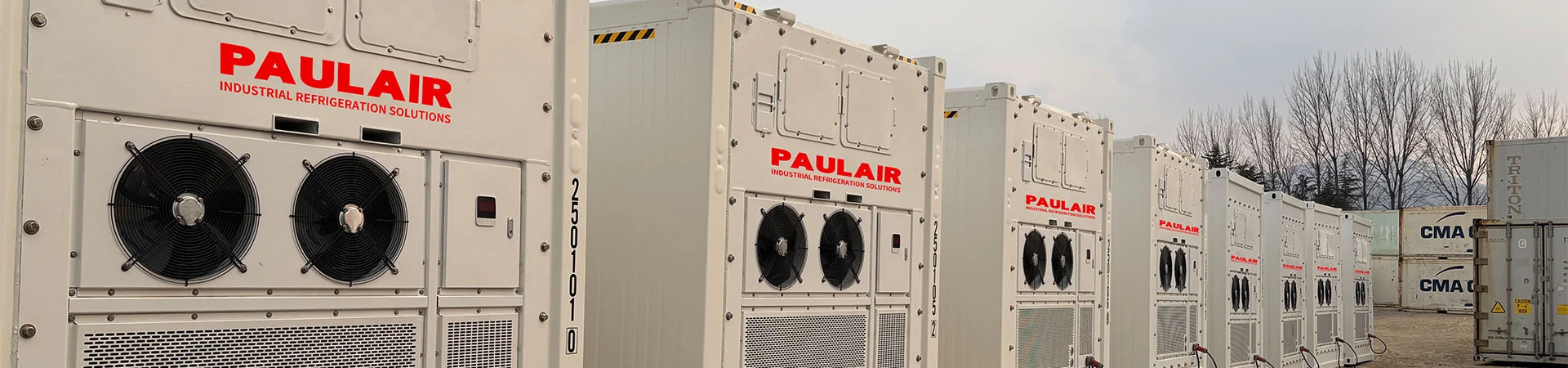
Established in 2017, PAULAIR focuses on HVAC, commercial and industrial refrigeration, and cold-chain solutions. The company has production and R&D bases in Jinan and Qingdao, two production lines, a 12,000 m² factory area and a dedicated testing and inspection area.
For a Container Blast Freezer Room, the key is to connect the processing target with the actual refrigeration requirements. Product information, batch weight, incoming temperature, desired freezing time and site conditions provide a starting point for reviewing the equipment configuration and identifying the technical specifications that need confirmation.
Prepare These Details for Your Project
Providing the following information helps make the initial technical discussion more specific.
Product and Processing Data
Product type, approximate dimensions, incoming temperature, weight per batch, daily throughput and required final product temperature.
Installation and Operating Data
Available room or container dimensions, site location, ambient conditions, electrical supply, loading method and expected operating schedule.
Planning a Blast Freezing Project?
Share your product details and processing targets to discuss the refrigeration requirements for your application.
- View as
Container Blast Freezer Room for Cooked Poultry Meats
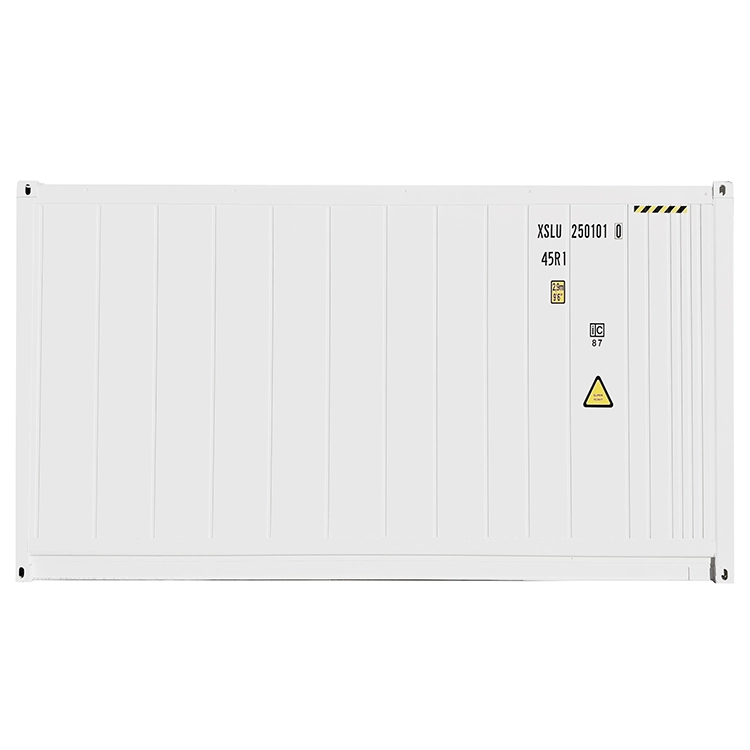
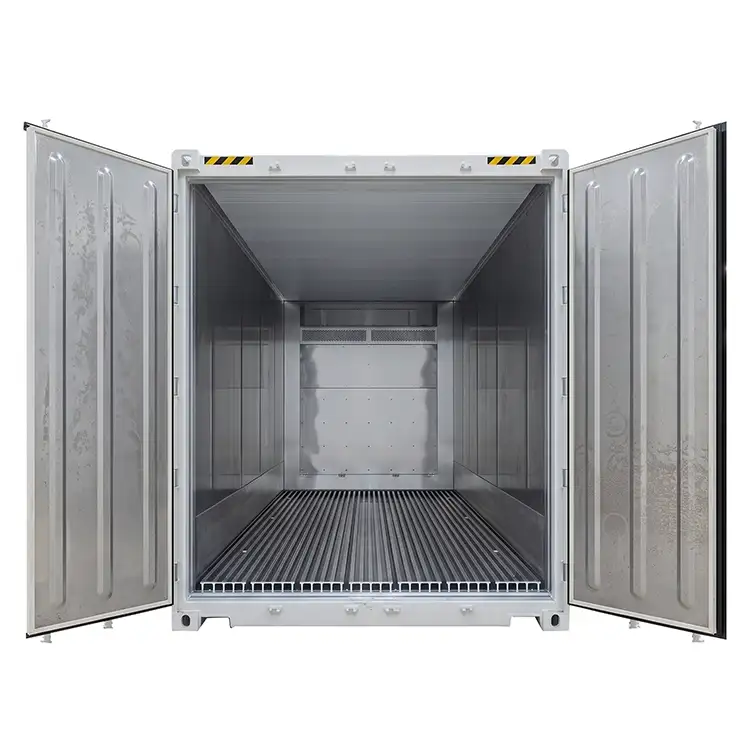
The Paulair Container Blast Freezer Room for Cooked Poultry Meats offers high-efficiency, reliable cold storage tailored for roasted chicken, duck, and vacuum-sealed cooked meats. Operating within a precise 0°C to 5°C temperature range, the unit features customizable refrigeration units, targeted airflow design, and smart temperature controls. It is ideal for food processing plants, central kitchens, catering suppliers, and cold chain logistics providers.
Container Blast Freezer Room for Cooked Mutton
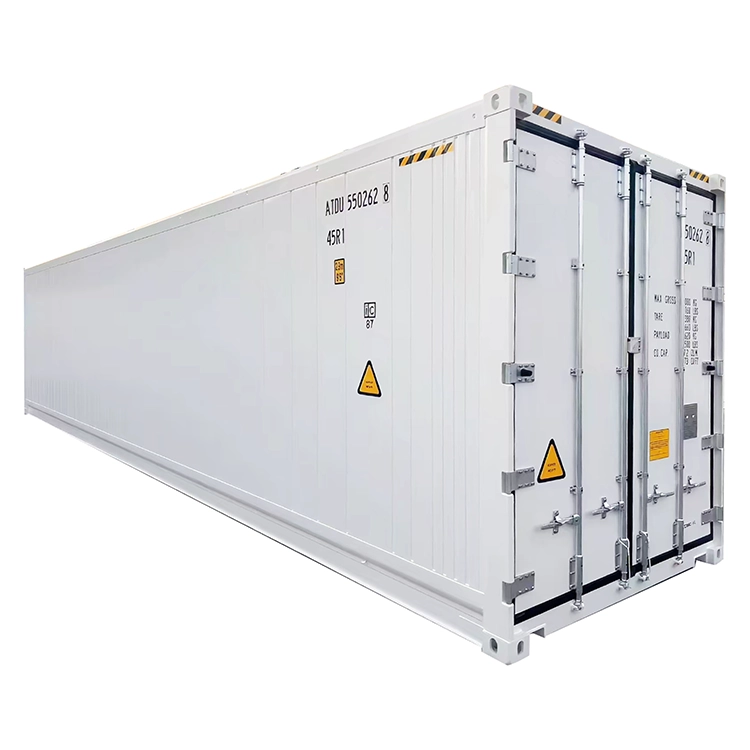
Paulair Container Blast Freezer Room for Cooked Mutton offers turnkey cold chain storage for hand-grabbed, braised, roasted, and vacuum-sealed mutton products. Featuring convertible refrigeration/blast-freezing systems, smart multi-zone temperature control, and automated data monitoring, it provides portable, efficient storage for meat processors, central kitchens, and food exporters.
Container Blast Freezer Room for Cooked Beef
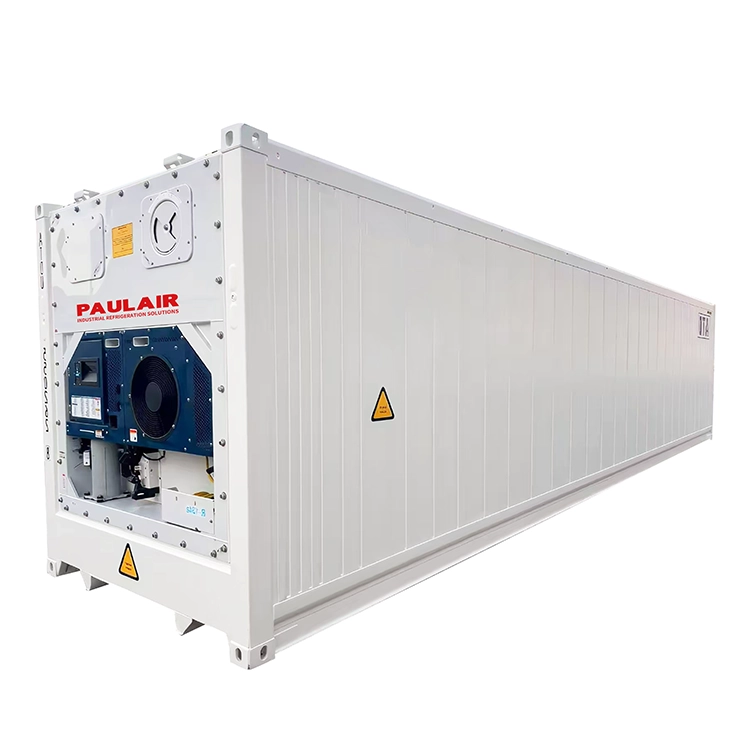
Paulair Container Blast Freezer Room for Cooked Beef provides custom low-temperature storage (-5°C to -25°C) for braised, grilled, and vacuum-packaged beef. Equipped with intelligent temperature monitoring and advanced refrigeration systems, it offers reliable, precise cooling for food processing plants, central kitchens, distribution hubs, and export cold chain operations.
Container Blast Freezer Room for Cooked Pork
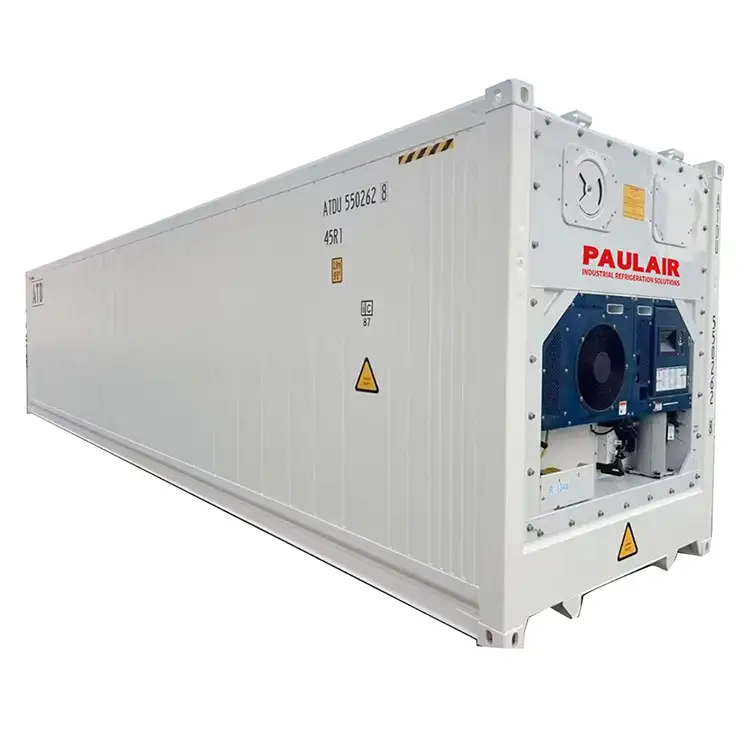
Paulair Container Blast Freezer Room for Cooked Pork is suitable for quick freezing and long-term storage of stewed pork, Braised pork belly, cooked pork chops and pork products with prefabricated vegetables. The equipment is customized according to product characteristics, freezing requirements, and production scale, supporting intelligent control, temperature monitoring, and modular deployment. It is suitable for meat processing plants, central kitchens, pre packaged food enterprises, and export food supply chains.
Container Blast Freezer Room for Fruits and Vegetables
Container Blast Freezer Room for Fruits and Vegetables
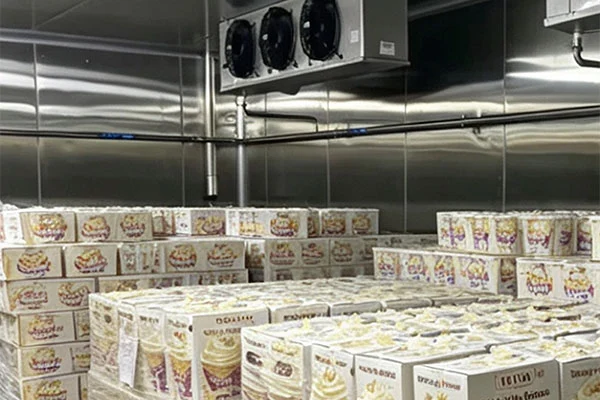
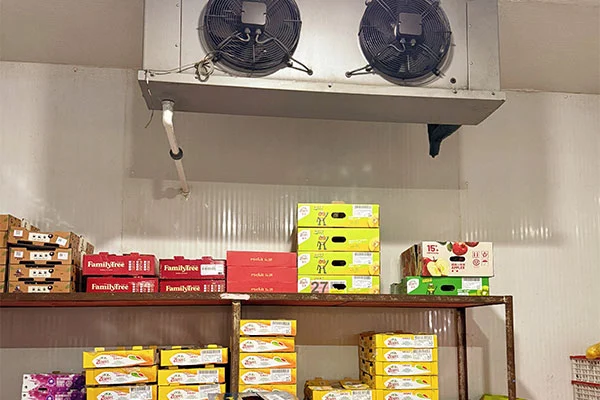
Application: Designed for rapid freezing and cold storage of frozen green peas, sweet corn kernels, strawberries, blueberries, and other sensitive fruits and vegetables.
Operating Temperature: -18°C or below
Temperature Stability Target: Maintained within ±1°C
Available Sizes: Standard 20ft, 40ft ISO units, and modular custom-built configurations
Insulation: High-density polyurethane (PU) foam insulation panels, ≥100 mm thick
Control System: PLC-based intelligent microcomputer controller
Optional Features: IoT remote monitoring, continuous temperature logging, and cloud-based data tracking
Custom Options: Protective internal partitions, cargo cushioning supports, heavy-duty flexible door seals, and optimized internal airflow distribution
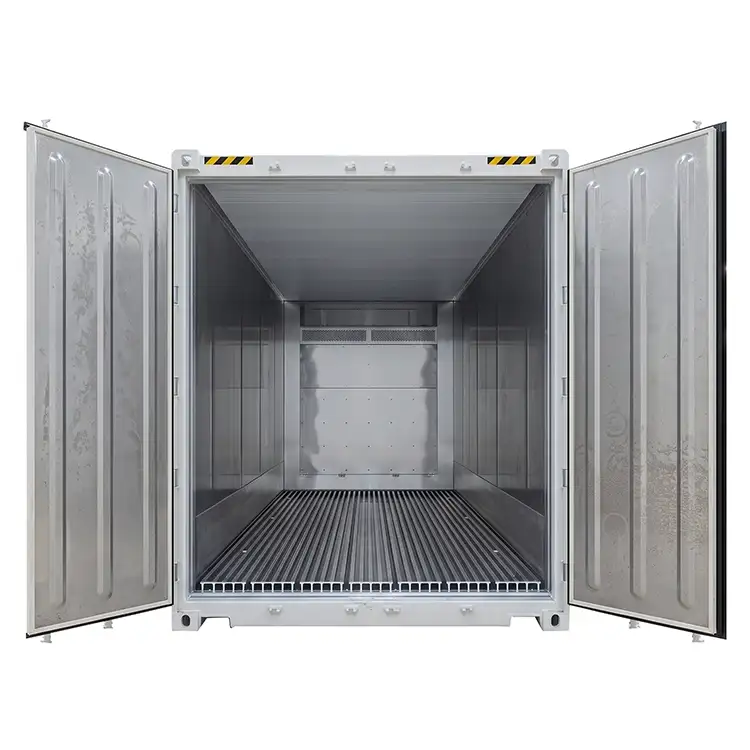
Container Blast Freezer Room for Pre-cooked Food
The Container Blast Freezer Room for Pre-cooked Food is suitable for the storage and transportation of frozen prepared dishes such as preserved vegetable braised pork, sour cabbage fish, and Buddha Jumps Over the Wall. It supports operation at -18°C or lower, with a temperature fluctuation target of ±1°C. Designed for multi-component goods including sauces, meats, and vegetables, the unit optimizes odor prevention, cushioning support, and airflow channels based on packaging and stacking methods. It features ≥100mm PU insulation panels, double-sealed doors, and PLC control, with optional IoT monitoring and full-process temperature logging. Available in 20ft, 40ft, and custom non-standard sizes.
As a reliable Container Blast Freezer Room manufacturer and supplier in China, we have our own factory. If you want to buy high-quality cold chain and HVAC series products, please contact us.
News Recommendations