

Container Cold Room for Flowering Plants
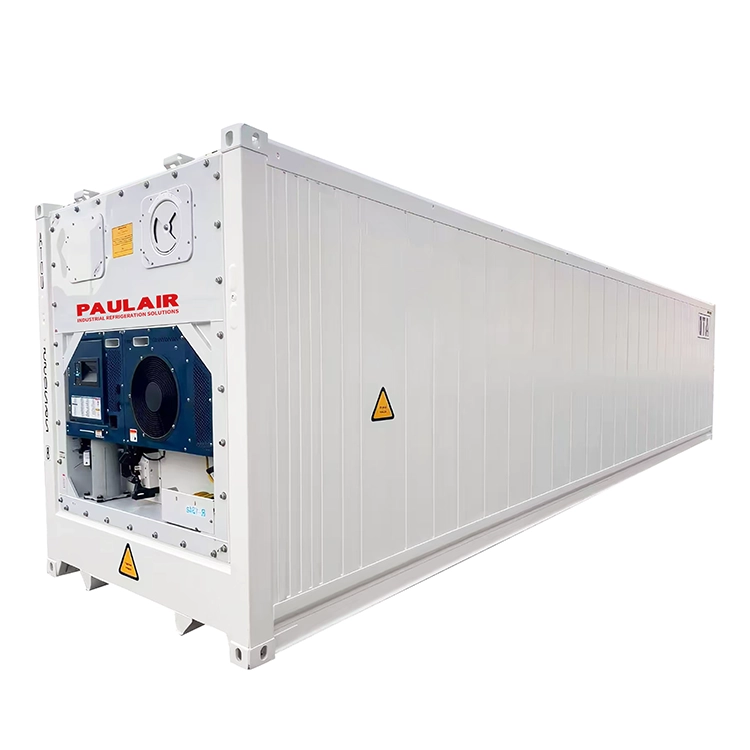
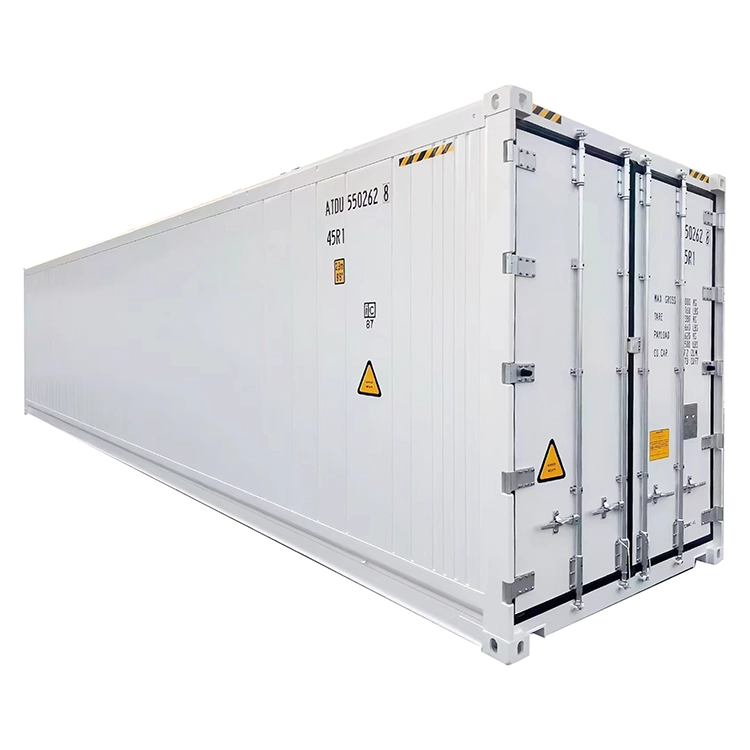
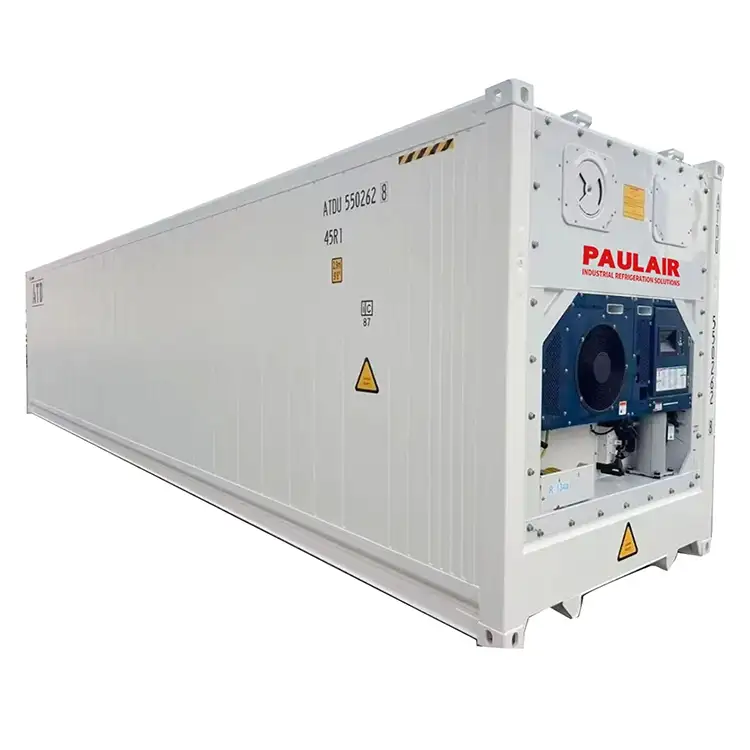
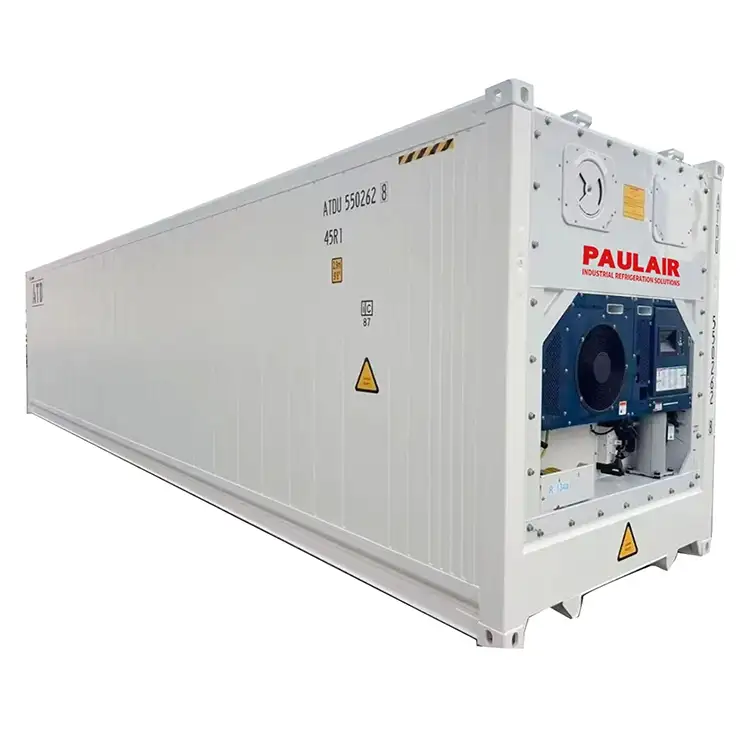
Engineered for fresh-cut flowers and sensitive plants, the Container Cold Room for Flowering Plants maintains +2°C to +15°C temperature control and active humidity management. Available in 20ft, 40ft, and custom sizes, it incorporates tailored flower racks, ethylene scrubbers, micro-ventilation, and IoT monitoring to preserve bloom quality during long-haul transit and export logistics.
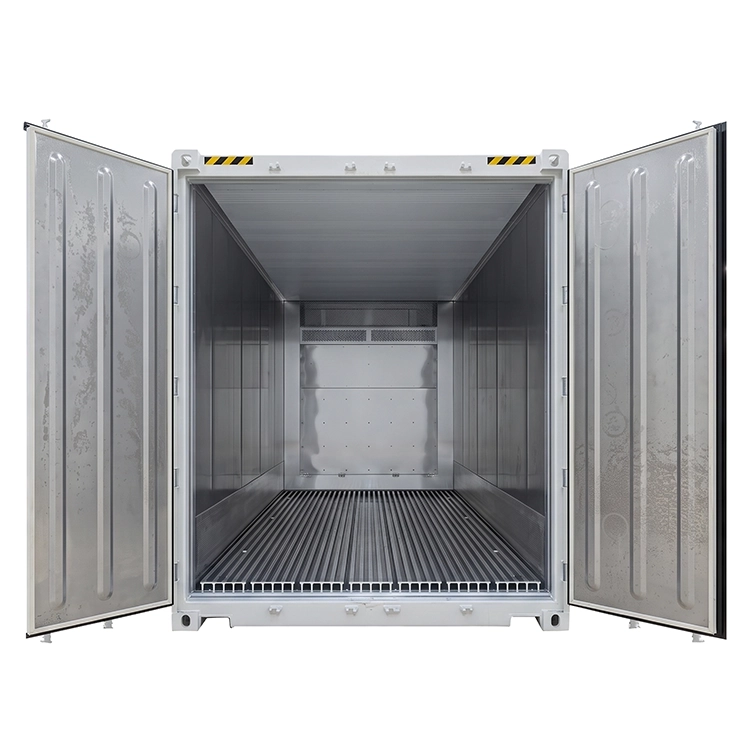
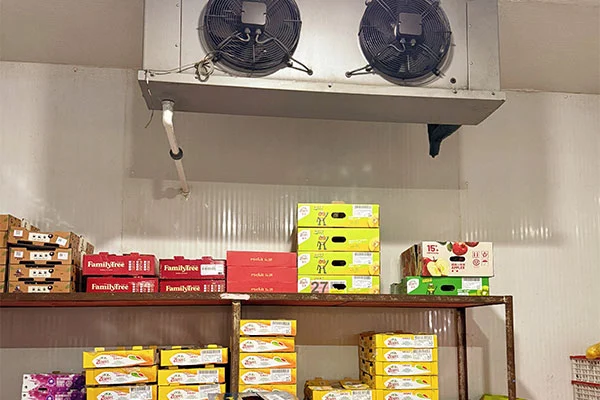
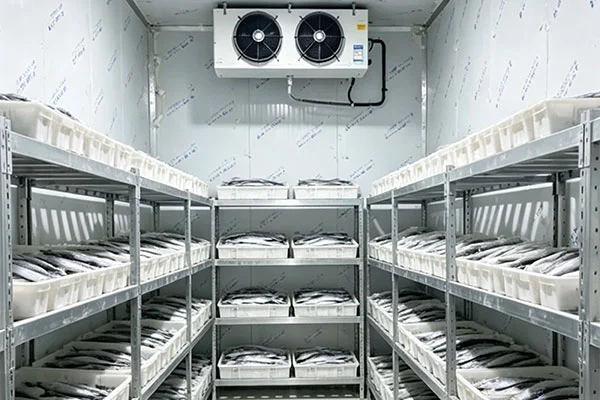
The Container Cold Room for Flowering Plants is used for the transportation, storage and cold chain circulation of fresh-cut flowers, potted plants and other temperature-sensitive plants. The equipment is equipped with refrigeration units, insulated boxes, flower shelves, air circulation, humidity control and ethylene treatment modules according to the type of flowers, loading volume, transportation distance and target temperature. 20ft, 40ft and non-standard sizes can be adjusted according to the project. It is suitable for flower production areas, export transportation, port transfer, wholesale markets, supermarket distribution and cross-border cold chain. Specific temperatures, cooling capacity, shelf forms and control methods need to be confirmed based on the actual goods.

Based on the Configuration of the Flower Cargo, Rather Than Directly Applying the Method Used for Ordinary Container Cold Storage
The most common problem in the refrigerated transportation of flowers is not whether the "container can be cooled", but whether the actual temperature can reach the required level after the goods are loaded. Fresh-cut flowers have field heat when they are harvested. If they are directly loaded to the container cold storage without pre-cooling, simply lowering the set temperature cannot replace the pre-cooling process. If the shelves block the return air path, it will also cause temperature differences at different positions within the container.
Therefore, before placing the order, it is necessary to confirm the flower variety, loading weight, packaging method, target temperature, transportation time, and loading/unloading environment. Based on these parameters, determine the cooling capacity, air volume, evaporator layout, shelf height and control method to avoid having to make modifications to the equipment after it is purchased.

20-Foot, 40-Foot and Non-Standard Container Cold Storage
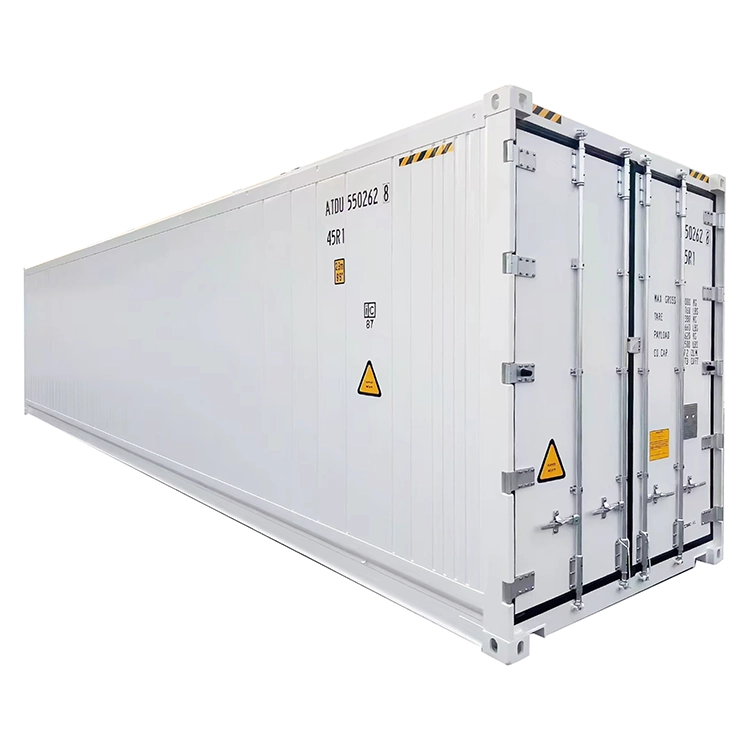
The 20ft container cold storage is suitable for small to medium-sized batches of flower turnover and phased storage, while the 40ft container cold room is suitable for export, long-distance transportation, and larger quantities of goods. If the goods are packed using multi-layer flower racks, pallets or special packaging, the effective loading space needs to be recalculated. It cannot be calculated only based on the external dimensions of the container.
| Item | Configuration |
| Container cold storage specifications | 20ft / 40ft / non-standard size |
| Temperature range | +2℃~+15℃ |
| Container cold storage insulation | PU insulation board, thickness 100mm |
| Thermal conductivity of insulation materials | ≤0.024 W/(m·K) |
| Container cold storage door | Double-seal structure |
| Control mode | PLC intelligent control |
| Temperature and humidity | Temperature control; humidity control |
| Defrost | Automatic defrosting |
| Remote control | IoT system optional |
| Flower display shelf | Fixed / multi-layer tray type / customization |
| Ethylene treatment | Optional |
| Micro ventilation | Optional |
| Fill-in light | Low-light illumination optional |

Flower Display Shelves, Humidity Control and Ethylene Treatment
Flower transportation is not simply putting the goods into container cold storages. Cut flowers such as roses and lilies usually need to be stored at a lower temperature, while plants like phalaenopsis are more sensitive to low temperatures. The specific temperature should be determined based on the variety, post-harvest treatment method and transportation requirements, and cannot be applied uniformly to all plants.
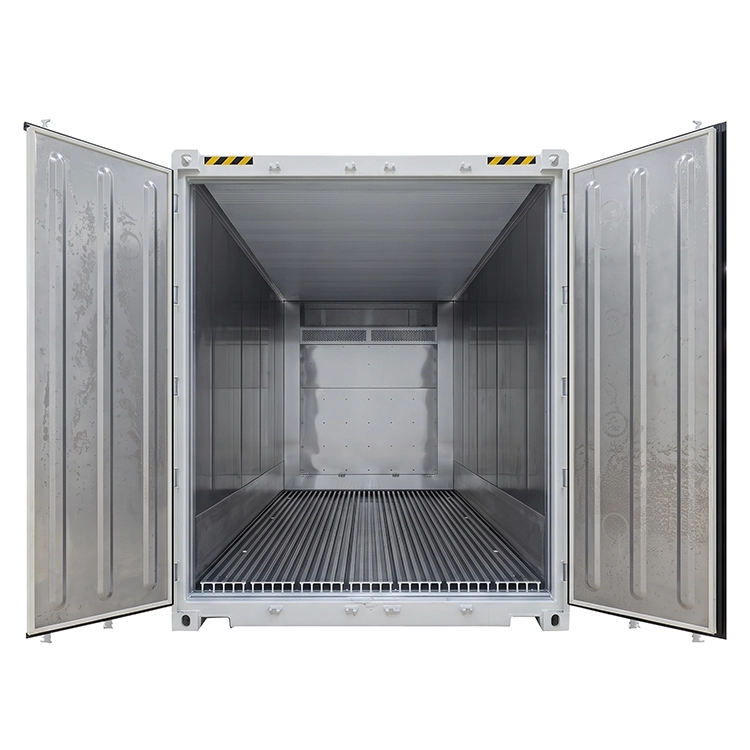
The shelves are designed based on the size of the packaging boxes, the height of the bouquets and the loading method. When the loading capacity needs to be increased, multi-layer shelves can be used; when the risk of the bouquets tipping over during transportation needs to be reduced, pallets, fixing belts or support structures can be added. The shelf design also needs to leave space for air supply and return, otherwise, increasing the number of shelves may affect the actual cooling effect.
For flowers that require long-distance transportation or are sensitive to ethylene, an ethylene treatment module can be added. It should be noted that the ethylene treatment method should be selected based on the goods and transportation conditions, and different methods such as ozone or oxidation filters should not be simply mixed together.

The Refrigeration System Is Selected Based on the Actual Heat Load
For the same 40ft container cold storage, the cooling requirements for different projects can be completely different. The initial temperature of the flowers, the ambient temperature, the loading weight, the number of times the container is opened, the transportation time, and the target temperature all affect the cooling load.
For example, when loading flowers directly from a hot production area in summer, the cooling capacity required is different from that when the flowers have already been pre-cooled and transported from a cold storage. If the cooling capacity is too small, the cooling time after full loading may be too long; if the unit configuration is too large, it will increase the equipment cost and operating load. Therefore, the selection of the cooling unit needs to be calculated based on the actual working conditions, rather than just quoting based on the 20ft or 40ft size.

Temperature and Humidity Control and Remote Monitoring
The equipment can adopt a PLC control system to manage the temperature inside the container cold storage, the operating status, the defrosting status and the fault information. For projects that require remote management, an IoT monitoring function can be added to view real-time temperature, historical temperature, the operating status of the compressor and fan, as well as alarm information.

For the export of flowers and cross-border transportation, the value of remote monitoring lies mainly in reducing the need for manual inspections. When the transportation personnel are not on site, if the temperature inside the container cold storage is abnormal, it can be detected in advance instead of waiting until the goods arrive at the destination to determine the cause of loss.

Provide a Complete Configuration of Refrigeration Equipment for Each Project
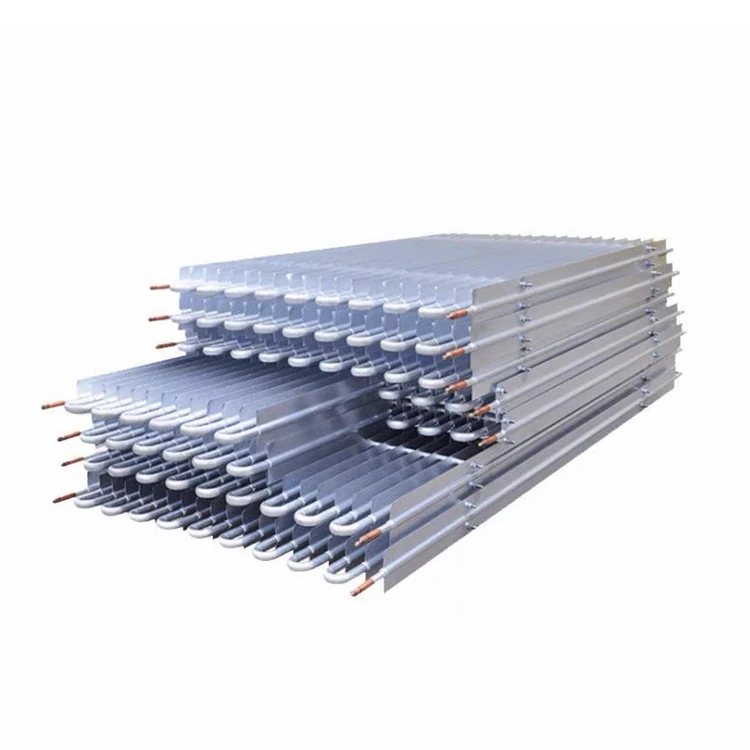
The Container Cold Room for Flowering Plants is not just about purchasing a single "container body". A complete project usually requires simultaneous confirmation of the container's insulation structure, refrigeration unit, evaporator, condenser, control cabinet, temperature and humidity sensors, flower shelves, as well as the customer-specified ethylene treatment, micro-ventilation and remote monitoring systems.
If the customer already has a refrigeration container, the refrigeration system and internal structure can be recalculated based on the existing container size; if it is a new project, the container size, shelves, units, and control system can all be designed uniformly.
Manufacturing and Engineering Capabilities
The company was established in 2017. It has implemented a division of labor between Beijing and Shandong. The Beijing company is mainly responsible for building energy environment and commercial air conditioning businesses, while the Shandong company is in charge of commercial, industrial refrigeration and cold chain projects. Production and research and development bases are located in Jinan and Qingdao, with a total area of approximately 12,000 square meters.

The technical team consists of 4 R&D engineers and 2 system engineers. The core technical personnel have approximately 10 years of industry experience. Some of the technical staff have backgrounds in related industries such as Panasonic, Trane, Siemens, Haier, and Hisense. The company holds 2 invention patents, 16 utility model patents, and 13 software copyrights. It also engages in the design of refrigeration systems, the research and development of control systems, equipment customization, and OEM/ODM businesses.

Currently, there are 2 production lines, with an average monthly production capacity of approximately 100 units. The annual output of refrigeration units is about 1,000, and the annual output of container cold storage is about 300. An independent testing area is also set up. For the flower refrigeration project, customers can directly confirm the equipment configuration based on the cargo parameters, rather than purchasing the standard model first and then making adjustments.
Factory Testing and Quality Control
During the equipment production process, incoming material inspection, air tightness check, pressure test, vacuum extraction, electrical safety check, refrigeration performance test, temperature test, complete machine operation test and final inspection are carried out.
Container cold storage testing standards:
Has passed the core standard framework and key tests: ISO 1496-2:2018, GB/T 5338.2—2023, SB/T 10797, SN/T 0981.2
The company's products have previously been exported to the United States, Canada, Chile, India, Germany, Malaysia, Kazakhstan and other countries and regions through domestic trading companies and partners. Based on the accumulation of certain overseas market experience, the company is gradually expanding its direct export business and establishing an overseas agent and distributor cooperation network. We hope to provide more efficient refrigeration equipment and cold chain solutions to overseas customers through more direct technical communication, product supply and service support.
Which Types of Flower Cold Chain Projects Are Suitable?
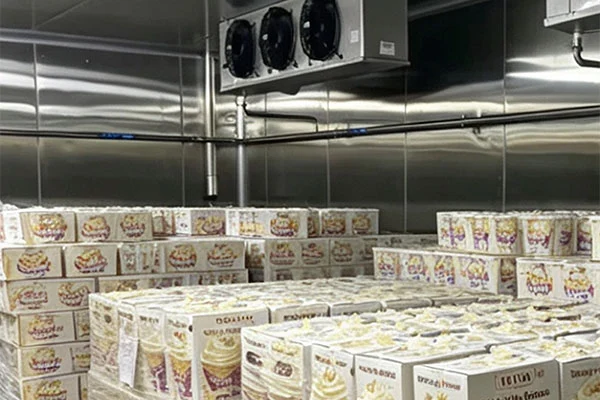
For flower cultivation bases, the equipment can be used for short-term pre-cooling after harvest and waiting for shipment; for exporters, it can serve as a cold chain storage facility before and after loading containers; for ports and logistics companies, it can be used for temporary turnover at transportation nodes; for wholesale markets and supermarket deliveries, it is more suitable for short-term storage and regional distribution.
MOQ, Price, FOB and Delivery Time
The MOQ adopts a tiered pricing model. The exact price will be determined based on the specifications, quantity and configuration.
20ft:
| Purchase Amount | Price/unit |
| 1-5 | USD15000 |
| 5–10 | USD13000 |
| 10–20 | USD11000 |
| Above 20 | USD10000 |
40ft:
| Purchase Amount | Price/unit |
| 1-5 | USD25000 |
| 5–10 | USD23000 |
| 10–20 | USD21000 |
| Above 20 | USD20000 |
FOB: Qingdao Port / as customers' requirement
Standard order delivery time: 45 days
Urgent order delivery time: about 30 days. It needs to be confirmed based on the current inventory, configuration and production schedule.
Non-standard sizes, special refrigeration temperatures, customized shelves, ethylene treatment and IoT systems, etc. may prolong the production cycle. The final delivery date will be determined based on technical confirmation and production scheduling.

Procurement and Cooperation Guidelines
We offer a complete range of services from demand research, project design, equipment manufacturing to after-sales maintenance. When customers inquire about prices, it is recommended that they provide the following information so that we can quickly provide a precise solution:
The types of flowers/vegetables to be stored and the maximum weight of each batch
Target storage temperature and expected cooling time for storage upon entry
The environmental and climatic characteristics of the main operating areas of the equipment (such as shipping routes and transportation seasons on land)
Is it necessary to implement value-added functions such as ethylene removal, micro-ventilation, or the Internet of Things?
Certificates:


From Project Design to After-Sales Service
We offer complete services ranging from demand analysis, project design, equipment manufacturing to installation, commissioning and after-sales maintenance. Once the project is confirmed, we can provide product manuals, equipment operation instructions and technical support. When equipment has operational problems, our technical staff can conduct remote fault diagnosis and debugging guidance, and based on local conditions, coordinate authorized service agents to provide services. The equipment warranty period is one year, and the technical response time for after-sales services can be controlled within 48 hours.
FAQ
Can the Container Cold Room for Flowering Plants be used for all types of flowers?
No. Different flowers have different requirements for temperature and humidity. Some tropical or subtropical plants are sensitive to low temperatures. Before purchasing, specific varieties should be provided and confirmed by technicians regarding the applicable temperature and refrigeration configuration.
How should one choose between 20ft and 40ft?
The main factors to consider are the loading capacity, transportation method and the internal shelf design. For smaller batches and shorter transportation distances, 20ft is usually easier to manage; for exports and large-scale transportation, 40ft can be considered.
Can production be carried out according to the customer's own temperature requirements?
The refrigeration system and control system can be configured according to the project parameters.
Do flowers need to be pre-cooled?
If the temperature of the flowers is high after harvest, pre-cooling is usually necessary. The container cold storage is responsible for maintaining the transportation temperature continuously, but it is not necessarily suitable to replace the dedicated rapid pre-cooling equipment.
Could we add more flower shelves?
Yes. The size and number of shelves need to be designed based on the size of the packaging boxes, the height of the flowers, and the air circulation space within the boxes.
Can the ethylene treatment equipment be configured?
This can be an optional feature. The specific processing method to be adopted needs to be determined based on the type of flowers, transportation time and usage environment.
Can the temperature of the container cold storage be viewed remotely?
An IoT remote monitoring system can be optionally equipped.
Can we make it in non-standard sizes?
It can be customized according to the project space, transportation method and loading requirements.
Why is it necessary to provide the loading weight before the purchase?
Because the loading capacity directly affects the heat load and cooling capacity. For containers of the same size, if the loading quantity and the initial cargo temperature are different, the configuration of the unit may also vary.
Will the equipment be tested before delivery?
During the production process, various checks will be conducted, including air tightness, pressure, vacuum, electrical safety, refrigeration performance, temperature, and overall machine operation. The specific test items shall be in accordance with the actual product inspection process.
Send Inquiry
Contact Info
-
Address
Xinyuan Avenue, Sangzidian Subdistrict, Tianqiao Borough, Jinan City, Shandong Province, China
-
Tel
-
Submit your project specifications to receive tailored guidance, technical drawings, and cheap factory-direct wholesale pricing from our engineering team today.
Related Products
News Recommendations