

Industry News
 06 2026-11
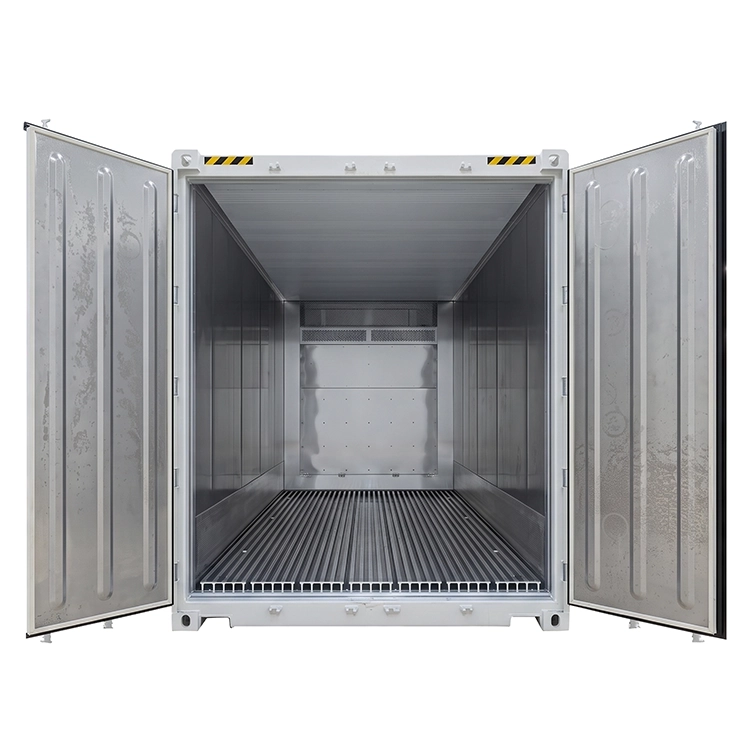
How Can a Container Cold Room for Root Vegetables Extend Freshness and Reduce Post-Harvest Losses
Maintaining the freshness and commercial quality of root vegetables during long-term storage and transportation is a major challenge for agricultural producers, food distributors, and cold chain operators. A professionally engineered Container Cold Room for Root Vegetables from Paulair provides a flexible solution through precise temperature regulation, active humidity management, optimized airflow, and reliable thermal insulation. Designed for potatoes, carrots, onions, ginger, and sweet potatoes, this modular refrigeration system helps minimize moisture loss, control sprouting, and protect produce quality throughout storage and transportation.
 02 2026-11
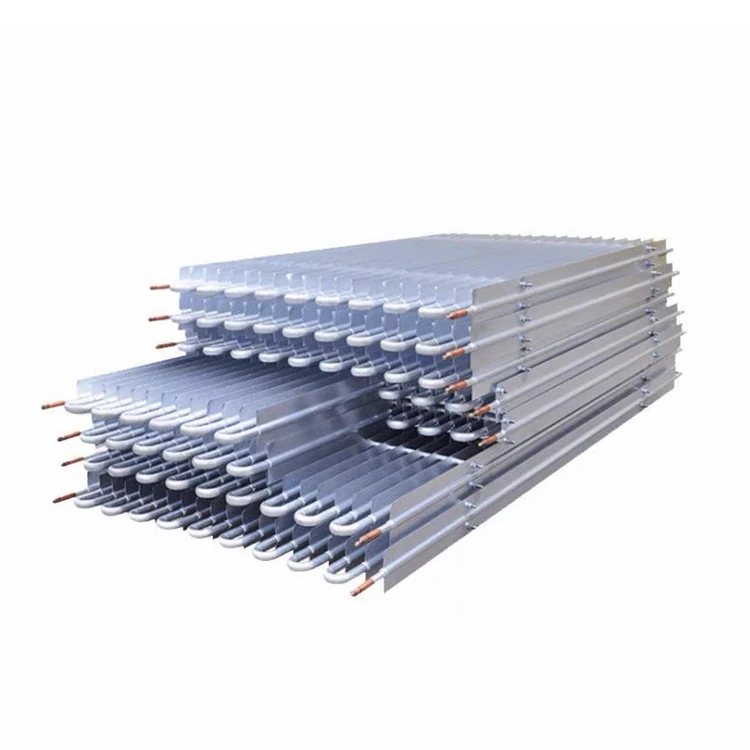
How Can a Container Refrigeration Room Aluminum Finned Tube Improve Cold Storage Efficiency and Temperature Stability
Maintaining stable temperatures, protecting stored products, and controlling operating costs are essential for modern cold storage facilities. A Container Refrigeration Room Aluminum Finned Tube provides an effective natural-convection heat exchange solution for applications that prioritize long-term temperature stability and reduced moisture loss. Paulair specializes in project-oriented refrigeration equipment solutions, offering customized aluminum finned tube configurations according to cold room dimensions, storage temperatures, refrigeration capacity, and specific operating requirements.
 26 2026-10
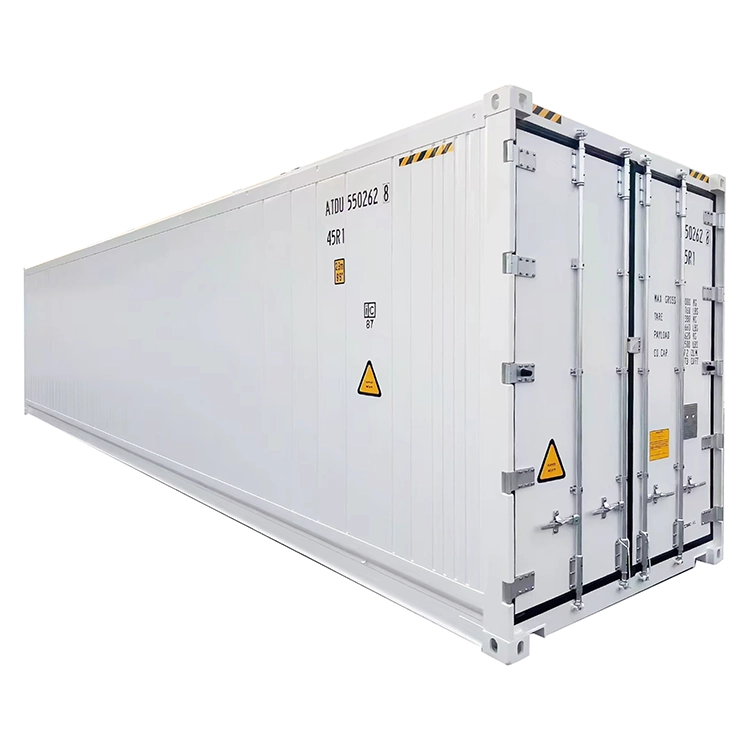
How Can a Container Cold Room for Green Vegetables Keep Produce Fresher and Reduce Post-Harvest Losses
A Container Cold Room for Green Vegetables provides a practical way to manage temperature, humidity, airflow, and storage conditions for fresh produce after harvesting. For farms, vegetable wholesalers, food distributors, and agricultural businesses, choosing the right cold storage solution can help preserve freshness, maintain product quality, and improve supply chain efficiency. This guide explains how container cold rooms work, which factors influence storage performance, and how to select a suitable system for your operation with guidance from Paulair.
 09 2026-10
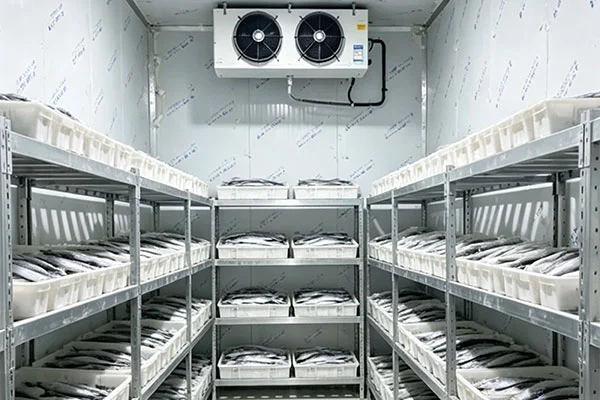
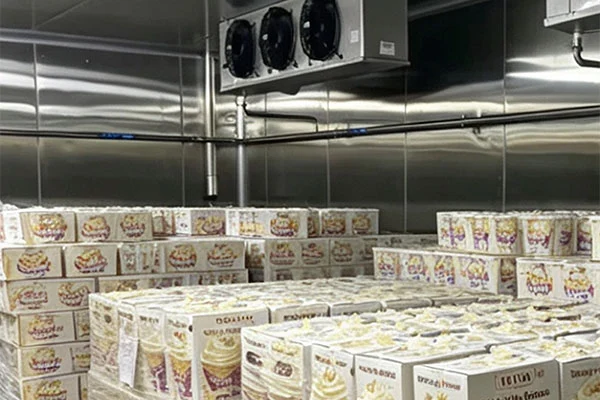
Container Blast Freezer Room Improves Food Processing Efficiency
Facing the need for rapid freezing of large quantities of food, the container blast freezer room demonstrates clear advantages in food processing thanks to its powerful refrigeration capacity and compact structure.
 09 2026-10
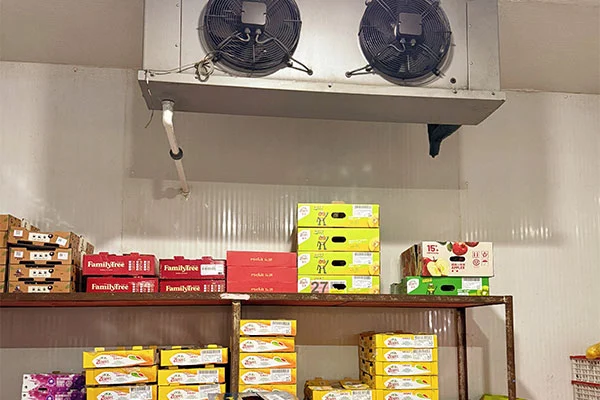
Container Freezer Room Meets Low-Temperature Storage Needs
In the meat, seafood and frozen food industries, low-temperature storage is not a single set point but a range of operating conditions. A container freezer room that holds -18°C on paper may struggle when warm product enters in large batches, when doors open frequently, or when summer ambient temperatures push the condensing unit beyond its comfort zone. For processors and distributors, the practical question is not whether a unit can reach a target temperature, but whether it can hold that temperature consistently under real loading patterns.
 09 2026-10
Container Cold Room Supports Fresh Supply Chain Upgrades
Fresh food supply chains have changed faster than most cold storage infrastructure. E-commerce orders arrive in smaller batches and shorter cycles, cross-border trade moves perishable goods across longer distances, and consumers expect consistent quality from origin to shelf. For producers, distributors and logistics providers, the bottleneck is often not the refrigerated truck but the first and last storage points: the origin collection point, the distribution hub and the temporary holding area.