

Container Cold Room for Beans
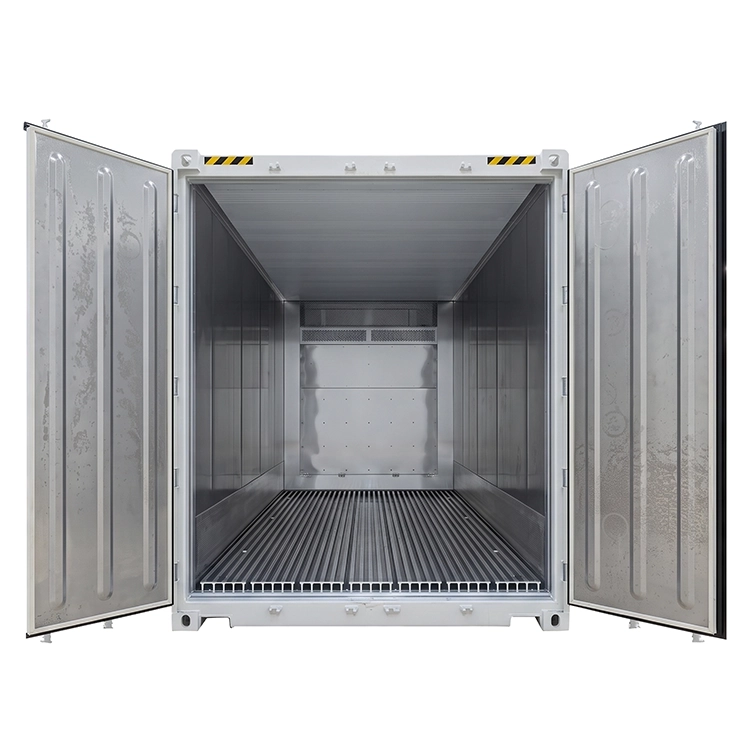
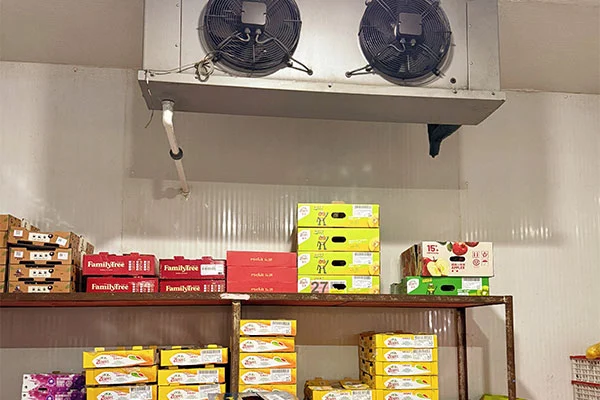
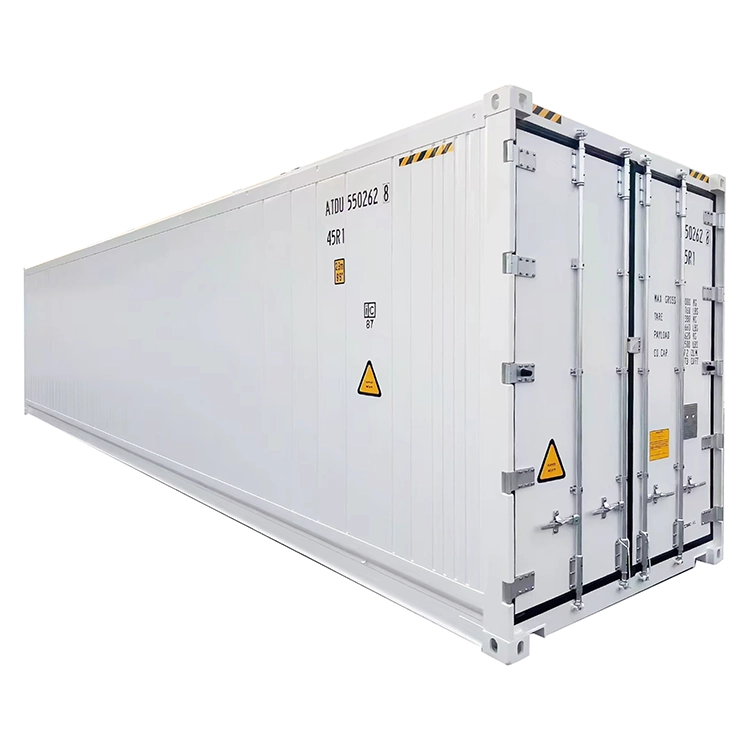
Designed for the cold chain transport and storage of tofu, cured meats, and cooked foods, this Container Cold Room for Beans integrates cooling, insulation, temperature monitoring, and flexible loading. Customizable in temperature, capacity, and structure, it ideally suits cold storage, regional distribution, long-distance transport, and transshipment.
Tofu, bean curd, cooked preserved foods and other high-hydrated foods have very high requirements for temperature stability, hygiene conditions, packaging status and handling efficiency during storage and transportation. Especially in high-temperature environments or during long-distance transportation, if the product's entry temperature is too high, the refrigeration temperature fluctuates significantly, or the handling time is too long, it may accelerate the quality changes.
As a manufacturer of cold chain equipment, we design corresponding container refrigeration solutions for bean products and cooked foods based on product type, packaging form, loading capacity, transportation distance and usage environment. The equipment can be used for temporary refrigeration, direct delivery from the production site, regional distribution and cold chain transfer. It can also be configured with temperature monitoring, internal shelves, pallets and remote monitoring functions according to project requirements.
What problems need to be solved when storing cooked soy products in the container cold storage?
The temperature before storage should not be confused with that of the container cold storage.
The function of container cold storage is to maintain the transportation and storage environment, rather than being a rapid cooling device that replaces the food processing stage. For freshly processed soy products and cooked foods, the cooling process should be completed according to the specific food processing requirements of the products, and then they should be transported in refrigerated conditions.
Therefore, during the project design phase, we will pay attention to the temperature of the product when it enters the container, the single batch loading volume, the packaging form, and the estimated transportation time. For products that require rapid cooling, corresponding pre-cooling or cooling equipment should be configured based on the actual process, rather than relying on transportation container cold storage to directly handle a large amount of high-temperature goods.
Temperature stability is more important than merely pursuing extremely low temperatures.
The specific storage temperatures for soy products and cooked foods should be based on the product's processing method, packaging method, and applicable food standards. It is not recommended to use a single fixed temperature for all products. container cold storage maintain the set environment through the refrigeration system, temperature sensors, and control system, reducing the impact of temperature fluctuations during transportation. The actual temperature range and control accuracy are determined according to the equipment configuration and product requirements.
The packaging and loading methods affect the refrigeration effect.
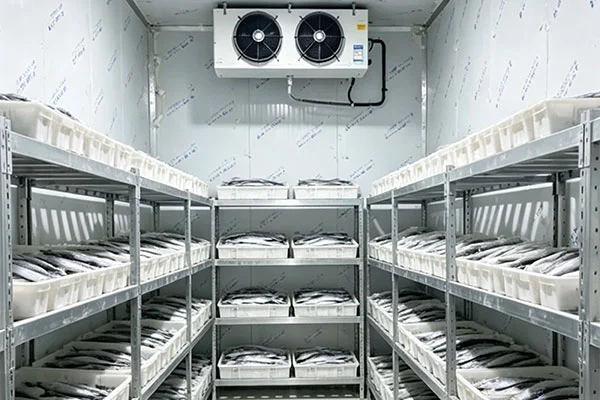
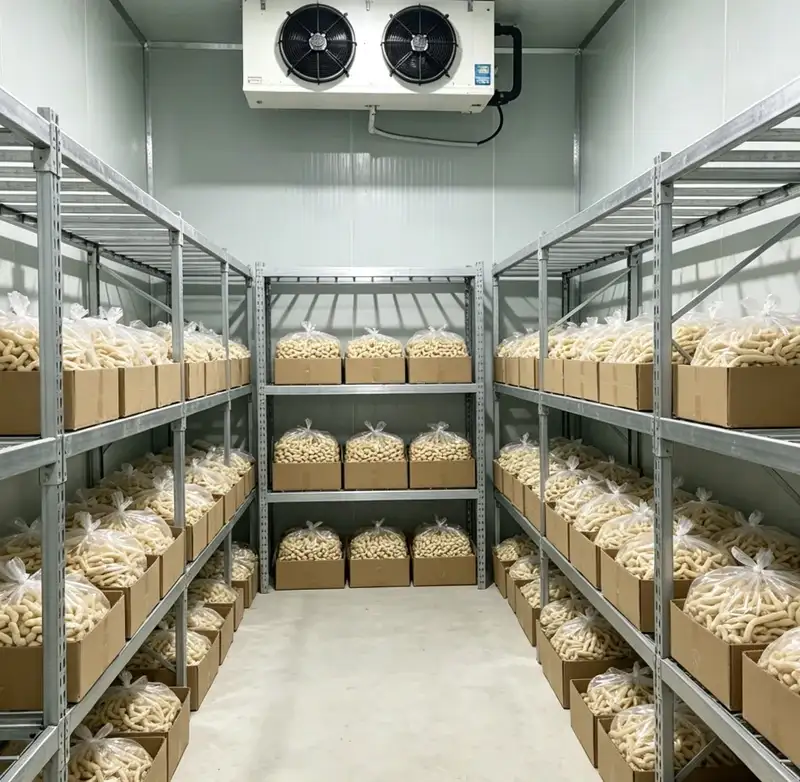
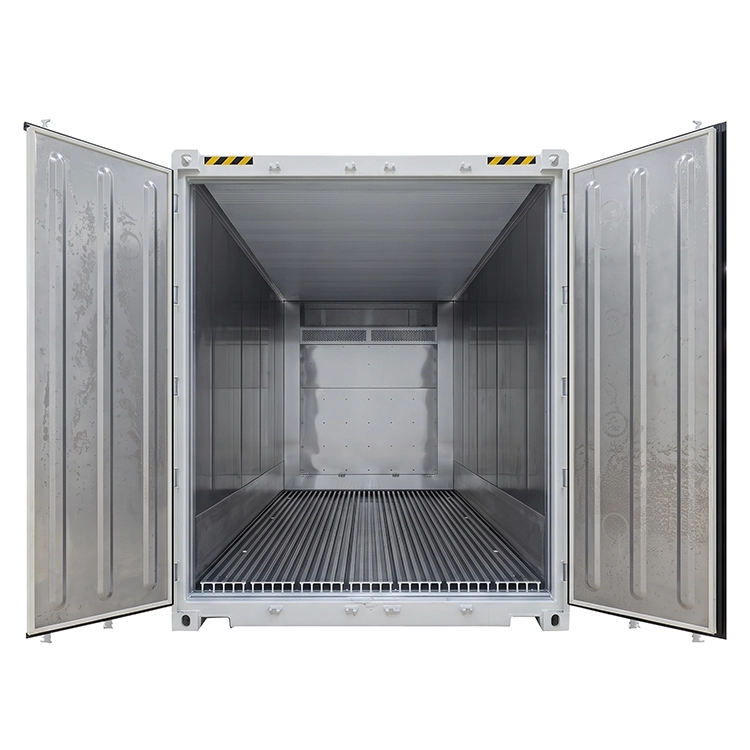
Different methods such as vacuum packaging, modified atmosphere packaging, turnover boxes, and pallet loading have different requirements for air circulation and heat transfer within the containers. Overcrowding of goods may also affect the circulation of cold air, causing some areas to cool down more slowly. Therefore, internal shelves, pallets, and loading spacing can be designed according to the packaging size of the products to make the loading and unloading of goods more convenient, while also reserving necessary space for the circulation of cold air.
Core engineering design
Stable cooling and temperature control
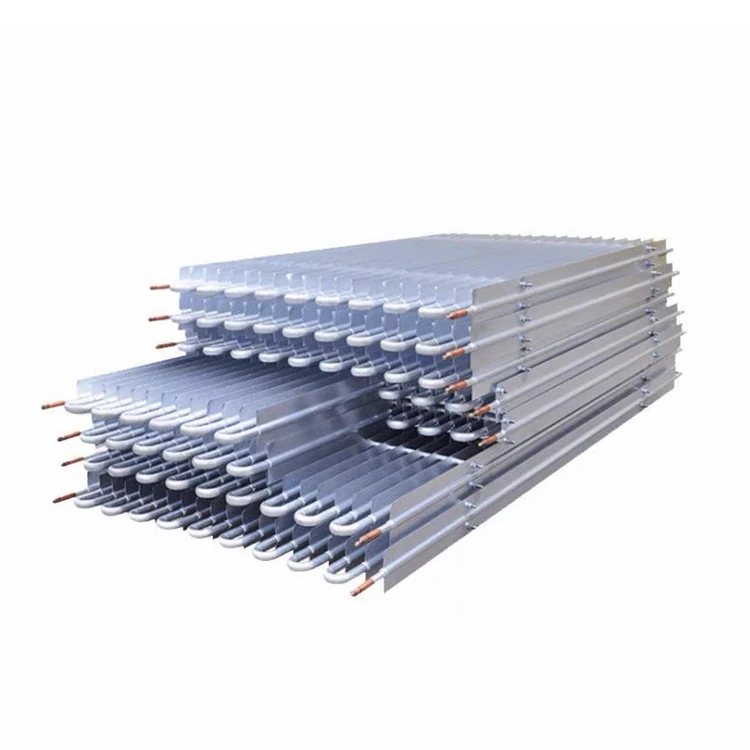
The equipment is equipped with a refrigeration system and an intelligent control system, which automatically adjusts the refrigeration operation status according to the set temperature. Temperature sensors continuously collect the environmental data inside the container, helping the operators monitor the refrigeration status. For different types of bean products, cooked foods, and packaged products, corresponding temperature ranges can be set according to the actual storage requirements. The specific temperature control range, accuracy, and refrigeration capacity of the equipment are subject to the actual configuration.

Sealing design of the insulation container body and the door body
The insulation structure of the container directly affects the heat loss of the equipment and the operating load of the refrigeration system. According to the project requirements, insulation materials such as polyurethane can be used to construct the insulation layer of the container, and the external hot air can be reduced by the sealing structure of the door. If the project requires long-term operation or use in a high-temperature environment, the refrigeration load needs to be calculated in combination with the local ambient temperature, the size of the container, the frequency of opening the door, and the temperature of the goods, rather than simply choosing the refrigeration unit based on the size of the container.

Customized internal shelf and pallet structure
For different products such as tofu, bean curd, preserved meats and pre-packaged cooked foods, internal shelves or support structures can be designed based on the size of the turnover container, pallets and the requirements for single-layer load-bearing. Reasonable layering loading can improve the space utilization rate and provide a clearer operational space for loading and unloading, inventory checking and batch management.
Temperature data and remote monitoring
According to the project requirements, an IoT monitoring module can be configured to record data on the temperature inside the container and the operating status of the equipment, and to allow remote viewing. In case of abnormal temperature, the alarm function can alert the managers to handle it promptly. Remote monitoring is mainly used for the management of the cold chain process and tracking of abnormalities, but it cannot replace the quality inspection or hygiene management of the food itself.

main technical specifications
| Items | parameters |
| product name | Container Cold Room for Beans |
| applicable products | Tofu, bean curd sticks, cooked foods, marinated products and other refrigerated foods |
| container cold storage specifications | 20ft / 40ft / Customized non-standard |
| Temperature control range | 0℃~4℃ |
| heat conductivity coefficient | 0.018~0.024 W/(m·K) |
| Refrigeration Unit | Scroll Refrigeration unit |
| Cooling capacity | 80~120 W/m³ |
| Insulation layer material | PU |
| insulating layer thickness | 100mm |
| control system | PLC intelligent control |
| temperature monitoring | real-time monitoring |
| remote control | available |
| automatic defrosting | available |
| Container material | galvanized steel |
| max loading | 20ft: 27.5~27.8 tons; 40ft: 29.2~29.7 tons |
| Internal shelves | available |
| Tray structure | available |
| customized service | available |
| applications | Refrigerated storage / Cold chain transportation / Transit storage |
The configuration ideas for different bean products and cooked foods
Bulk tofu and high-hydrated bean products
Bulk tofu is sensitive to temperature, hygiene and loading methods. During project design, it is essential to confirm whether the product requires water environment preservation, the size of the turnover container, the weight per container, the loading density, and the transportation time. Then, decisions can be made regarding internal pallets, shelves, and the circulation of cold air. If the product is preserved by water immersion, the water quality, water change frequency, and hygiene management are part of the food operation process. They should be carried out in accordance with actual production and food safety requirements, and cannot be solved solely by container cold storage.
Bean curd and pre-packaged soy products
For vacuum-packed or other sealed-packed bean curd, during refrigerated transportation, the main focus is on the product's specified storage temperature, packaging integrity, and temperature records. The contents in the box should not be overly densely packed to avoid affecting air circulation. For products with clear packaging storage conditions, the temperature setting of the refrigeration equipment should be based on the product label, process requirements, and applicable standards.
Meat and vegetable preserved products and cooked food products
Pre-prepared foods usually have higher requirements for hygiene and temperature control. container cold storage can be used for cold chain storage, regional distribution and transfer transportation after processing. However, before the products enter the equipment, they still need to undergo necessary cooling and packaging treatment according to their own production processes. For different types of pre-prepared foods, corresponding internal loading schemes can be designed based on packaging size, turnover box specifications and distribution routes.

Applications
Processing plant to regional distribution center
Processed and refrigerated products such as soybean products and cooked foods that meet the specified refrigeration conditions can be transported regionally or stored in container cold storage. The equipment serves as an independent refrigeration space, which helps reduce the reliance on fixed cold storage space during transportation.

Direct delivery from the origin and long-distance transportation
For soy products and cooked foods that require cross-regional delivery, the corresponding refrigeration capacity can be configured based on the transportation distance, environmental temperature and loading volume. The cold chain status during transportation can be understood through temperature records.

Logistics park and cold chain transfer center
When there is seasonal storage demand at the logistics center or the fixed cold storage capacity is insufficient, container cold storage can be used as supplementary refrigeration space. The equipment can be flexibly arranged according to the site conditions and is suitable for temporary expansion and regional transfer.

Supermarkets and fresh food distribution centers
For supermarkets, catering delivery companies and fresh food supply chain enterprises, the equipment can serve as the refrigerated storage space for distribution nodes. The internal structure can be customized according to the specifications of turnover container and pallets to enhance the daily loading and unloading efficiency.

Manufacturing and Quality Control
Start the equipment design by calculating the cooling load
For customized projects, we first determine the container size, product type, initial temperature of the goods, target temperature, loading volume, local ambient temperature, and door opening frequency, etc. Then, we determine the refrigeration system and insulation structure. This design approach can avoid choosing equipment based solely on "20ft or 40ft", while ignoring the differences in refrigeration load caused by actual goods and the usage environment.
container body manufacturing and insulation structure control
During the production process, the container structure, insulation layer, door body and sealing components are processed and assembled. The thickness, material properties and specific structure of the insulation layer comply with the project design requirements.
Installation and commissioning of the refrigeration system
After completing the installation of the refrigeration unit, control cabinet, sensors and related wiring, the system is put into operation for testing, and the normal operation of the refrigeration equipment, temperature control and protection functions is checked.
Factory performance test
After the equipment is manufactured, relevant inspections such as refrigeration operation, temperature control, sealing and electrical system checks will be carried out based on the actual configuration. For special projects, continuous operation or simulation of actual working conditions tests can be added according to the contract requirements. The specific test items, test times and acceptance criteria shall be in accordance with the equipment configuration and project technical agreement.

Production site and manufacturing
Factory manufacturing process
The product page is recommended to showcase the actual production site, including the processing of the container, the construction of the insulation layer, the installation of the refrigeration unit, the wiring of the control system, the installation of the internal structure, and the overall commissioning of the machine. Compared to simply showing photos of a "modern factory", the real production process can better help purchasers assess whether the supplier has the actual manufacturing capabilities.
Testing and Debugging Records
If the company has the factory inspection forms, temperature test records, refrigeration performance test reports or equipment commissioning records, the original and privacy-protected data can be displayed on the page.

Why choose our Container Cold Room for Beans?
Configure the refrigeration system according to the product and transportation conditions
We do not merely recommend refrigeration equipment based on container size. Instead, we configure it by considering product temperature, loading volume, ambient temperature and transportation conditions, so as to ensure that the equipment capacity matches the actual usage requirements.
The container body, refrigeration system and internal structure can be designed together.
For customized projects, the box insulation structure, refrigeration system, control system and internal shelves can be considered together to reduce the matching issues among different equipment in the later stage.
Adapt for different purposes such as storage, transportation and transfer
The same type of refrigeration equipment for bean products can be used for storage in factories, long-distance transportation or logistics transfer. Different usage methods have different requirements for refrigeration capacity and opening frequency. We can adjust the equipment plan according to the actual use.
Provide complete technical support from the planning stage to the after-sales service period.
From the initial requirement confirmation, project design, equipment manufacturing to installation and commissioning, we provide corresponding technical support. After the equipment is delivered, authorized service personnel can be arranged to carry out maintenance based on regional and project conditions, and remote technical guidance will also be provided.

Pre-sale and after-sale services
Pre-sale demand analysis
When customers make inquiries, we will focus on confirming information such as product types, packaging methods, single batch weight, target temperature, storage temperature, transportation time, operating regions, and whether remote monitoring is required. These parameters directly affect the cooling capacity, container structure and internal loading design. Therefore, confirming these details in advance can reduce the time for making subsequent modifications.
Equipment installation and commissioning
After the equipment is delivered, installation and commissioning guidance will be provided according to the project requirements, and product manuals and basic operation training will also be offered. For projects that require on-site technical support, service personnel can be arranged based on the region and contract agreement.
Fault Handling and Technical Support
If technical malfunctions occur during the operation of the equipment, the after-sales team can make remote judgments based on the fault phenomena and arrange for handling by leveraging the authorized service resources in the relevant region. For issues that require on-site resolution, technicians can be further coordinated for maintenance. In emergency situations, technicians can assist customers in checking the control system, temperature parameters, and equipment operation status via remote means, thereby minimizing the equipment downtime as much as possible.
Certificates:


FAQ
1. Can tofu and cooked food be stored at the same refrigeration temperature?
It is not recommended to adopt a uniform temperature. The processing methods, packaging forms and storage requirements for different products vary. The actual set temperature should be determined based on the product process, label requirements and applicable standards.
2. Can the Container Cold Room for Beans directly cool down freshly cooked food?
It is not recommended to use ordinary transport container cold storage as rapid cooling devices. When a large number of high-temperature products are placed inside the container, it will increase the cooling load and may also affect the refrigeration environment of other goods. Products should undergo necessary cooling according to their own processes before entering the refrigerated transportation stage.
3.Can 20ft and 40ft containers be customized?
Yes. 20ft and 40ft are common specifications. At the same time, non-standard customization can also be carried out according to the requirements of the site, vehicles, loading capacity and internal structure.
4. Can shelves be installed inside the container cold storage?
Yes. Shelves, pallets and supporting structures can be customized according to the size of the turnover container, the packaging specifications of the products, and the loading methods.
5. Can it be used for preserving tofu in brine?
The equipment can be configured with corresponding water tanks or supporting structures according to the project requirements. However, aspects such as water quality, water replacement, and hygiene management fall under specific food operation procedures and need to be carried out in accordance with product processes and hygiene standards.
6.Can the temperature during the transportation process be monitored?
The temperature recording and IoT remote monitoring functions can be added based on the equipment configuration, enabling functions such as viewing operation data, historical records, and abnormal alarm notifications.
7.How to determine the size of the refrigeration unit required?
The container size, product loading capacity, temperature when the goods enter the container, target temperature, local ambient temperature, insulation structure and door opening frequency all need to be taken into comprehensive consideration. The cooling capacity cannot be accurately determined merely based on the 20ft or 40ft size.
8.Can it be used for long-distance land transportation?
Yes. The corresponding equipment needs to be configured based on the transportation distance, transportation time, vehicle power supply conditions, local environmental temperature and the loading quantity of the goods, and it is necessary to ensure that the entire transportation process meets the cold chain requirements of the products.
9.Can it be used as a temporary cold storage facility?
10.Could you design the plan based on my product?
Yes. It is suggested that you provide information such as product type, packaging method, maximum weight per batch, target temperature, storage temperature, transportation distance, transportation time and usage area. Based on this information, we can carry out equipment configuration and project design.
How to choose the appropriate container cold storage for soybean-based cooked food?
When choosing equipment, it is not recommended to simply tell the supplier "We need a 20ft or 40ft container cold storage". What truly affects the equipment configuration is what the product is, at what temperature it enters the container, to what temperature it needs to be lowered, how much can be loaded at one time, how long it will be transported, where it will be used, and how often the door needs to be opened.
Once these information are determined, we can then proceed to calculate the cooling load, select the insulation structure, determine the internal loading method, and assess whether temperature recording, remote monitoring or other functions are required. If you are purchasing refrigerated containers for storing soy products or cooked foods, you can directly provide the above parameters. We can then design a customized solution based on the actual working conditions.

Send Inquiry
Contact Info
-
Address
Xinyuan Avenue, Sangzidian Subdistrict, Tianqiao Borough, Jinan City, Shandong Province, China
-
Tel
-
Submit your project specifications to receive tailored guidance, technical drawings, and cheap factory-direct wholesale pricing from our engineering team today.
Related Products
News Recommendations