

Container Cold Room for Yogurt and Cheese
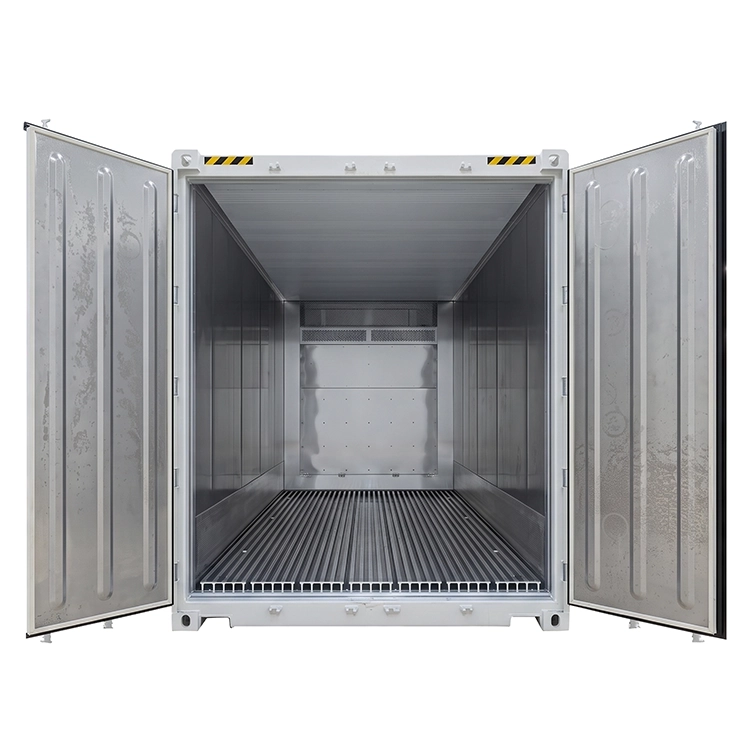
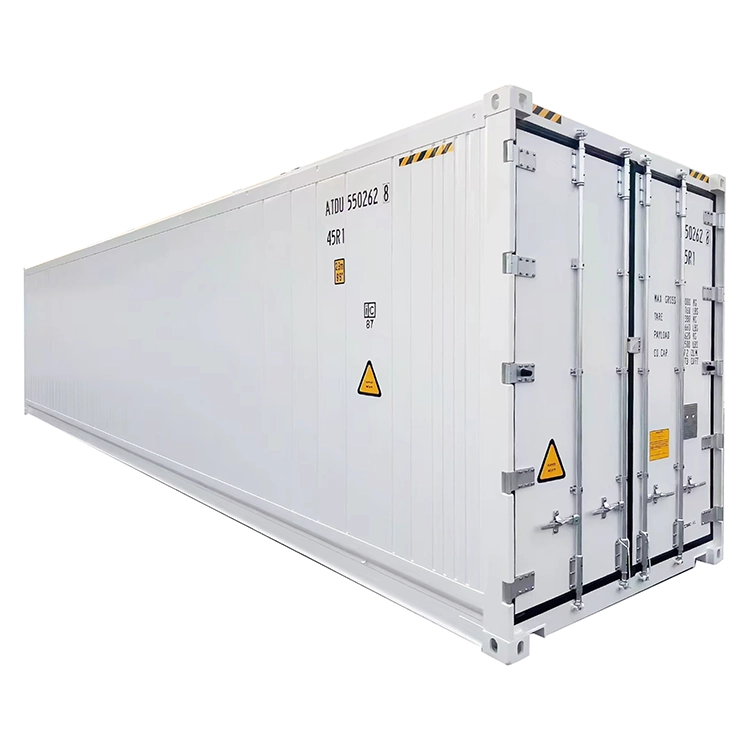
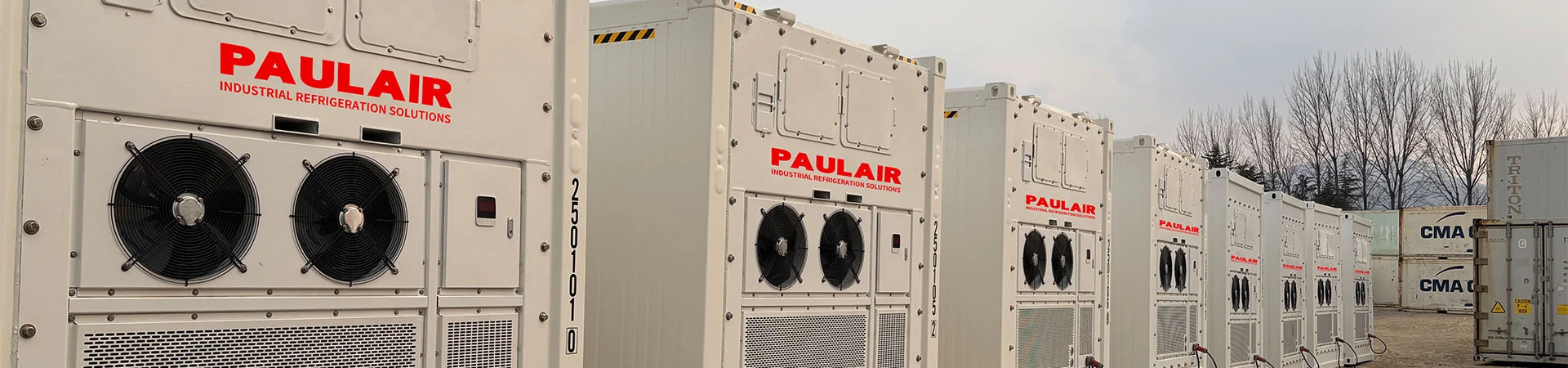
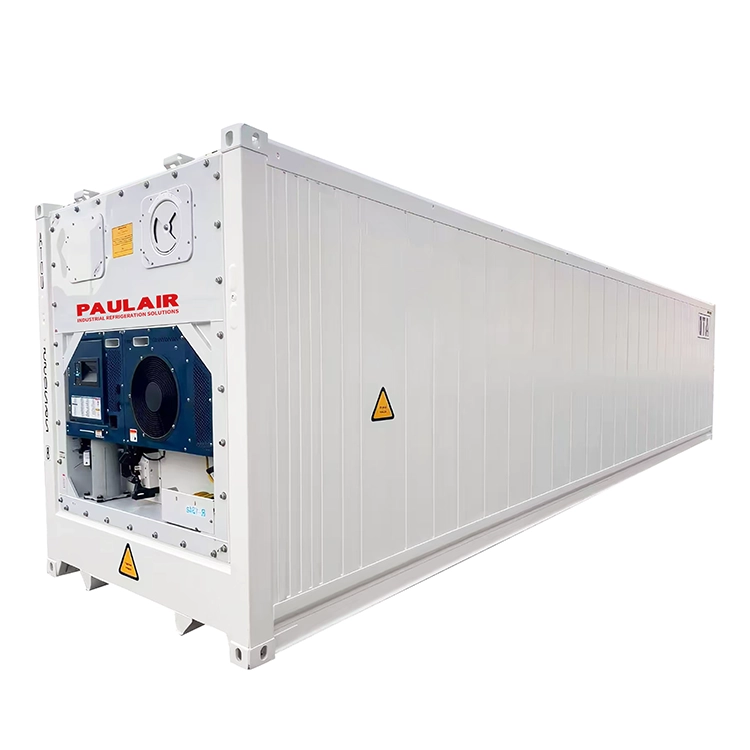
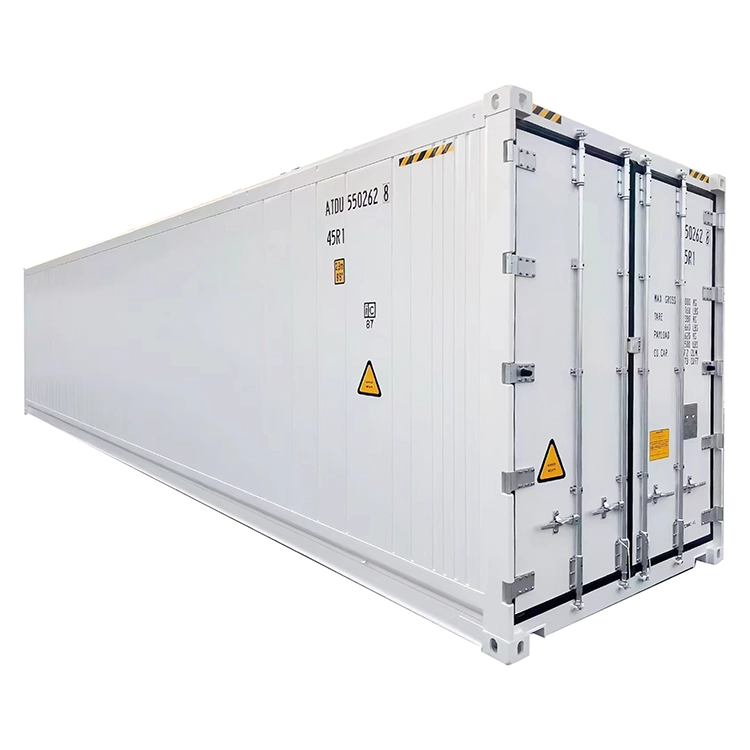
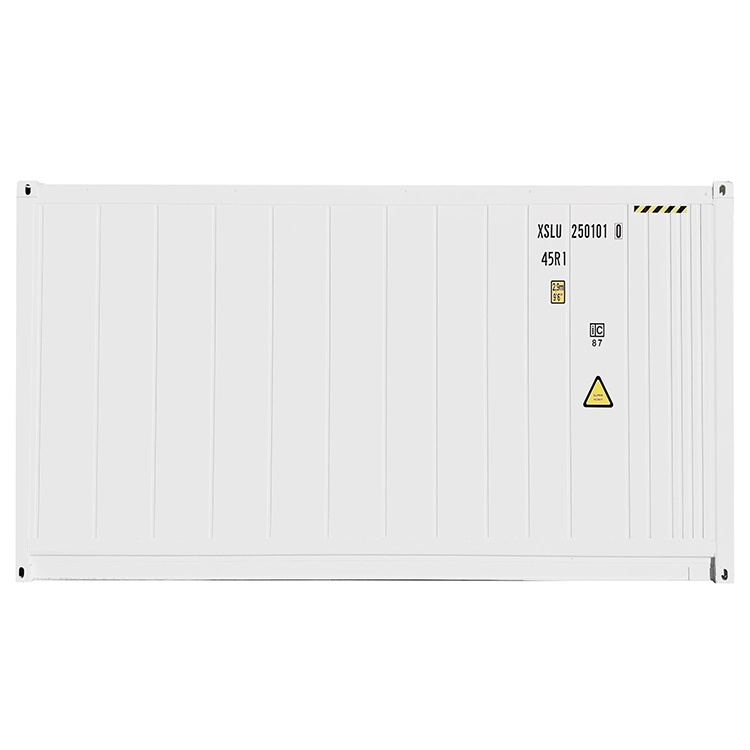
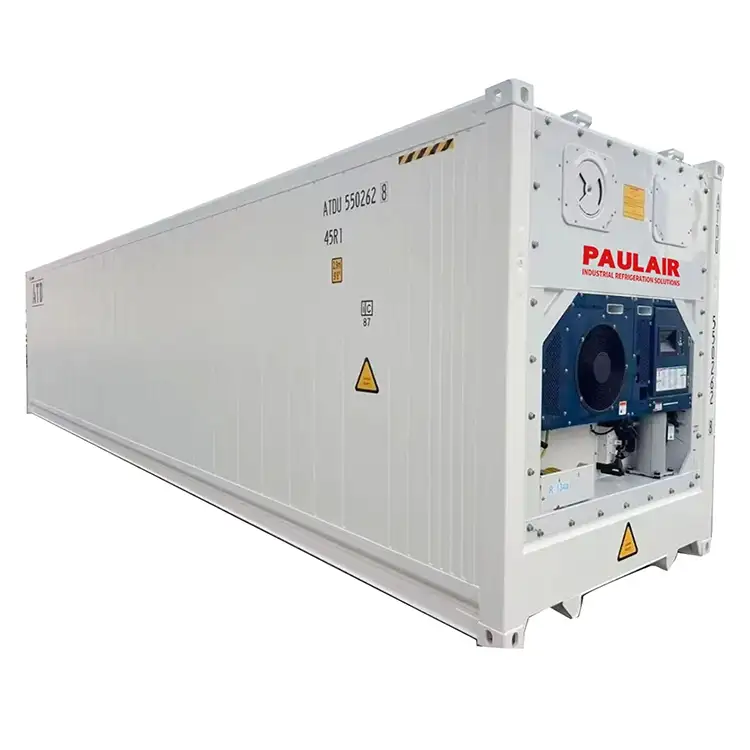
Offering versatile 20ft and 40ft configurations, this Container Cold Room for Yogurt and Cheese provides custom refrigeration, insulation, and temperature control for yogurt, soft cheese, and semi-hard cheese. It bridges the gap between static storage and cold chain transport across dairy processing facilities, logistics networks, and distribution centers.
After yogurt and cheese have completed fermentation, cooled and packaged, they still require a stable storage and transportation environment. During the actual cold chain process, frequent opening of the container, changes in environmental temperature, the density of goods loading, and the stacking method of pallets can all cause temperature variations in different areas within the container. If the selection of refrigeration capacity, air circulation or insulation structure is inappropriate, problems such as local high temperature, cold air short circuiting, and inconsistent cooling speed of the goods may occur.

The Container Cold Room for Yogurt and Cheese integrates the insulation container, refrigeration system, air circulation and temperature control within a movable unit. Unlike adding refrigeration equipment to ordinary containers, this solution requires determining the refrigeration capacity based on the actual heat load of the goods and the operating conditions, and configuring it in combination with the insulation performance of the container, the air return and supply paths, the loading method and the frequency of opening the door.
For the finished yogurt products that have been fully pre-cooled, the system mainly undertakes the task of maintaining stable temperature and compensating for heat during transportation; if the temperature of the goods is high when they enter the container cold storage, additional cooling loads and the required cooling time should also be considered. Therefore, the selection of equipment cannot be determined solely based on "20ft or 40ft" to determine the cooling capacity; instead, it should be calculated according to the actual usage conditions.

Temperature control plans for different dairy products
Yogurt refrigeration and transportation
Yogurt is usually quite sensitive to temperature fluctuations. For yogurt that has completed production and reached the specified storage temperature, the main task of the constant temperature container is to reduce temperature changes during transportation and storage. Common refrigeration temperatures can be used as a reference for the design, but the final setting value should be based on the product label, customer technical requirements, and applicable food standards.

Typical applications:
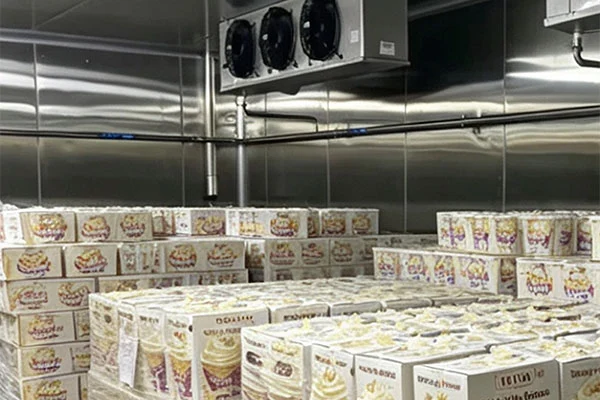
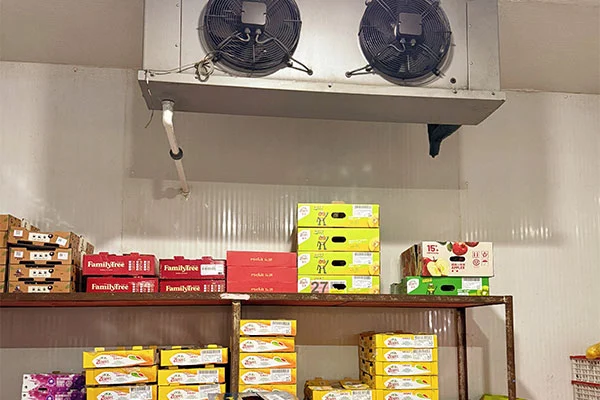
During the peak production period of the dairy factory, there was a shortage of cold storage capacity. Therefore, insulated container cold storage could be used as temporary refrigeration spaces. For the pre-cooled finished products, the focus should be on the uniformity of the internal temperature, the insulation performance, and the temperature recovery ability during frequent loading and unloading.
Cheese refrigeration and rotation
The storage conditions of cheese are closely related to the type of product. Soft cheese, mature cheese, and different packaging forms of cheese have different requirements for temperature, humidity and air flow. For mature cheese with sealed packaging, stable temperature is usually the main control factor; for some soft or cheese that requires a specific maturation environment, humidity and air velocity also need to be considered to avoid excessive drying on the surface or local condensation.
When cheese producers deliver their products to different regions, they need to maintain the prescribed storage conditions during long-distance transportation. By configuring temperature control and air circulation systems according to the product type, the quality fluctuations caused by temperature changes during transportation can be reduced.

The refrigeration capacity is determined based on the actual heat load.
The cooling capacity of a constant-temperature container cold storage is not necessarily the larger the better. If the cooling system is too small, it may not be able to promptly compensate for the heat load brought by the goods and the environment. Simply increasing the cooling capacity cannot solve the problems of insufficient air circulation and poor insulation performance.
The selection of the refrigeration system usually requires consideration of the following factors:
| design factor | The impact on equipment selection |
| cargo weight | Determine the main cargo heat load |
| The temperature of the goods when they enter the container | Influence on the initial cooling load |
| Target storage temperature | Determine the operating range of the refrigeration system |
| The required cooling time | Influence the required cooling capacity |
| environment temperature | Affecting the heat dissipation of the box and the operating conditions of the condenser |
| Frequency of opening the door | ncrease the amount of hot air and humid air entering |
| Pallets and stacking methods | Influence on the circulation of cold air |
| load distance | Impact on continuous operation time and control requirements |
| The insulation performance of the box body | Determine the rate at which external heat enters |
For goods that have already been pre-cooled, the main focus of the equipment is to maintain the temperature; for goods with high temperatures, the cooling capacity and the target cooling time need to be recalculated.

Insulation container structure
The insulation performance of the container cold storage directly affects the operating energy consumption and temperature stability of the constant-temperature container. The common solution involves using an insulation sandwich structure, and choosing appropriate insulation materials, thickness, floor and door structure based on the usage environment.
| Items | configuration |
| container cold storage specification | 20ft / 40ft / Customized non-standard |
| thermal insulation material | PU |
| Thickness of the insulation board | 100mm |
| Internal dimensions of the container body | 20ft: 5.44m(L)*2.29m(W)*2.16m(H) 40ft: 11.56m(L)*2.29m(W)*2.16m(H) |
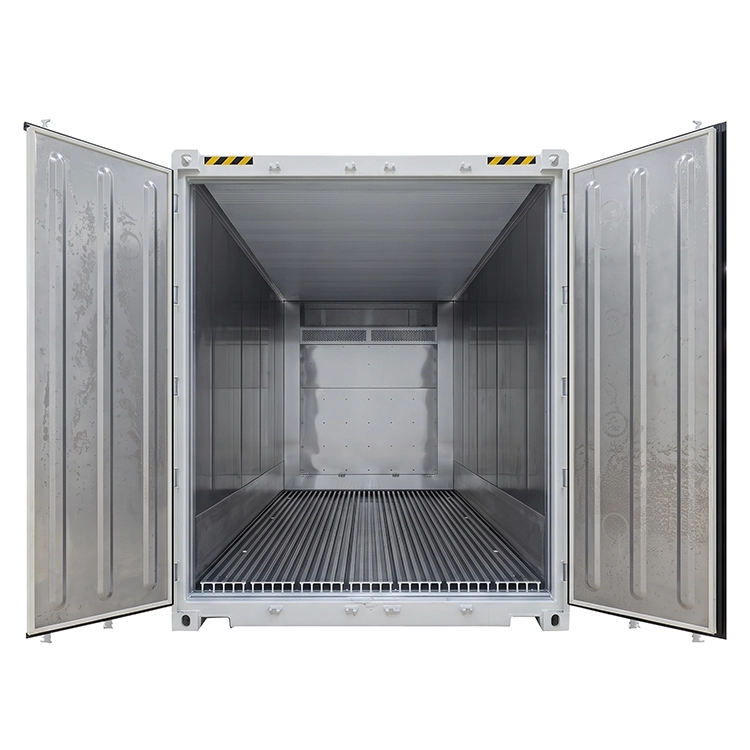
| Floor material | Aluminum floor |
| Door structure | Sealed double-door |
| Refrigeration Unit | Scroll Refrigeration unit |
| temperature range | 2℃~6℃ |
| maximum loading | 20ft: 27,290~27,550kg 40ft: 29,200~30,620kg |
For equipment used in high-temperature environments, particular attention should be paid to the comtainer seams, door seals and floor insulation, rather than merely comparing the thickness of the insulation boards.

Air circulation and cargo storage
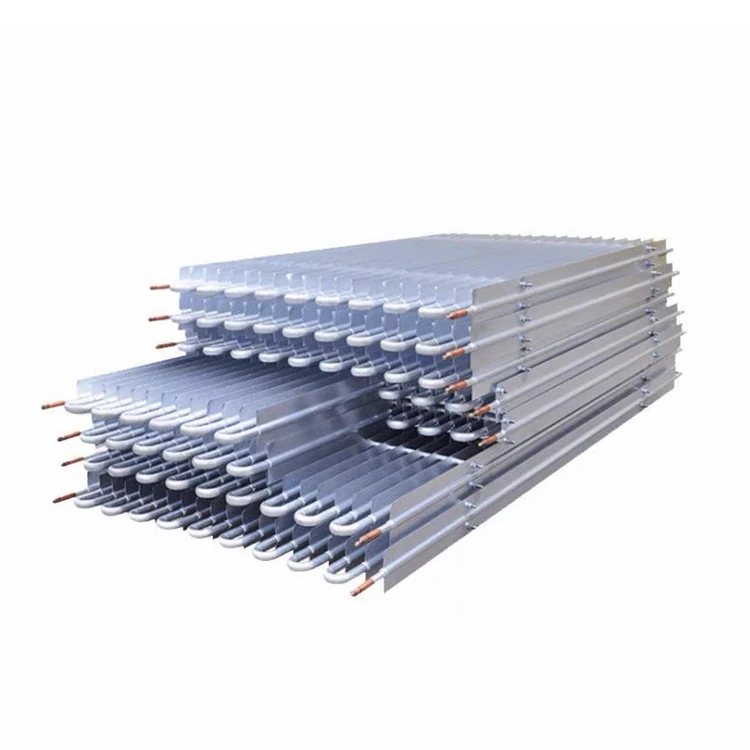
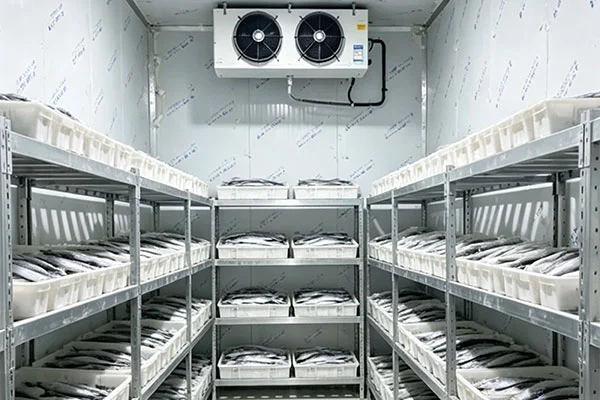
Whether the temperature inside the constant-temperature container is uniform depends not only on the refrigeration unit, but also on the air supply, return air, and the stacking of goods. If the pallets are too close to the container walls, if the goods are stacked too high or block the return air area, it may cause the cold air to fail to circulate normally. For high-density loaded yogurt or cheese products, reasonable air circulation space should be reserved.

Typical applications
When the yogurt trays are arranged continuously and nearly full, if the cold air can only concentrate on the side close to the evaporator, the goods at the far end may experience a slower cooling rate. Therefore, in the actual project, the air circulation path should be designed based on the tray size, loading direction and channel width.
humidity control
Not all yogurts and cheeses require their own independent humidity control systems.
For sealed packaging of yogurt, temperature stability is usually given top priority; for some cheese products, if there is moisture loss, surface condition change or condensation risk during storage, humidity monitoring, humidification or dehumidification functions can be added according to product requirements.
The humidity setting should be determined based on the specific type of cheese, packaging method, storage time and the customer's processing requirements, rather than using a uniform humidity parameter for all products.
Humidity control range: 2℃ - 6℃
Humidification/Dehumidification Method: Automatic Humidification/Dehumidification

Odor Treatment
Some mature cheeses have a rather distinct smell. If the cheese is transported in the same space as odor-sensitive products such as yogurt, priority should be given to packaging sealing and cargo segregation to prevent direct mixing of different products. For special projects, air filtration or auxiliary adsorption devices can be configured according to actual needs.
Odor control should typically involve: sealed packaging → reasonable zoning → independent transportation → air filtration/adsorption assistance, rather than relying solely on filtering equipment to solve the odor crossover problem between different foods.
Intelligent temperature control and remote monitoring
According to the project requirements, the constant-temperature container can be equipped with functions such as digital temperature control, temperature recording, humidity monitoring, remote data transmission and abnormal alarm.
For long-distance cold chain transportation, remote monitoring can help logistics and storage personnel understand the temperature changes inside the containers. When the temperature exceeds the set range, abnormalities can be detected promptly through alarms, reducing the risk of the cold chain being interrupted after the goods reach their destination.

Optional functions:
Digital temperature control
Temperature data recording
Humidity monitoring
Remote monitoring
Over-temperature alarm
Door status monitoring

20ft and 40ft temperature-controlled container cold storage
Different container sizes can be selected according to the actual loading capacity.
The 20ft temperature-controlled container cold storage is suitable for small to medium-sized batch refrigeration, regional distribution, and expansion of temporary cold storage facilities.
The 40ft temperature-controlled container is suitable for the transportation of large quantities of dairy products and centralized cold chain storage, which can enhance the loading capacity of a single transportation.
The actual loading capacity is not only determined by the volume of the container, but also affected by the size of the pallet, the packaging of the goods, the stacking height, the distance of air circulation, and the maximum allowable load.
Manufacturing and Quality Control
The manufacturing quality of the constant-temperature container is not only reflected in the refrigeration unit itself, but also encompasses multiple aspects such as the insulation of the container body, the sealing of the door, the electrical system, temperature control, and air circulation.

Key control points during production:
Insulation board splicing and box body sealing
Door body sealing performance
Installation of the refrigeration system
Refrigerant system leak detection
Electrical wiring and protection
Temperature control system debugging
Fan operation and air circulation operation
Overall machine operation test
Temperature control function test
factory test items:
Inspection of raw materials and main components
Air tightness test of the refrigeration system
pressure test
vaccum test
electrical safety testing
Refrigeration performance test
temperature test
Overall machine operation test
Pre-delivery inspection
For specific projects, targeted operational verification can be conducted based on the actual operating environment and use requirements.

If the product has undergone continuous operation tests, temperature uniformity tests or other performance validations, corresponding data can be provided based on the actual test reports.
Certification and applicable standards:
Based on the sales market, refrigeration system, electrical configuration and the purpose of the container, the products can be designed and manufactured in accordance with the corresponding international or local standards.
Container cold storage testing standards:
ISO 1496-2:2018,GB/T 5338.2—2023,SB/T 10797,SN/T 0981.2
Has passed the core standard framework and key tests: ISO 1496-2:2018,GB/T 5338.2—2023,SB/T 10797,SN/T 0981.2
The actual certification information shall be based on the valid certificates provided by the factory and the applicable scope of the product.
customized service
The temperature-controlled containers can be configured according to the customer's goods and transportation conditions, rather than using a single standard model. The customization options include:
Container cold storage size
Internal temperature range
Cooling capacity
Insulation thickness
Refrigeration unit brand
Power source specification
Temperature and humidity control
Air circulation mode
Shelves or partition structures
Remote monitoring
Data record
Door type
Internal size
Loading mode

The MOQ adopts a tiered pricing model. The exact price will be determined based on the specifications, quantity and configuration.
20ft:
| Purchase Amount | Price/unit |
| 1-5 | USD15000 |
| 5–10 | USD13000 |
| 10–20 | USD11000 |
| Above 20 | USD10000 |
40ft:
| Purchase Amount | Price/unit |
| 1-5 | USD25000 |
| 5–10 | USD23000 |
| 10–20 | USD21000 |
| Above 20 | USD20000 |
EXW, FOB, CIF, DDP and other trade methods are available
FOB:Qingdao Port / as customers’ requirement
Terms of Payment:30% in advance,pay the balance before delivery
Packaging:Container transportation packaging
Standard Order: Approximately 45 working days after the technical parameters have been confirmed, the contract and payment terms have been completed.
Urgent Order: Based on the production schedule and customer requirements, an urgent delivery period of approximately 30 working days can be provided.
Urgent orders must be confirmed regarding production capacity and delivery time before placing the order.
Certificates:


FAQ
1. What products can the Container Cold Room for Yogurt and Cheese store?
It is mainly applicable to yogurt, soft cheeses, semi-hard cheeses and other refrigerated dairy products that require temperature-controlled storage or transportation. The specific temperature and humidity conditions should be determined according to the product specifications.
2. What temperature should the Container Cold Room for Yogurt and Cheese be set to?
The storage requirements for different yogurt products may vary. For common refrigerated yogurt, the appropriate temperature can be set according to the product label and customer technical requirements. Not all yogurts should be set to the same temperature.
3. Can cheese and yogurt be placed in the same container cold storage?
This needs to be determined based on the product type, packaging method, storage temperature and odor conditions. For mature cheeses with obvious odors, it is recommended to adopt individual packaging, separate compartments or separate transportation methods.
4. Does the pre-cooled yogurt still require a large amount of refrigeration?
Usually, it is not necessary to select the same cooling capacity based on the cooling process from a high-temperature state. After the pre-cooled goods are placed in the container, the system mainly bears the environmental heat load, the heat load from opening the door, and the continuous cooling during transportation.
5. If the goods have not been pre-cooled, can they be directly placed in the temperature-controlled container cold storage?
The design can be based on the project requirements, but the cooling load of the goods and the time needed to reach the target temperature need to be recalculated. At this point, the refrigeration capacity cannot be simply selected based on the ordinary insulation transportation conditions.
6. Does a 40ft container cold storage necessarily have twice the refrigeration capacity compared to a 20ft container cold storage?
Not necessarily. The cooling capacity needs to take into account various factors such as the weight of the goods, the initial temperature, the target temperature, the ambient temperature, the insulation performance, and the cooling time, rather than being determined solely based on the length of the container.
7. Does cheese necessarily require humidity control for storage?
Not necessarily. Sealed packaged cheese usually focuses on temperature, while some soft or mature cheeses may require stricter control of humidity and air circulation. The specific requirements should be determined based on the specific product.
8. Can temperature-controlled container cold storage be used as temporary cold storage facilities?
Yes. In cases where dairy factories expand production, there is an increase in seasonal inventory, or the capacity of fixed cold storage facilities is insufficient, the constant-temperature containers can be used as temporary refrigeration spaces.
9. Why does the temperature inside the container cold storage vary unevenly?
Common causes include insufficient air circulation, excessive stacking of goods, blockage of the return air path by pallets, frequent opening of the container doors, and weak areas in the insulation structure. Therefore, temperature uniformity needs to be considered jointly from the aspects of refrigeration, air ducts, and loading methods.
10. Can the temperature and refrigeration system be customized?
Yes. The cooling capacity, temperature range, power supply, control system, container structure, humidity control and remote monitoring functions can all be configured according to the project requirements.
11. Could you provide temperature records and remote monitoring services?
Based on the configuration, it can provide functions such as temperature recording, abnormal alarm, and remote data monitoring. The specific communication method, platform and data retention period can be confirmed according to the project requirements.
12. What information needs to be provided when making an inquiry?
It is recommended to provide the type of goods, loading quantity, initial temperature of the goods, target temperature, transportation time, ambient temperature, box specifications, opening frequency and power conditions. For special cheeses, humidity, packaging and storage requirements should also be provided.
Why choose the customized temperature-controlled container cold storage solution?
There is no fixed set of parameters applicable to all products in the dairy product cold chain. Yogurt focuses on the stability of refrigeration temperature, while some cheeses need to further consider humidity, air circulation and odor management; the requirements for refrigeration capacity are completely different for pre-cooled goods and those that need rapid cooling.
Therefore, the proper selection of temperature-controlled container cold storage should be based on factors such as the goods, loading, temperature, environment, transportation time and usage method, rather than simply choosing equipment based on the size of the container cold storage.
We can conduct technical configuration based on the products and transportation conditions provided by the customers, and offer customized solutions including container specifications, refrigeration systems, temperature control methods and optional functions.

Send Inquiry
Contact Info
-
Address
Xinyuan Avenue, Sangzidian Subdistrict, Tianqiao Borough, Jinan City, Shandong Province, China
-
Tel
-
Submit your project specifications to receive tailored guidance, technical drawings, and cheap factory-direct wholesale pricing from our engineering team today.
Related Products
News Recommendations