

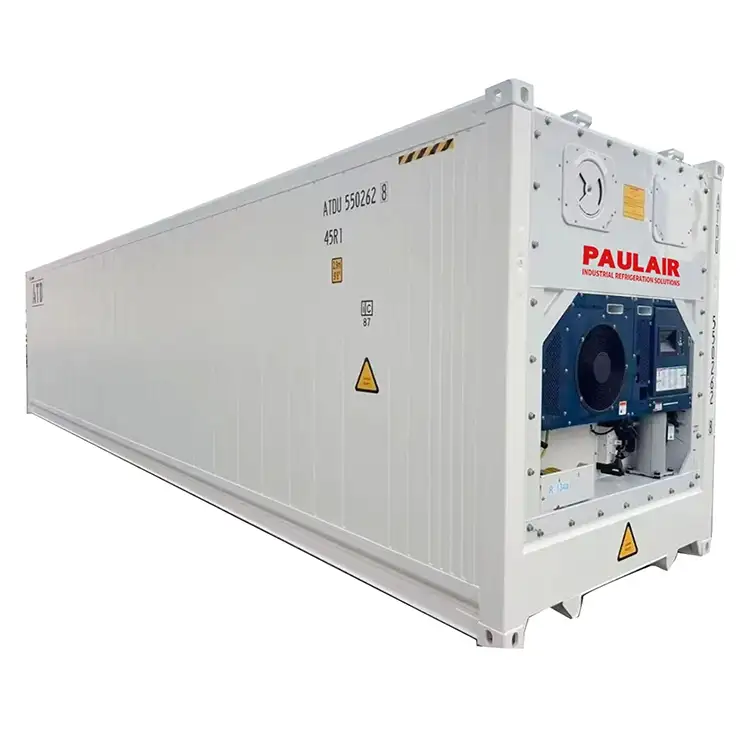
Container Cold Room for Tropical Fruits
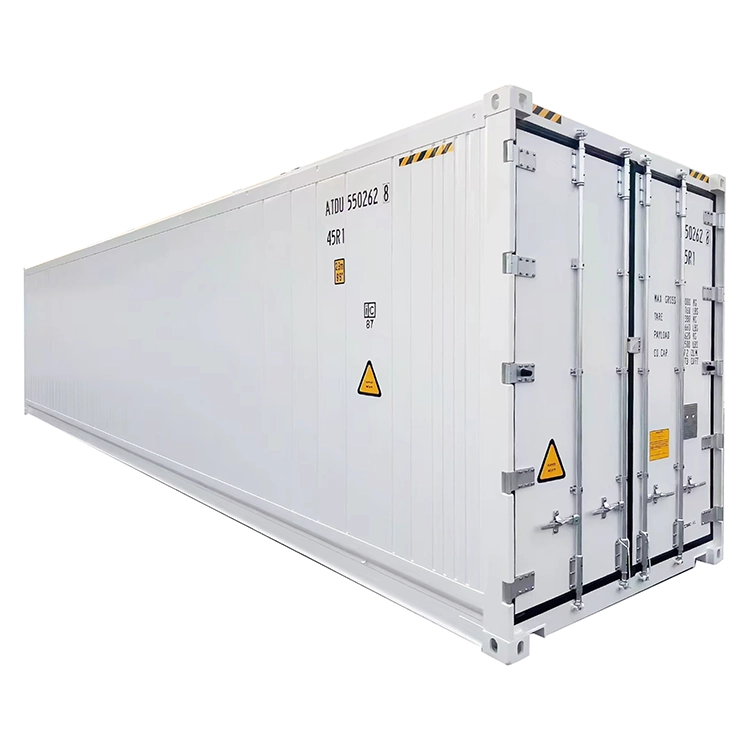
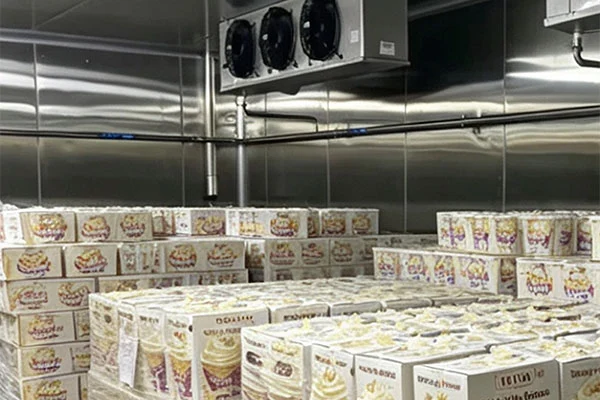
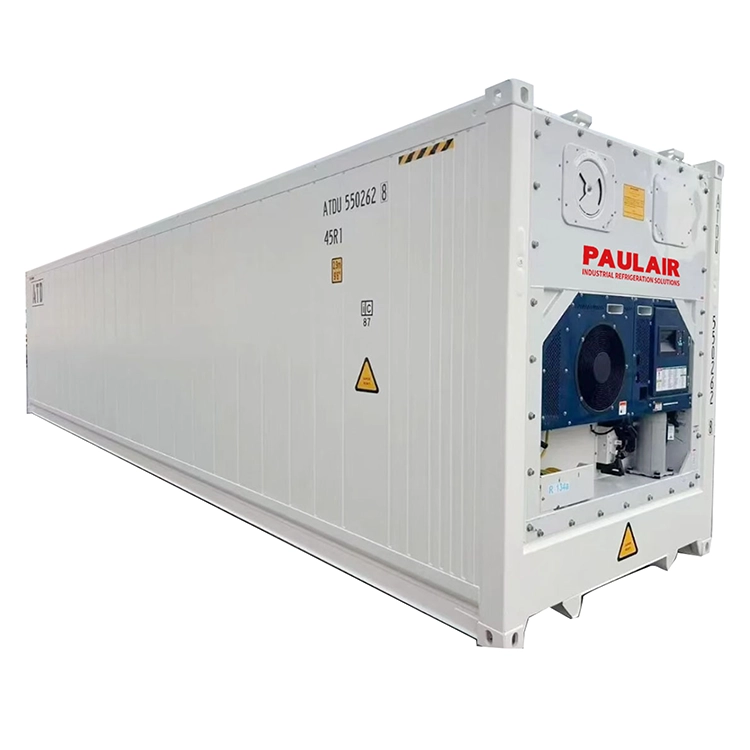
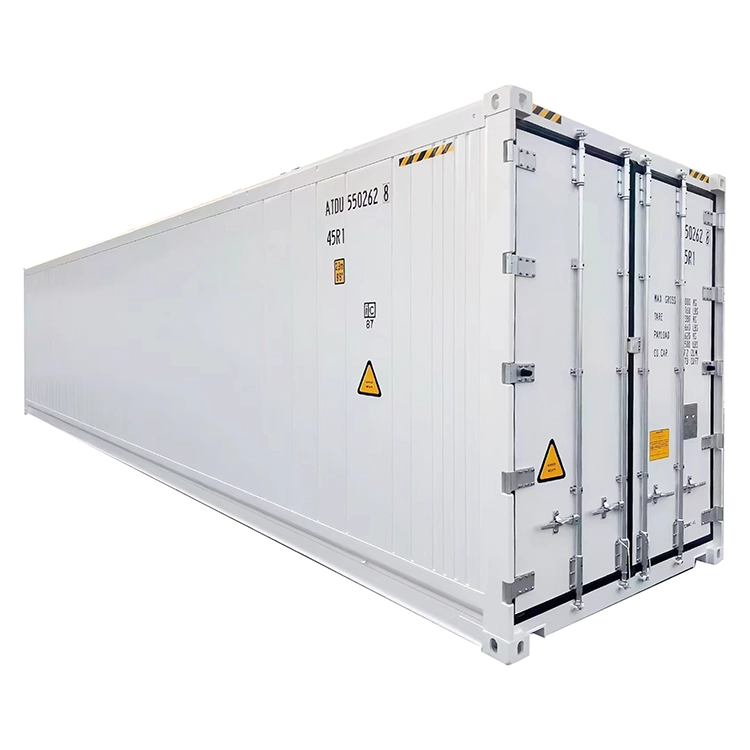
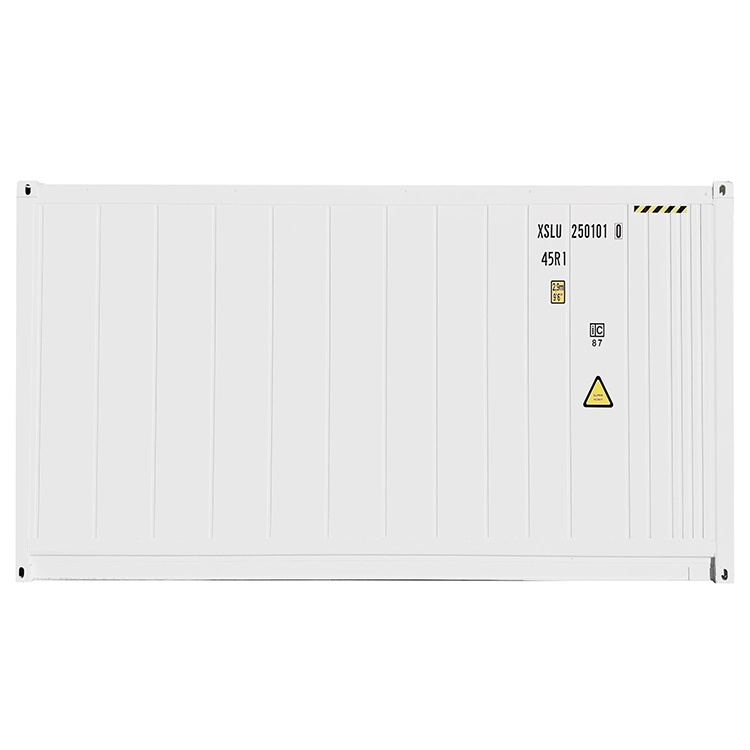
Engineered for harsh tropical climates, the Container Cold Room for Tropical Fruits comes in custom 20ft, 40ft, and non-standard dimensions. Matched precisely to your loading volume and entry temperatures, it features multi-zone temp control, dehumidification, and automated air circulation for sensitive exotic fruits.
The cold chain transportation of tropical fruits cannot be handled simply like that of ordinary refrigerated goods. Some fruits are quite sensitive to low temperatures. Excessive low temperatures or large temperature fluctuations may affect their appearance, maturity, and quality after transportation. Therefore, the focus of this container cold storage is not merely to lower the temperature inside the container, but to maintain an appropriate and stable transportation environment according to the requirements of the goods.
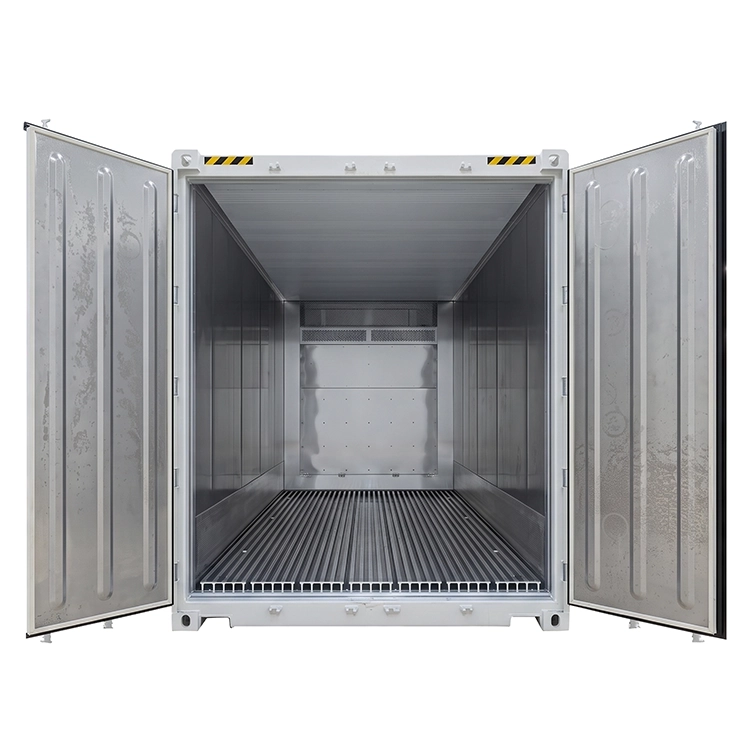
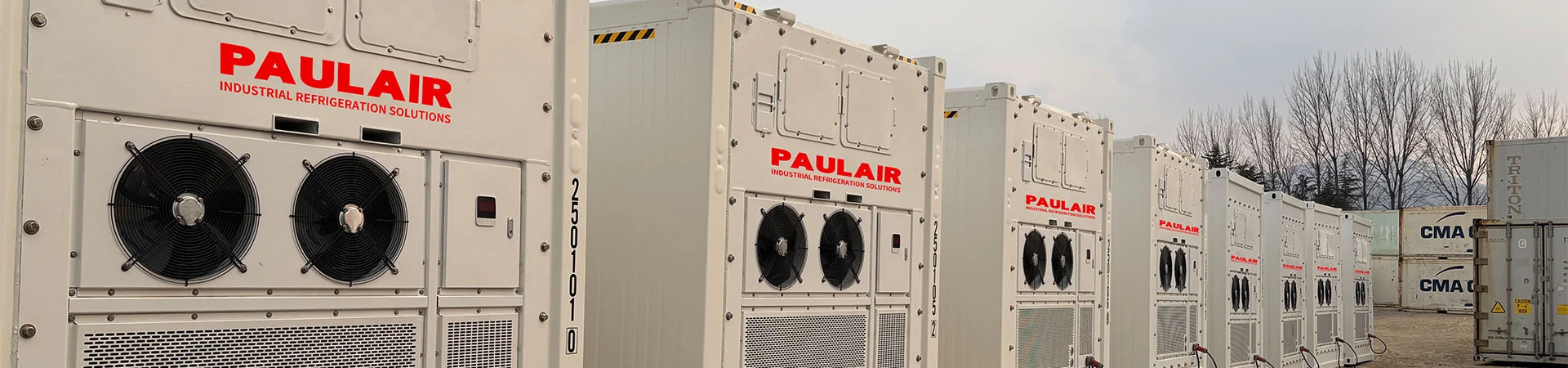
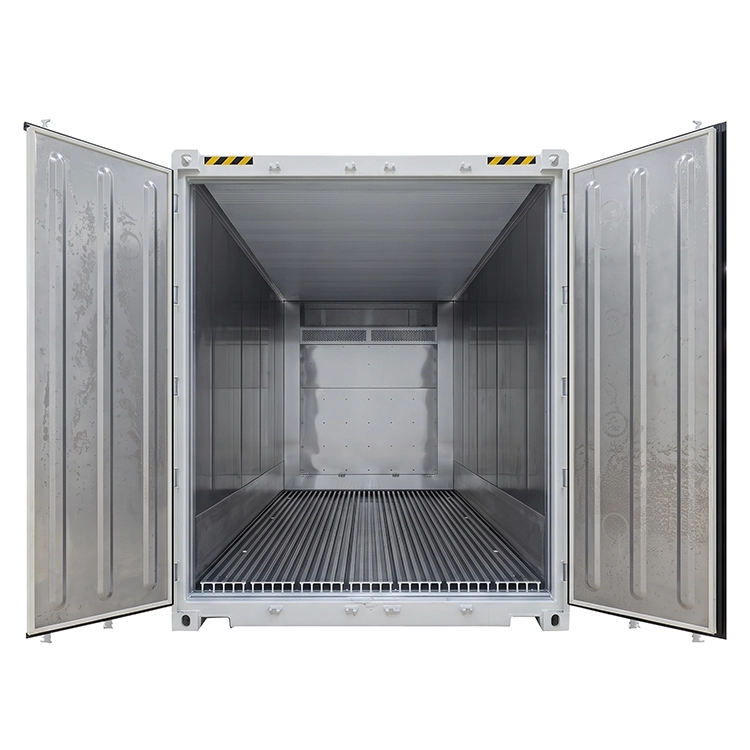
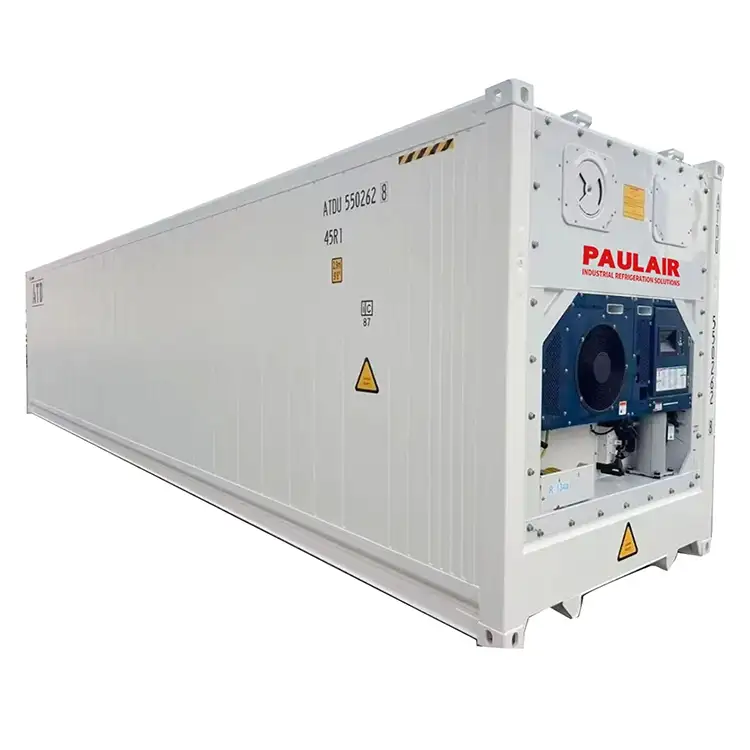
The container cold storage integrates the insulation container body, refrigeration system, heating system, air circulation and PLC control. Temperature sensors continuously monitor the internal environment of the container. The control system adjusts the refrigeration or heating according to the set values. For long-distance and cross-border transportation, temperature recording and IOT monitoring can be added to facilitate the viewing of the equipment's operation status during transportation. 20ft and 40ft are common specifications. Non-standard designs can also be made according to the fruit loading volume, packaging method, transportation route and installation conditions.

Core Configuration
Container size: 20ft, 40ft, non-standard size
Temperature range: 10℃ – 15℃ [to be confirmed]
Temperature fluctuation: ≤ ±1℃ [to be confirmed]
Heating function: Optional
Insulation material: High-density PU integral foaming
Insulation thickness: ≥100mm
Heat conductivity coefficient: ≤0.024 W/(m·K)
Control system: PLC intelligent control
Control functions: Temperature control, automatic defrosting, fault self-diagnosis
IOT Monitoring: Optional
Temperature recording: Optional
Multiple temperature zones: Customizable
Ventilation system: Customizable
Dehumidification function: Customizable
The actual temperature range and control parameters need to be determined based on the specific fruit variety, packaging method, loading quantity and transportation conditions.

Configure according to the transportation conditions
When conducting the purchase, it is necessary to pay particular attention to confirming the fruit variety, the loading quantity per batch, the temperature inside the box, the target temperature, the transportation time, the transportation route, and the local ambient temperature.
If there is a significant temperature difference between day and night or a low-temperature environment along the transportation route, it is advisable to consider installing heating functions; for long-distance and cross-border transportation, additional temperature recording, IOT monitoring and ventilation functions can be added.

Applications:
Temporary storage of fruit place of origin
Port cold chain circulation
Long-distance road transportation
Cross-border fruit transportation
Wholesale market distribution
Supermarkets and regional cold chain distribution
How to choose a container cold storage?
| Item | Container Cold Room for Poultry Eggs | Container Cold Room for Fresh Milk Dairy | Container Cold Room for Tropical Fruits |
| food | Chicken Eggs, duck eggs, quail eggs, etc. | Fresh milk, yogurt, dairy products | Bananas, mangoes, avocados and other tropical fruits |
| Core requirement | stable low temperature and reduce temperature fluctuations | Refrigeration, stable temperature, hygiene requirements | Constant temperature, cold damage prevention, ventilation |
| temperature range | configurate according to the egg processing conditions | Adjustable from 1 to 7℃ | 10 - 15℃ as the reference temperature. confirm according to the type of fruit. |
| heating function | optional | Generally, it is not regarded as a core configuration. | Recommended |
| humidity control | optional | optional | Configurable dehumidification/humidity control |
| air cycle | ✓ | ✓ | ✓ |
| PLC控制 | ✓ | ✓ | ✓ |
| IoT monitoring | optional | optional | optional |
| multiple temperature zone | customizable | customizable | customizable |
| 20ft / 40ft | ✓ | ✓ | ✓ |
| non-standard customized | ✓ | ✓ | ✓ |
| suitable transportation use | place of origin circulation, cold chain transportation of poultry eggs | Dairy product delivery, cold chain logistics | Long-distance transportation, cross-border logistics, fruit and vegetable distribution |
Different cold-chain goods have different requirements for temperature, humidity, air circulation and refrigeration capacity. When choosing a container cold storage, the configuration should be determined based on the type of goods, loading volume, initial temperature, target temperature, transportation time and ambient temperature, rather than just comparing the container size or refrigeration capacity.

Manufacturing and customization capabilities
The production includes the manufacturing of the container cold storage, refrigeration equipment, control system and overall assembly of the machine, as well as the final factory testing.
Standard 20ft and 40ft container cold storage can be configured according to the conventional scheme; for special loading capacity, non-standard dimensions, multi-temperature zones, ventilation, dehumidification and IoT monitoring requirements, adjustments can be made based on project conditions.
From the project design, equipment manufacturing to shipment, we can provide technical coordination. Additionally, based on the project requirements, we can offer installation guidance, remote debugging and after-sales technical support.

Why choose us
Determine the solution based on fruit conditions
Configure equipment according to fruit variety, load volume, loading temperature, and transportation route, avoiding the mere application of standard refrigeration parameters.
Cooling and heating coordinated control
In addition to lowering the temperature, the demand for heat compensation in low-temperature environments was also taken into account. This makes it more suitable for the transportation of temperature-sensitive fruits.
Support for standard and non-standard projects
20ft and 40ft models can be equipped with standard configurations. For special sizes and functional requirements, they can be designed separately.
Overall system matching of the container cold storage
The container cold storage body's insulation, cooling, heating, air circulation and PLC control are uniformly configured, reducing the matching issues between systems.
Continuous follow-up from production to after-sales service
Provide project design, manufacturing testing, transportation support, installation guidance, remote debugging and technical services

Purchasing information
MOQ: 1 unit
The MOQ adopts a tiered pricing model. The exact price will be determined based on the specifications, quantity and configuration.
20ft:
| Purchase Amount | Price/unit |
| 1-5 | USD15000 |
| 5–10 | USD13000 |
| 10–20 | USD11000 |
| Above 20 | USD10000 |
40ft:
| Purchase Amount | Price/unit |
| 1-5 | USD25000 |
| 5–10 | USD23000 |
| 10–20 | USD21000 |
| Above 20 | USD20000 |
FOB: Qingdao Port / as customers' requirement.
Standard order delivery time: 45 days
Urgent order delivery time: about 30 days, It needs to be confirmed based on the current inventory, configuration and production schedule
Packaging: Container transportation packaging
Terms of Payment: 30% in advance, pay the balance before delivery
The final quotation is determined based on the size of the container cold storage, the cooling capacity, the temperature requirements, the heating system, IoT, multi-zone temperature control, and other customized configurations.
Certificates:


From project design to after-sales service
We offer complete services ranging from demand analysis, project design, equipment manufacturing to installation, commissioning and after-sales maintenance. Once the project is confirmed, we can provide product manuals, equipment operation instructions and technical support. When equipment has operational problems, our technical staff can conduct remote fault diagnosis and debugging guidance, and based on local conditions, coordinate authorized service agents to provide services. The equipment warranty period is one year, and the technical response time for after-sales services can be controlled within 48 hours.

FAQ
1. How is the cooling capacity of the Container Cold Room for Tropical Fruits determined?
The cooling capacity cannot be determined solely based on the size of the box. It needs to be calculated by considering the temperature of the fruits when they enter the container cold storage, the target temperature, the loading weight, the respiration heat, the heat transfer of the container cold storage, the frequency of opening the door, the transportation time, and the external environmental temperature. Then, the specifications of the compressor, evaporator, and condenser can be determined.
2. Why is a heating system necessary for the transportation of tropical fruits?
When the external environmental temperature is lower than the storage and transportation temperature required by the fruits, the cessation of the refrigeration system does not mean that the temperature inside the box can be maintained stably. After adding a heating module, the control system can perform heat compensation based on the feedback from the temperature sensor, which is suitable for winter transportation and routes with large temperature differences between day and night.
3. Is a temperature range of 10-15℃ suitable for all tropical fruits?
No. The minimum safe temperatures and optimal storage and transportation conditions for different fruits vary. 10–15℃ can be used as a reference control range for some items. The final setting value should be determined based on the specific fruit variety, maturity, packaging method, and transportation requirements.
4. How long does it take for the equipment to reach the set temperature when loading fruits into the container?
This depends on the initial temperature of the fruits, the loading quantity, the packaging method, the ambient temperature and the cooling capacity of the equipment. During the engineering design, the required pull-down time should be clearly specified, and then the cooling capacity should be calculated based on this. It is not appropriate to make a judgment solely based on the test results of the no-load temperature.
5. How can one prevent significant temperature differences from occurring at different locations within the box?
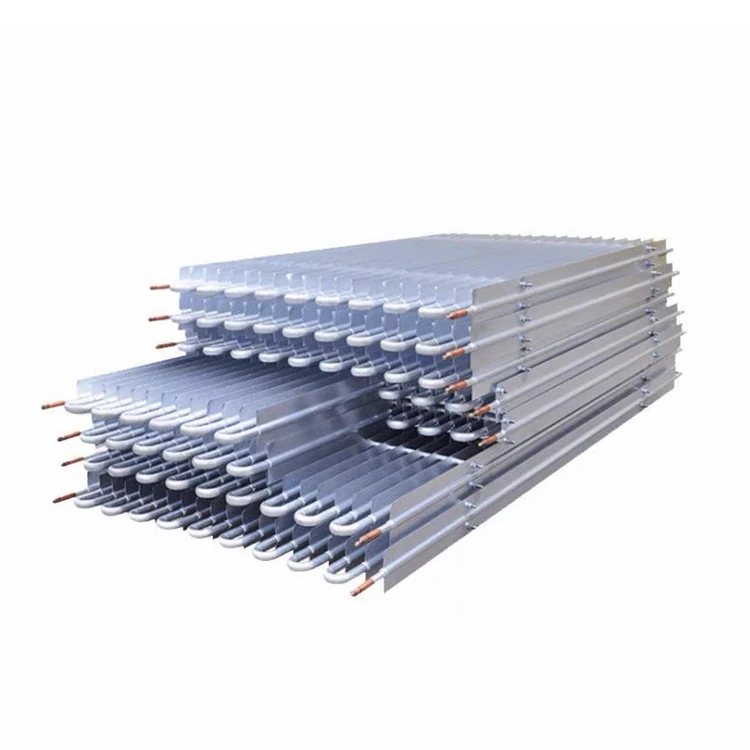
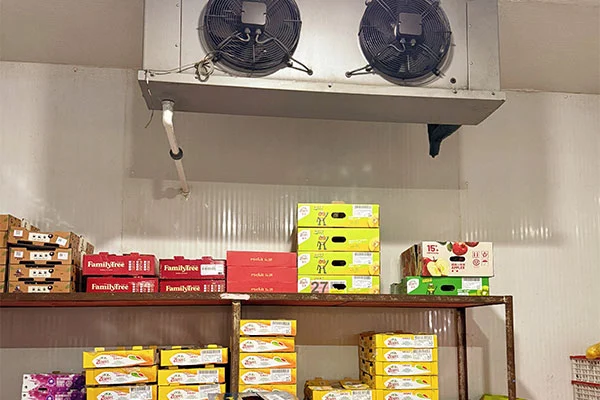
By properly arranging the evaporator, return air ducts and circulating fans, the cold air can cover the main cargo areas. At the same time, air channels need to be reserved according to the cargo stacking method to avoid blocking the return air vents or causing local cold spots.
6. How to control condensation problems when transporting fruits with high humidity?
The temperature of the fruits, the air temperature inside the container cold storage, the relative humidity, the dew point, and the surface temperature of the container cold storage need to be comprehensively considered. According to the actual working conditions, ventilation or dehumidification functions can be configured, and the risk of condensation can be reduced through reasonable air flow organization and temperature control.
7. Can different fruits be placed in the same temperature-controlled container?
It needs to be judged based on the temperature, humidity, ventilation and maturity requirements of various fruits. If the storage and transportation conditions vary greatly, it is not recommended to simply mix them together. Instead, a zone-based design or transportation of different batches can be adopted.
Send Inquiry
Contact Info
-
Address
Xinyuan Avenue, Sangzidian Subdistrict, Tianqiao Borough, Jinan City, Shandong Province, China
-
Tel
-
Submit your project specifications to receive tailored guidance, technical drawings, and cheap factory-direct wholesale pricing from our engineering team today.
Related Products
News Recommendations