

Container Cold Room for Temperate Fruits
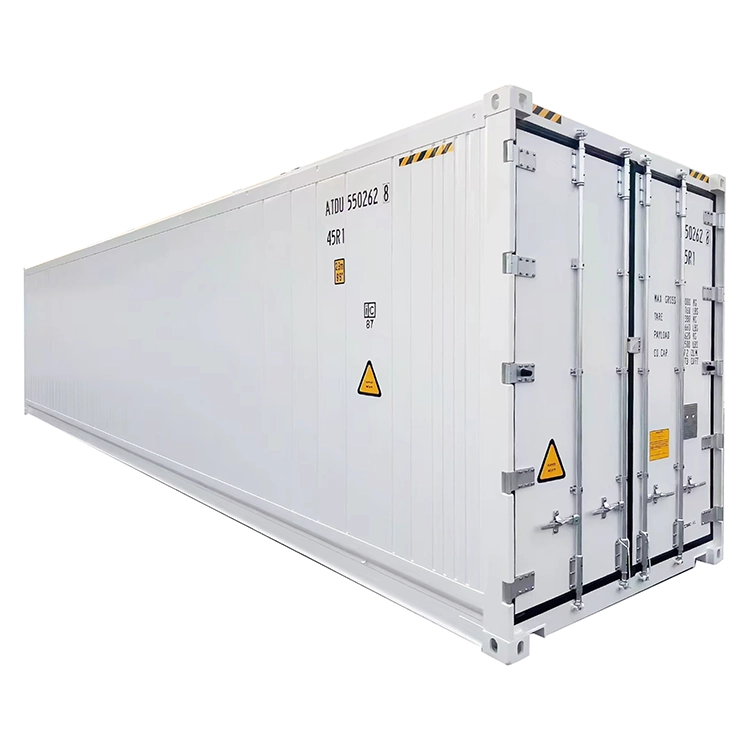
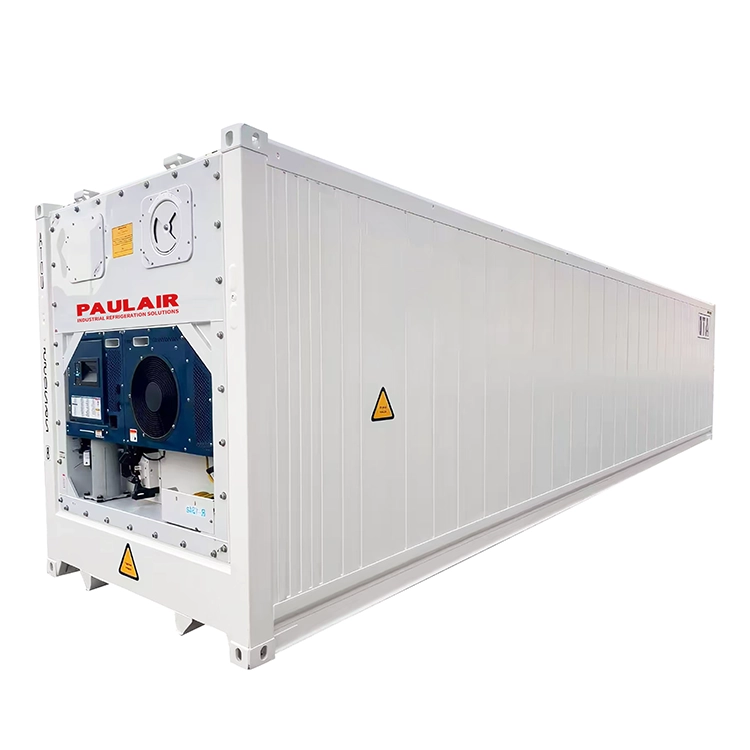
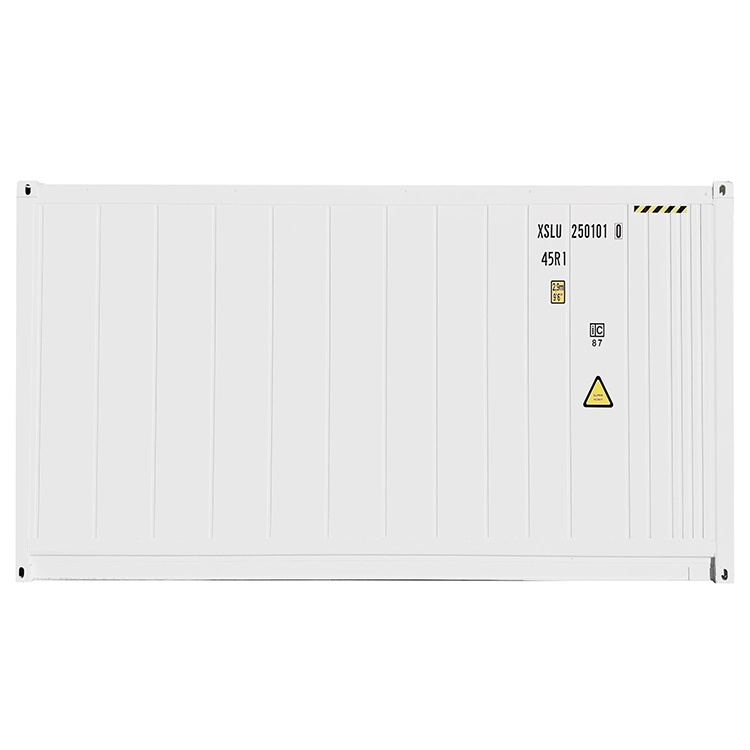
Tailored for seasonal harvests, the Container Cold Room for Temperate Fruits offers customizable 20-foot, 40-foot, and non-standard dimensions. Matched to your exact fruit loading volume and ambient climate, it features multi-temperature zones and IoT tracking to keep delicate table grapes and cherries market-ready.
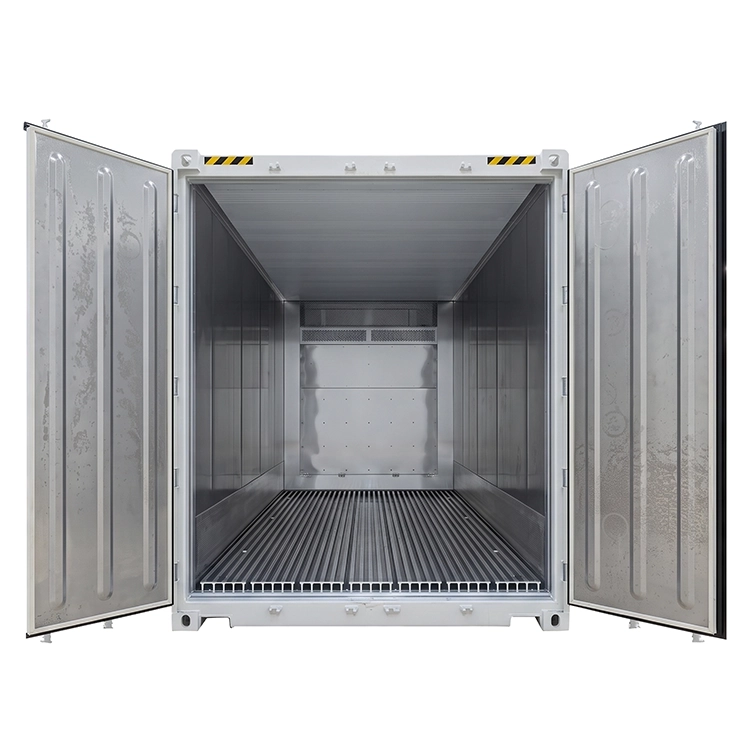
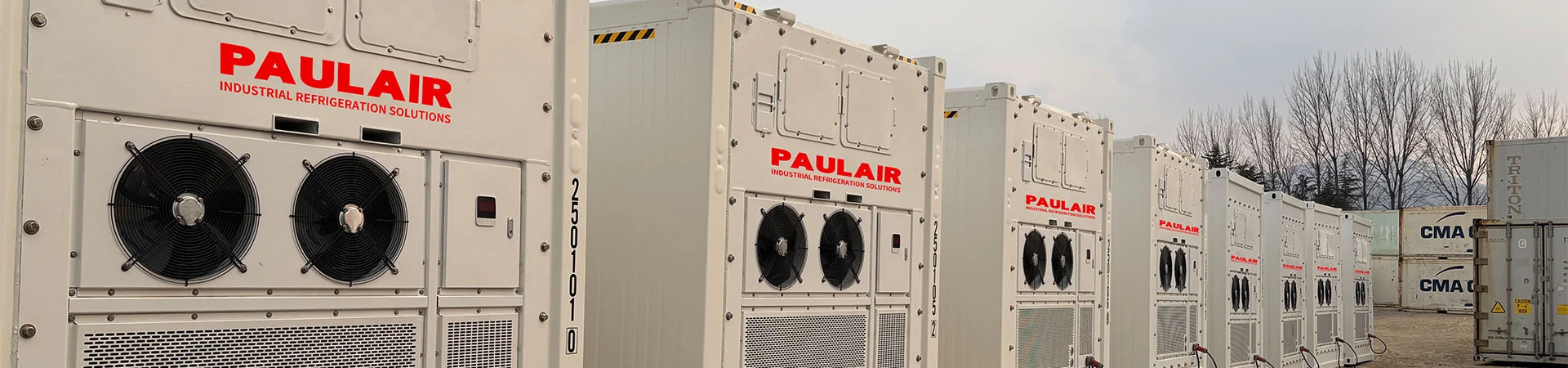
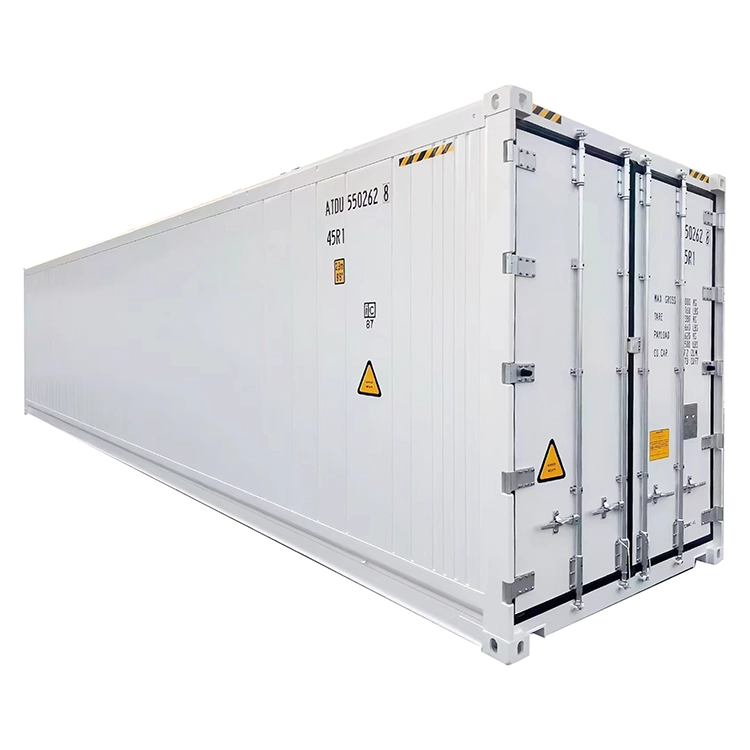
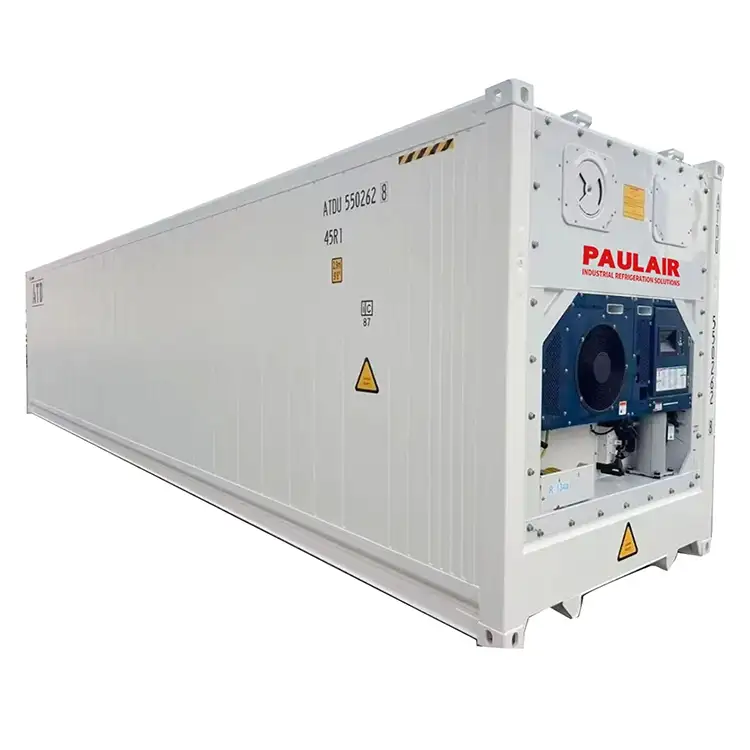
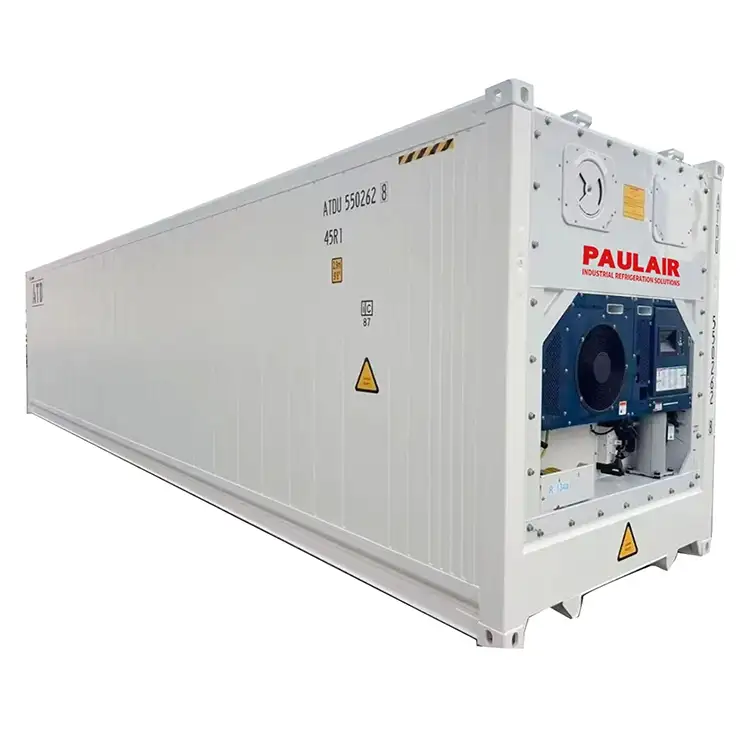
The Container Cold Room for Temperate Fruits integrates structural insulation, refrigeration machinery, PLC electrical controls, and air distribution within a standardized shipping container framework. Designed as a self-contained unit, it provides plug-and-play operation for farmgate collection, logistics hubs, and temporary cold storage.

Engineered in 20-foot, 40-foot, or custom dimensions, each container pairs targeted cooling capacity with high-density insulation panels to maintain tight temperature thresholds. For extended shelf-life or controlled storage environments, units can be upgraded with Controlled Atmosphere (CA) regulation, precision ultrasonic humidification, and IoT remote monitoring.

Precise Refrigeration Engineering
Cooling performance depends on fruit variety, payload weight, pulping temperature, and regional climate. We calculate heat loads based on your site conditions to select the exact compressor, condenser, and evaporator configuration.

Climate-Specific Heat Load Calculation
To keep temperate produce within the core 0°C to 4°C preservation window, heat loads are calculated against local ambient temperature extremes. Outfitted with scroll or semi-hermetic piston compressors, our Container Cold Room for Temperate Fruits maintains target temperatures within ±0.5°C.
Payload Respiration Load Balancing
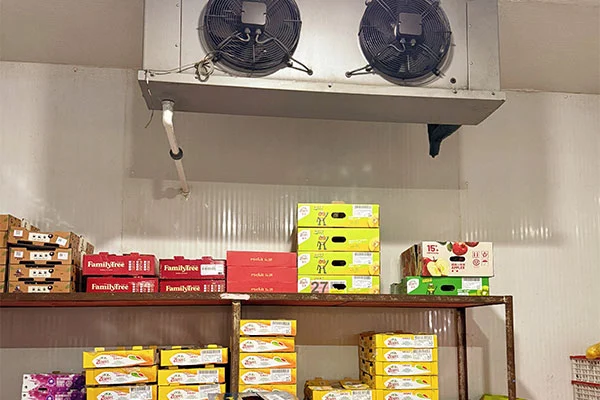
System capacity is calibrated against the total batch tonnage and post-harvest respiration heat of specific crops. For instance, when loading 20 metric tons of fresh apples, compressor duty is sized specifically to avoid delayed pull-down times or unnecessary power draw.
Rapid Pre-Cooling Configuration
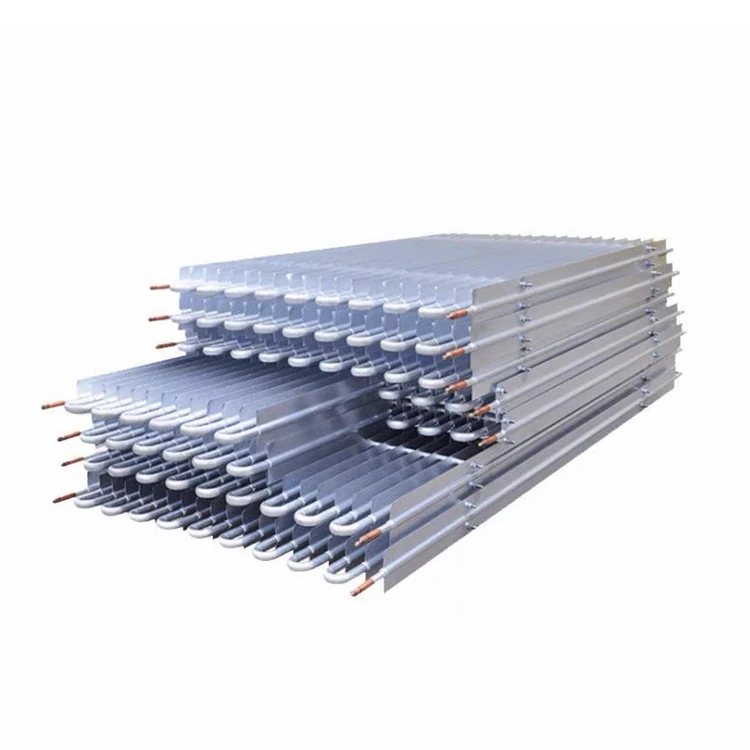
For crops requiring quick field-heat removal, extended condenser heat-exchange surface areas and high-static fans increase airflow velocity. This setup reduces pull-down time by over 30%, slowing down post-harvest fruit metabolism right after harvest.
Humidity and Atmosphere Control
Optional ultrasonic humidifiers or dehumidifiers link directly with fresh-air ventilation to maintain relative humidity between 85% and 95%. For multi-month storage, a Controlled Atmosphere (CA) gas-scrubbing system can be integrated.
Product Specifications
| Target Produce | Apples, pears, grapes, cherries, kiwi, etc. |
| Container Specifications | 20 ft, 40 ft, or custom sizes |
| Operating Temperature Range | -25°C to +25°C |
| Fresh Storage Temperature Range | 0°C to 4°C |
| Relative Humidity Range | 85% to 95% |
| Temperature Control Precision | ±0.5°C |
| Thermal Insulation Core | High-density polyurethane (PU) injection panel |
| Insulation Panel Thickness | 100 mm |
| Thermal Conductivity | ≤ 0.024 W/(m·K) |
| Door System | Double-gasket sealed cold store doors |
| Compressor Type | Scroll or semi-hermetic piston compressors |
| Control Interface | Microcomputer PLC smart control cabinet |
| Core Control Functions | Precision temp/humidity adjustment, auto-defrost, fault self-diagnostics |
| IoT Remote Monitoring | Optional |
| Dual/Multi-Temperature Zones | Optional |
| CA System (Controlled Atmosphere) | Optional |
| Interior Shelving & Racking | Customized upon request |
Insulation Structure and Intelligent Control
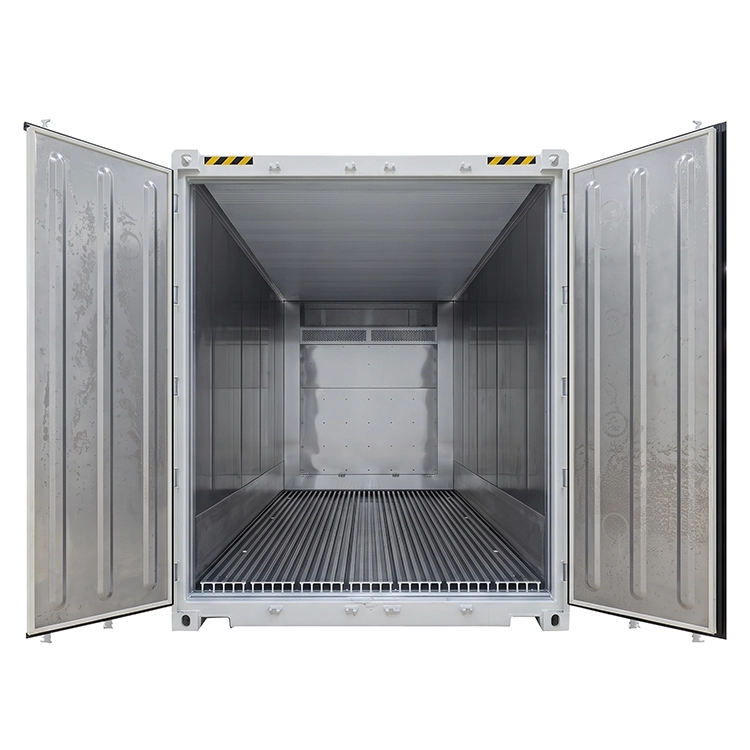
Constructed with 100mm high-density polyurethane (PU) panels with thermal conductivity as low as ≤ 0.024 W/(m·K), paired with dual-layer perimeter door gaskets to eliminate thermal bridging and cold air loss.

The microcomputer PLC system manages automated defrost cycles, environmental monitoring, and self-diagnostics. With the optional IoT system, operators can track real-time parameters, pull historical performance logs, and set off-spec alarms via web browser or mobile app.

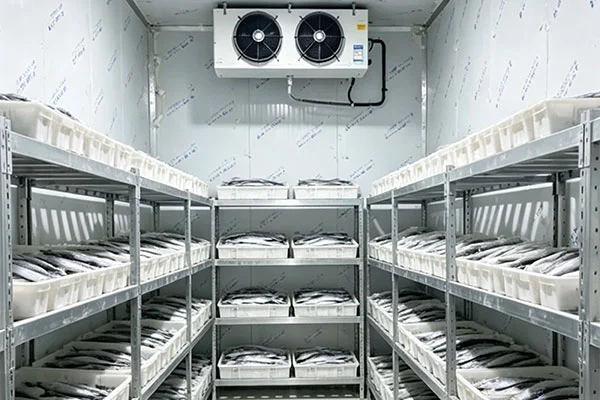
Interior layouts can be tailored with aluminum anti-slip flooring, heavy-duty pallet guides, or modular shelving. Internal partition walls are also available for multi-zone requirements—allowing a 0°C chilling zone and a -18°C freezing zone inside the same container shell.
Manufacturing & Quality Inspection
72-Hour Full-Load Endurance Test
Every unit undergoes a continuous 72-hour test run under simulated maximum ambient temperature and full load to verify unit capacity, head pressure stability, and continuous cooling efficiency.
Air & Water Tightness Testing
Container shells undergo pressurization and water spraying tests to verify panel seams and door seals, preventing moisture infiltration and thermal leakage during transit and outdoor operation.
Air Flow Optimization (CFD-Verified)
Using Computational Fluid Dynamics (CFD) simulation verified by thermal probe testing, duct layouts are positioned to push air evenly through stacked crates, avoiding hot spots and dead air zones.
Applications
Farmgate Pre-Cooling & Origin Storage
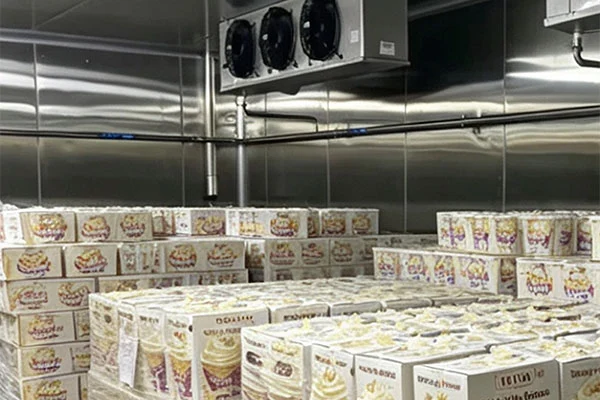
Placed directly in orchards or regional collection centers, our Container Cold Room for Temperate Fruits provides immediate field-heat removal and short-term holding right after harvest.

Port & Logistics Transshipment
Serves as flexible, modular cold storage at shipping terminals, rail yards, and distribution hubs during seasonal harvest surges.

Cross-Border Cold Chain Transport
Functions as a rugged, self-contained mobile refrigeration unit capable of handling long-haul intermodal routes across varying climate zones.

Retail Distribution & Urban Warehousing
Provides auxiliary cold storage for supermarket fulfillment centers, regional fresh food distributors, and urban dark stores.
Parameters Required for Custom Quotations
To help our engineers calculate exact refrigeration duty and select suitable components, please share:
• Fruit varieties and target batch weight (tonnage)
• Fruit temperature prior to loading
• Desired internal temperature and relative humidity
• Target pull-down time (hours to reach temperature)
• Operating site region and peak ambient summer temperature
• Additional requirements (Multi-temp zones, CA atmosphere control, IoT gateway)
Certifications


Technical Support & After-Sales Service
We deliver end-to-end containerized cold storage solutions—from load calculation and custom design to manufacturing, factory testing, and technical support. Every unit ships with comprehensive operating manuals and wiring schematics. Our technical team offers real-time remote diagnostics and commissioning assistance, backed by local regional service partners for rapid parts delivery and onsite support.
Frequently Asked Questions (FAQ)
1. Which fruit varieties are suitable for this container cold room?
It is optimized for temperate fruit species including apples, pears, table grapes, cherries, kiwifruit, and stone fruits. Operating parameters can be customized based on your specific crop requirements.
2. What is the standard temperature setting for temperate fruits?
Most temperate fruits store best between 0°C and 4°C. However, the system features an overall operating thermal range of -25°C to +25°C to support dual-purpose applications.
3. How is humidity managed inside the container?
The refrigeration system holds standard humidity levels around 85% to 95%. Optional ultrasonic atomizing humidifiers or desiccant dehumidifiers can be added for sensitive produce.
4. Can the system perform rapid pre-cooling directly after harvest?
Yes. By configuring high-capacity evaporators, enlarged condenser surfaces, and higher-CFM circulation fans, pull-down speed can be accelerated by over 30% to stop field-heat degradation.
5. What is the typical loading capacity of a standard unit?
Storage capacity depends on container size, box dimensions, and pallet stacking layouts. For instance, a 40ft container system can be engineered to pull down and store 20 metric tons of fresh apples per batch.
6. How is refrigeration capacity calculated for custom orders?
We size the compressors and heat exchangers based on fruit species, daily intake weight, field pulping temperature, target room temp, required pull-down duration, and regional ambient weather data.
7. What insulation materials and door seals are used?
Units are built using 100mm high-density polyurethane (PU) foam panels (thermal conductivity ≤ 0.024 W/m·K) and fitted with heavy-duty double gasketed cold room doors to prevent thermal gain.
8. Can I monitor temperature and humidity settings remotely?
Yes. While the standard PLC touch panel provides local automation and auto-defrosting, an optional IoT module allows operators to track live parameters, review log charts, and receive SMS/email alerts on mobile or desktop devices.
Send Inquiry
Contact Info
-
Address
Xinyuan Avenue, Sangzidian Subdistrict, Tianqiao Borough, Jinan City, Shandong Province, China
-
Tel
-
Submit your project specifications to receive tailored guidance, technical drawings, and cheap factory-direct wholesale pricing from our engineering team today.
Related Products
News Recommendations