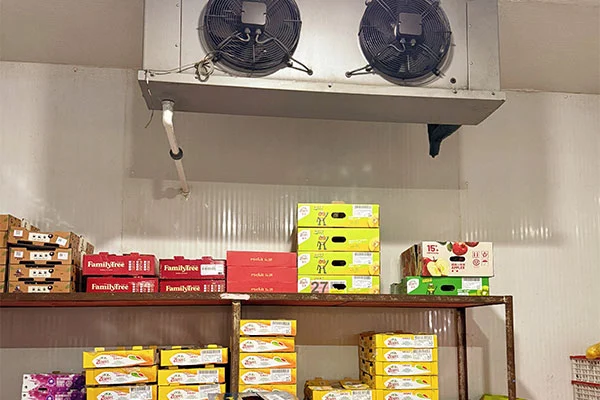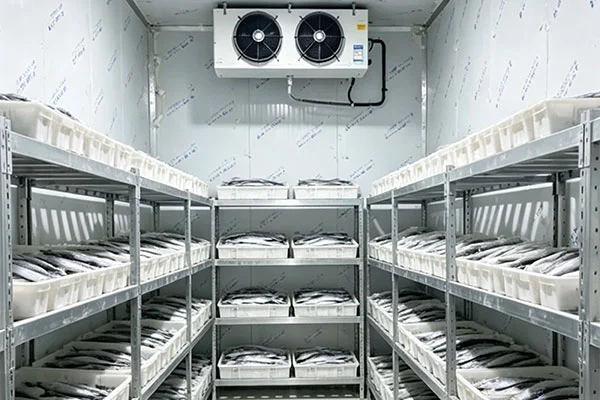
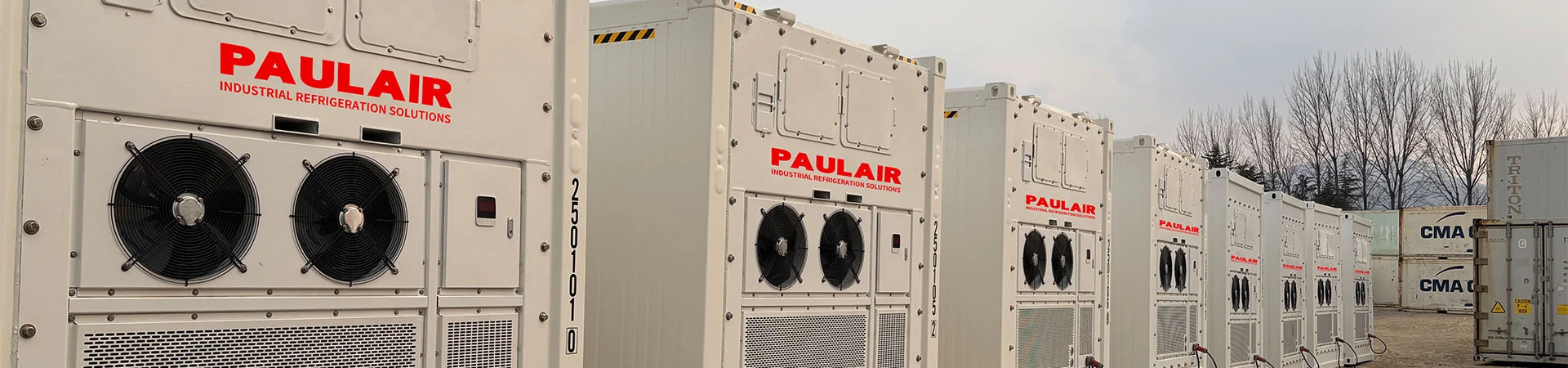


Container Cold Room for Fresh Aquatic Products
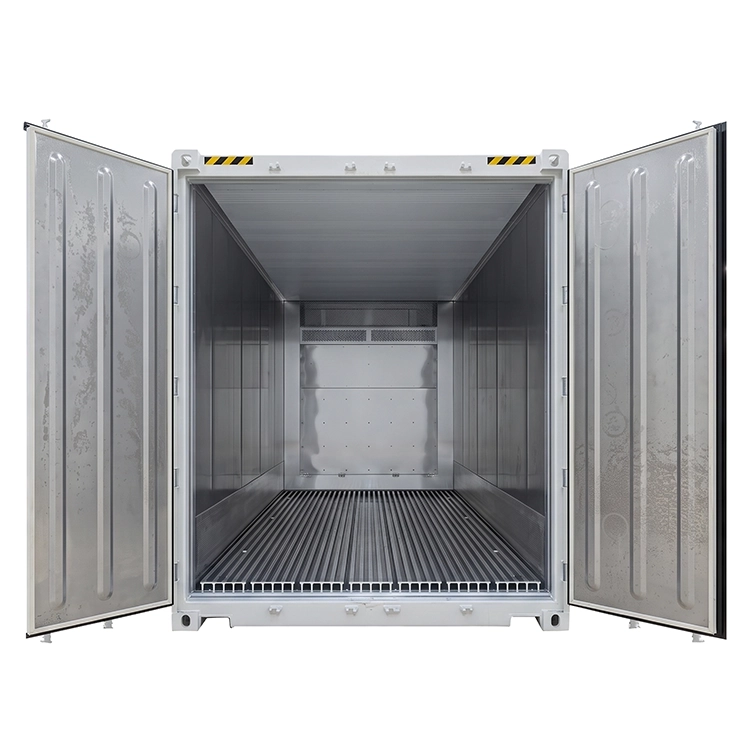
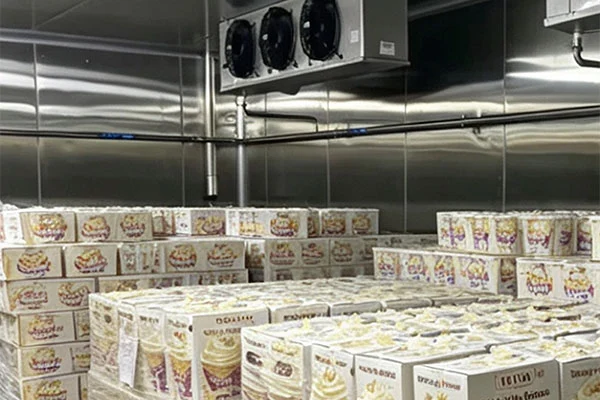
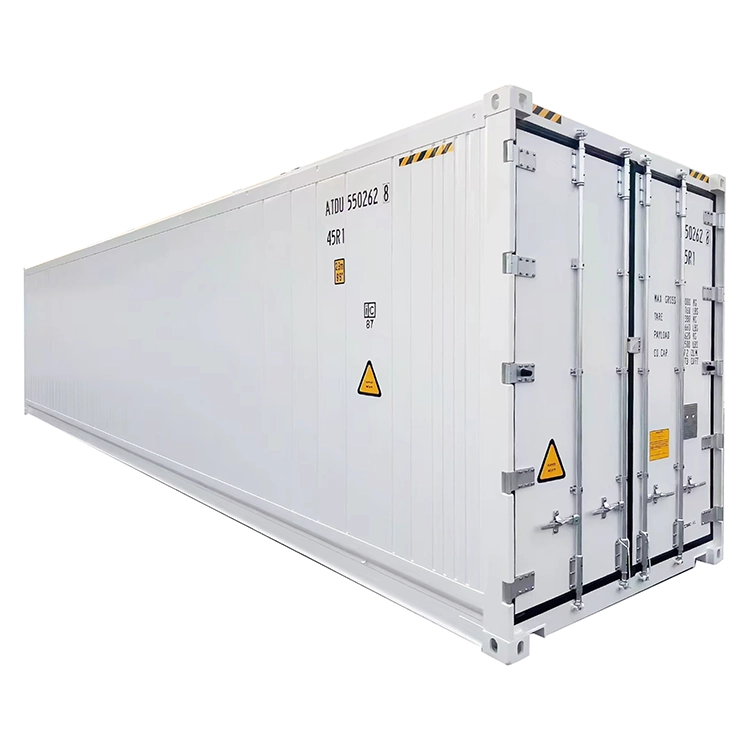
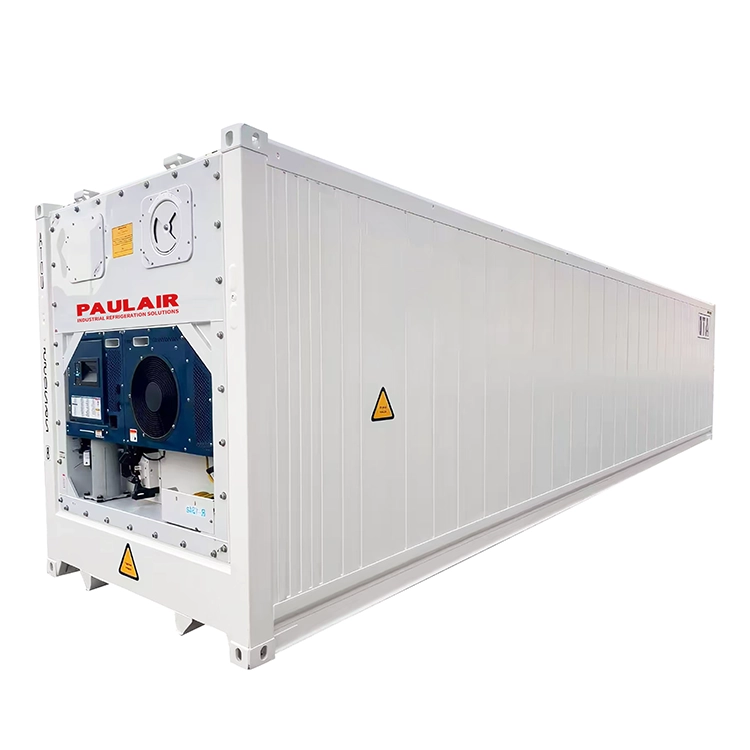
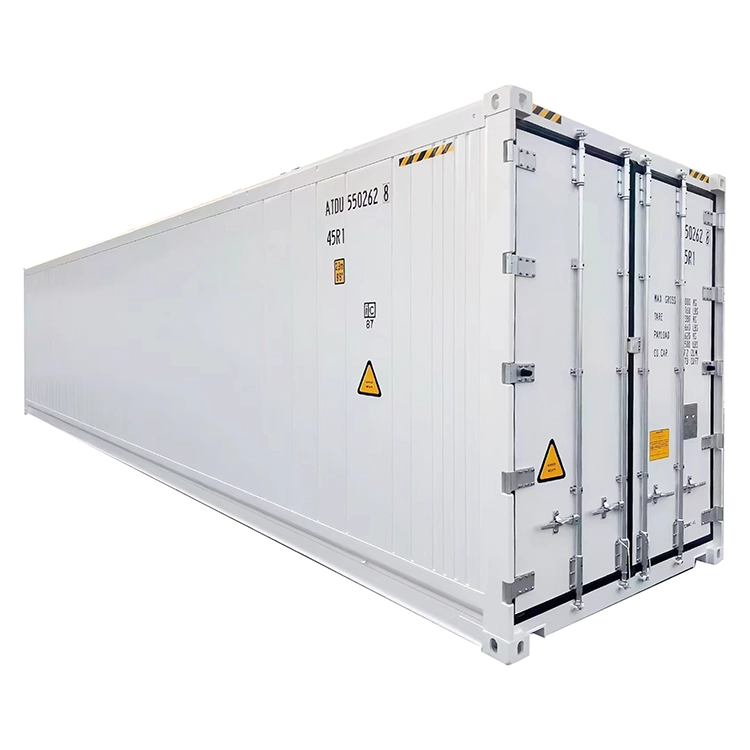
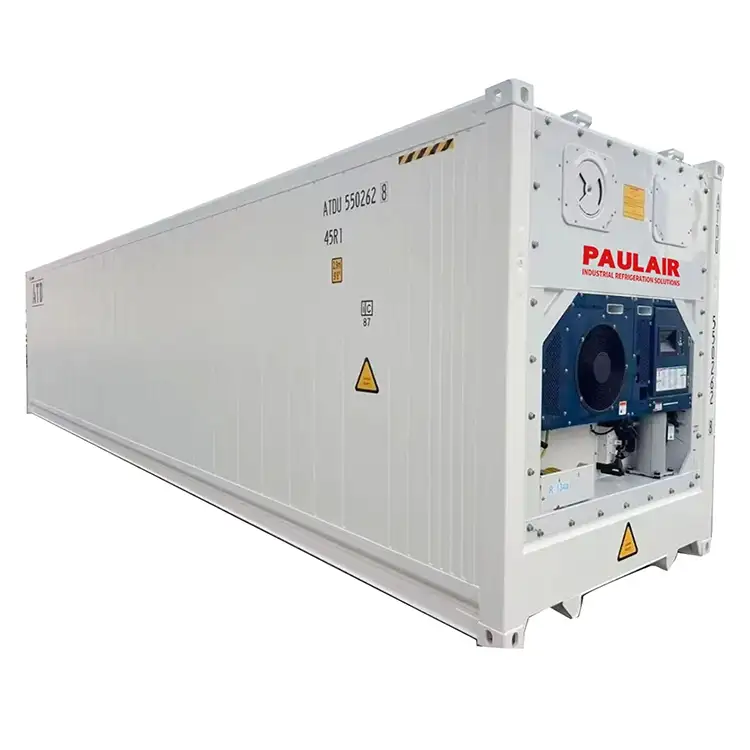
Container Cold Room for Fresh Aquatic Products are designed for live aquatic products such as fish, shrimp, and crabs. They integrate low-temperature acclimation, temperature control, insulation, oxygen supply, and remote monitoring, reducing transportation stress and loss. They can also be customized according to species, distance, and loading capacity.
Transporting live aquatic products like fish, shrimp, and crabs over long distances is rarely about simply freezing the air inside a box. Traditional cold storage often fails because rapid temperature drops cause fatal thermal shock, while uncontrolled metabolic waste ruins water quality. The Container Cold Room for Fresh Aquatic Products are a mobile, climate-controlled biological survival system engineered to preserve life, stabilize water conditions, and eliminate mortality risks from origin to destination.
Precision Physiology: How the System Safeguards Your Live Cargo
Different species maintain distinct biological tolerances for temperature gradients, dissolved oxygen levels, and carbon dioxide accumulation. Instead of applying crude refrigeration, this system initiates a controlled low-temperature acclimation process. By gradually lowering the ambient temperature along tailored cooling curves, the metabolic rate and respiration of aquatic species are reduced into a state of semi-dormancy. This biological slowdown prevents physical stress, conserves energy, and minimizes metabolic waste buildup during transit.

Core Advantages for High-Value Live Transport Operations
Adaptive Multi-Stage Temperature Acclimation
Abrupt cooling triggers metabolic distress, leading to high dead-on-arrival (DOA) ratios. The system utilizes programmed multi-stage cooling logic that allows operators to set customized pre-cooling, acclimation, and transit phase temperatures. This gradual shift protects fragile species like whiteleg shrimp and grouper from temperature shock.
Fluctuating-Free Thermal Stability
Core refrigeration units combined with high-density polyurethane insulation ensure interior temperature drift remains strictly within ±0.3°C, regardless of harsh external climate variations during cross-border transit.

Integrated Oxygenation & Environmental Control
For live water transport, continuous oxygenation systems stabilize dissolved oxygen concentrations based on biomass density. For low-water or waterless transportation, the system integrates precision humidity preservation (85%–95%) and automated air exchange to prevent tissue desiccation while maintaining gas balance.

Waterless & Reduced-Water Payload Optimization
Transporting heavy water significantly boosts freight expense. By controlling relative humidity, skin-moisturizing airflow, and oxygen saturation, specific species (such as crabs, turbot, and eels) can be safely transported waterless or in minimal water trays, maximizing cargo volume and drastically reducing per-kilogram shipping costs.

Vibration-Dampened Internal Loading Structures
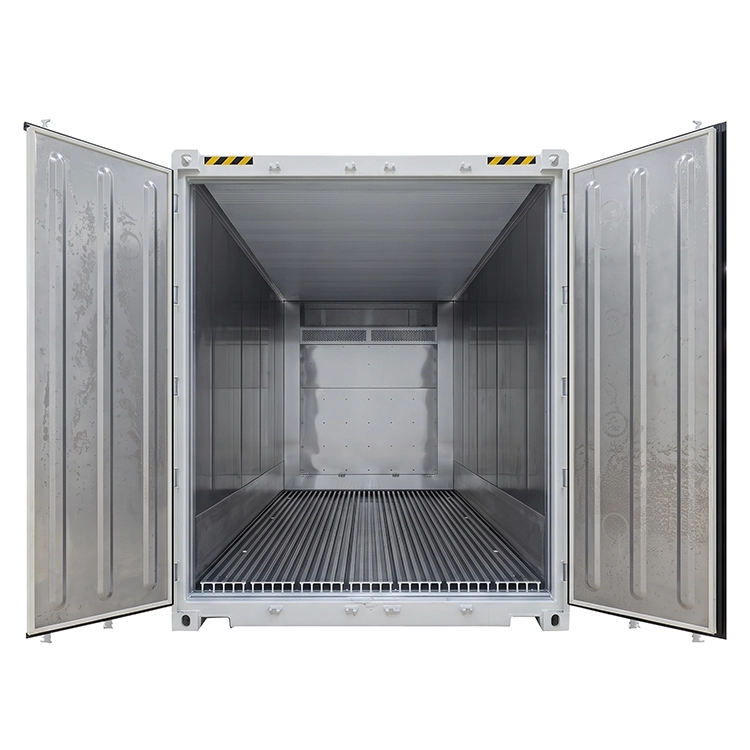
Physical crowding and transit turbulence cause severe bruising and physical trauma. Custom-designed anti-crush racks, modular turnover boxes, and shock-absorbing tray layers keep cargo secured, eliminating squeeze damage while optimizing internal air circulation.

Engineering Specifications
| Technical Parameter | Standard Specification |
| Product Category | Mobile Climate-Controlled Aquatic Transport System |
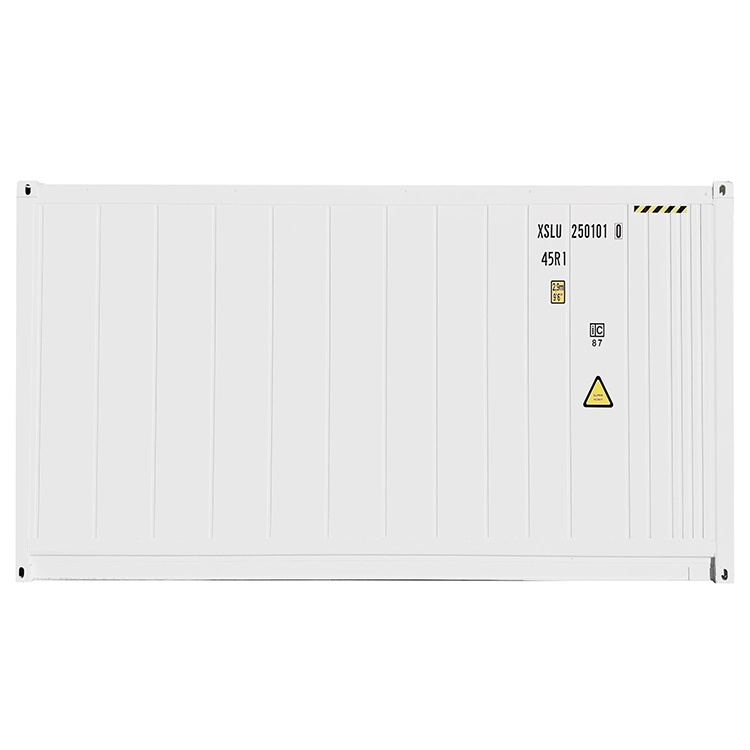
| Container Dimensions | Standard 20ft / 40ft / Customized Non-Standard Sizes |
| Temperature Control Range | 0°C to +4°C (Adjustable per species requirements) |
| Temperature Control Precision | Within ±0.3°C |
| Insulation Layer | 100mm Polyurethane (PU) High-Density Foam |
| Thermal Conductivity | 0.018 – 0.024 W/(m·K) |
| Refrigeration Unit | Industrial Scroll Compressor Unit |
| Cooling Capacity | 80 – 120 W/m³ |
| Control Architecture | PLC Intelligent Microprocessor with Remote IoT Dashboard |
| Humidity Control Range | 85% – 95% Relative Humidity |
| Defrosting Method | Automated Smart Air/Electric Defrost |
| Exterior Shell Material | Anti-Corrosive Galvanized Steel with Marine-Grade Coating |
| Max Payload Capacity | 20ft: 27.5–27.8 Tons | 40ft: 29.2–29.7 Tons |
| Transport Compatibility | Land Trucking / Intermodal Rail / Ocean Freight |
Deploying a Container Cold Room for Fresh Aquatic Products ensures seamless cold chain continuity across various commercial scenarios, including ocean-port transshipments, direct seafood farm-to-market logistics, regional supermarket distribution networks, and long-haul intermodal border crossings.
Manufacturing, Quality Control & Factory Testing
To ensure every container operates flawlessly under extreme environmental conditions, manufacturing adheres to strict industrial refrigeration and marine engineering standards.

1. Custom Engineering & Thermal Design
Engineering begins by calculating cargo heat load, respiratory heat output of the targeted species, target transit duration, and ambient temperature extremes. Structural blueprints, piping layouts, and air duct configurations are tailored accordingly.
2. Shell Construction & Sealing Verification
Precision welding of galvanized steel framing is followed by seamless 100mm high-density PU insulation injection. Double-gasket door seals and corner fittings undergo airtightness testing to minimize thermal leakage.

3. Refrigeration & Environmental System Assembly
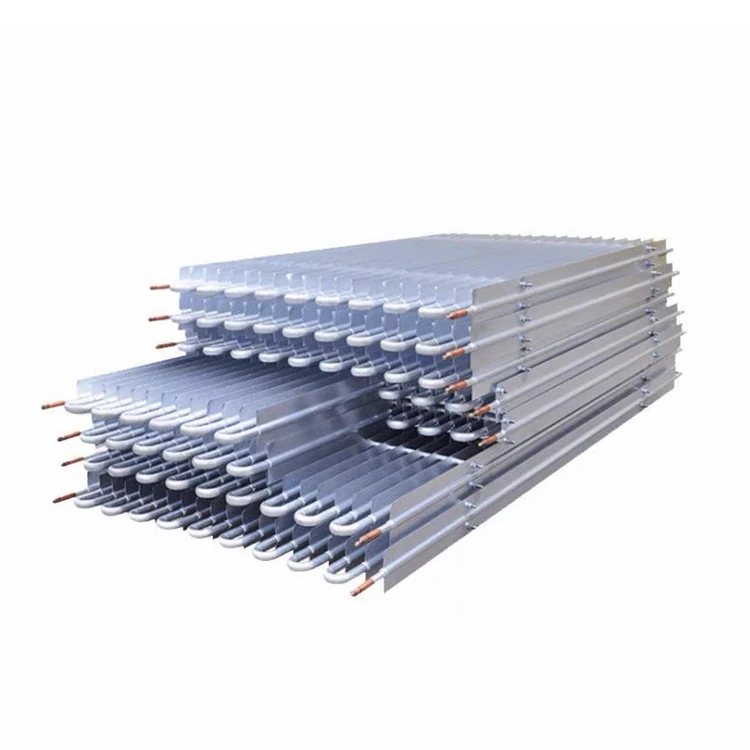
Industrial scroll compressors, evaporators, sensors, oxygenation manifolds, and PLC microprocessors are installed. Electrical circuits are insulated and waterproofed for salt-spray resistance.

4. Comprehensive Factory Quality Control (QC)
- Airtightness & Thermal Insulation Leak Test: Infrared thermal cameras check for cold-bridge thermal leaks.
- Full-Load Cooling Performance Test: Systems are operated continuously under simulated peak summer temperatures to verify cooling speed and stability.
- Multi-Point Sensor Calibration: Temperature and humidity sensors throughout the chamber are calibrated against lab standards to guarantee ±0.3°C accuracy.
- Vibration & Simulated Transport Stress Test: Structural integrity and pipe connection joints are tested under simulated road vibration.

Purchase Information & Factory Direct Pricing
20ft Container Cold Storage Pricing
| Purchase Quantity (Units) | FOB Unit Price (USD) |
| 1 – 5 | USD 15,000 |
| 6 – 10 | USD 13,000 |
| 11 – 20 | USD 11,000 |
| 20+ | USD 10,000 |
40ft Container Cold Storage Pricing
| Purchase Quantity (Units) | FOB Unit Price (USD) |
| 1 – 5 | USD 25,000 |
| 6 – 10 | USD 23,000 |
| 11 – 20 | USD 21,000 |
| 20+ | USD 20,000 |
* FOB Port: Qingdao Port, China (Custom shipping ports available upon request).
* Standard Order Lead Time: 45 working days (includes full technical customization, assembly, and testing).
* Urgent Orders: Expedited production available within 30 working days based on factory schedule.
What You Get Before & After Purchasing
Pre-Purchase Value & Technical Consultation
- Species-Specific Transport Feasibility Analysis: Free assessment of your target species, transit duration, ambient conditions, and waterless/live-water feasibility.
- Custom Structural & Capacity Blueprinting: Customized internal racking layouts and refrigeration sizing to match your existing truck fleets or shipping vessels.
- ROI & Logistics Cost Calculation: Detailed freight-weight reduction estimates when switching to low-water or waterless configurations.
Post-Purchase Risk-Free Guarantees
- Comprehensive Warranty: 12-month full machine warranty with core refrigeration components covered up to 24 months.
- Global Remote Technical Support: 24/7 online engineering assistance for PLC debugging, temperature curve adjustments, and system diagnostics.
- Spare Parts Availability: Lifetime factory-direct supply of wearing parts, seals, filters, and backup sensors shipped via express air freight.
- Operational Training: Detailed video documentation, user manuals, and online training sessions for your maintenance and driver staff.


Why Partner With Us As Your Manufacturing Source
- Designed from Biological Data, Not Generic Shipping Specs: We do not re-sell standard modified reefer boxes. Our units are engineered around oxygen consumption rates, respiration heat, and stress thresholds of live aquatic organisms.
- Integrated Environmental Control: Refrigeration, humidity, micro-oxygenation, and physical stacking are unified under one intelligent control interface.
- End-to-End In-House Manufacturing Consistency: From steel fabrication and PU foaming to PLC programming and final thermal testing, every step occurs in our standardized facility to maintain strict quality uniformity.
- Tailored Internal Ergonomics: Internal loading spaces can be fully modified to accommodate your preferred local crates, pallets, or automated unloading machinery.
Investing in a purpose-built Container Cold Room for Fresh Aquatic Products transforms live transport from a high-risk gamble into a reliable, standardized industrial cold-chain pipeline.
Frequently Asked Questions
1. Is this container cold storage suitable for all live aquatic species?
No single setting fits all species. Freshwater fish, saltwater crustaceans, and shellfish require completely different temperatures, oxygen levels, and humidity settings. We customize the system software curves and hardware accessories based on your exact species profile.
2. Can the temperature be set between 0°C and 4°C for all shipments?
While the system precisely maintains 0°C–4°C, this range is ideal for cold-water species or specific waterless acclimation procedures. Tropical or warm-water species may require higher baseline temperatures to prevent cold shock.
3. Can we transport all seafood completely waterless?
Waterless transport depends heavily on the biological characteristics of the species, transport duration, and moisture retention. Species like crabs, turbot, and sea cucumbers adapt well under precise humidity control, whereas active pelagic fish require live-water setups.
4. Does the system require continuous oxygen supply during ocean shipping?
For live-water configurations, continuous regulated oxygenation is necessary. For waterless shipments under high-humidity conditions, oxygenation needs depend on payload density and air exchange rates specified during project design.
5. Can the dimensions and internal layout be fully customized?
Yes. Beyond standard 20ft and 40ft ISO container sizes, we build non-standard sizes to fit specific vehicle chassis, factory spaces, or specialized cargo loading bay dimensions.
6. Can temperature and system status be monitored remotely in real time?
Yes. When configured with our optional IoT telemetry module, fleet managers can monitor internal ambient temperature, humidity, GPS location, and system warnings remotely via a web portal or mobile app.
7. How is the required cooling capacity determined?
Cooling capacity is calculated based on maximum summer ambient temperatures, structural thermal insulation efficiency, total biomass weight, respiratory heat generation of the live cargo, and door-opening frequency during loading.
8. Is this equipment suitable for multi-day cross-border transport?
Yes. Long-distance transport requires high system reliability, stable continuous oxygen supply, and precise temperature regulation, all of which are validated during our factory load testing before dispatch.
9. Can this container be plugged directly into ocean cargo ship power supply systems?
Yes. Marine-grade refrigeration configurations comply with standard vessel electrical power connections (380V/440V, 50/60Hz) and carry relevant ocean freight safety compliance specifications.
10. How do we start designing a customized unit for our fleet?
Simply share your target species, batch loading volume (kg/tons), transport routes/durations, and average external temperatures. Our engineering team will calculate heat loads and provide a comprehensive proposal and CAD blueprint.

Send Inquiry
Contact Info
-
Address
Xinyuan Avenue, Sangzidian Subdistrict, Tianqiao Borough, Jinan City, Shandong Province, China
-
Tel
-
Submit your project specifications to receive tailored guidance, technical drawings, and cheap factory-direct wholesale pricing from our engineering team today.
Related Products
News Recommendations