

Piston Refrigeration Unit
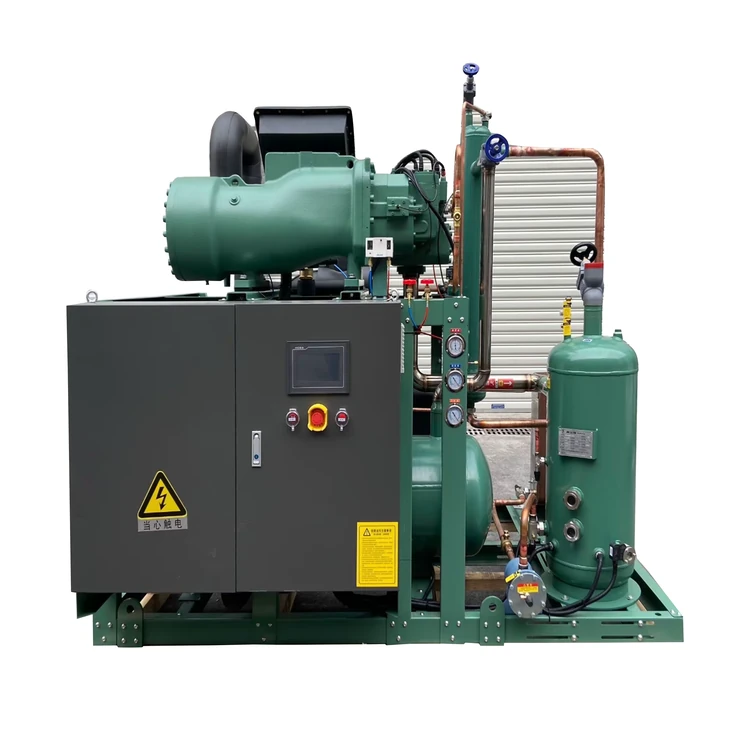
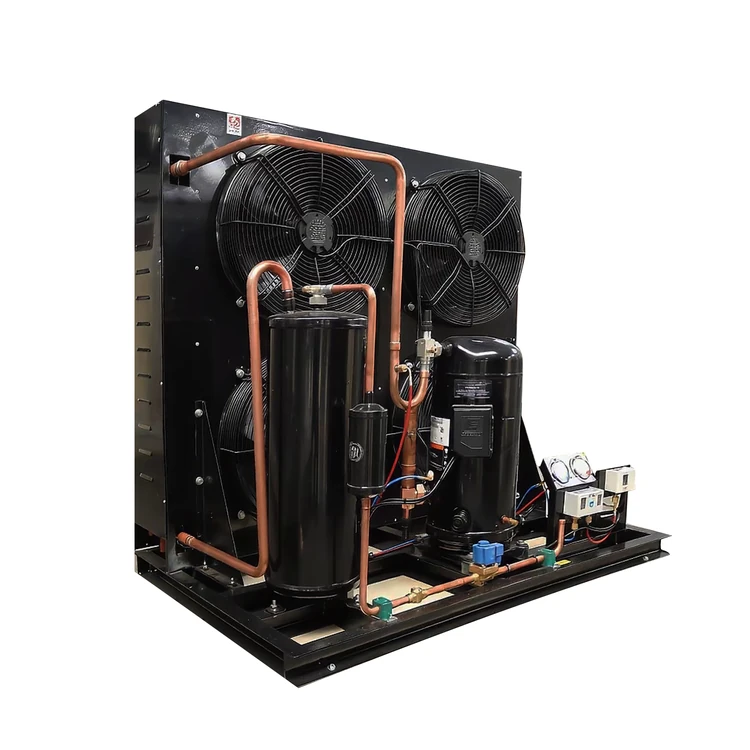
The piston refrigeration unit adopts a reciprocating compression structure, which drives the piston to reciprocate in the cylinder through the crankshaft connecting rod, completing the suction, compression, and discharge of refrigerant. This type of compressor has mature technology, intuitive structure and working principle, mature maintenance methods, and good universality of accessories. It is suitable for cold storage projects that focus on initial investment, maintenance convenience, and low-temperature refrigeration capacity.
Paulair Energy and Environmental Technology Co., Ltd. provides refrigeration equipment and system solutions for commercial refrigeration, industrial refrigeration, and cold chain applications. For fruit and vegetable preservation, aquatic product storage, meat freezing, supermarket warehouses, and some process cooling projects, the company can assist customers in unit selection based on target temperature, cold storage load, operating cycle, and on-site maintenance conditions.
Compared with other types of compressors, the characteristics of piston refrigeration units are mature structure, intuitive maintenance methods, and some models can adapt to lower evaporation temperatures. For projects that are budget sensitive, require low-temperature operation, and have corresponding maintenance conditions, they can be included in the refrigeration scheme evaluation.


Parameter Table of Piston Refrigeration Unit
| parameter item | Parameter Information |
| Product Name | Piston refrigeration unit |
| Compressor type | Volumetric reciprocating compressor |
| Working principle | The crankshaft connecting rod drives the piston to reciprocate, completing the suction, compression, and discharge of refrigerant |
| Structural Characteristics | Mature technology, intuitive system structure, and good universality of accessories |
| Reference evaporation temperature | -35℃ Some models can reach -35 ℃ |
| Capacity adjustment method | Some multi cylinder models support cylinder unloading and grading adjustment |
| Refrigerant | Compatibility examples listed in the technical documentation: R404A, R507, R134a; Please refer to the specific requirements of the model |
| Investment characteristics | The initial equipment investment is relatively low, making it suitable for budget sensitive projects |
| Maintenance features | Valve plates, piston rings, shaft seals and other components need to be inspected and maintained as required |
| Maintenance features | Compared to some other types of compressors, noise and vibration may be higher |
| Typical Applications | Fruit and vegetable preservation warehouse, low-temperature freezer, seafood cold storage, supermarket back warehouse, cooked food cold storage, ice making equipment and process cooling |
| customized content | Equipment selection and system configuration can be based on target storage temperature, cooling load, and project conditions |
| Warranty period | 12 months |
| Technical Support | Equipment selection, installation guidance, remote debugging, troubleshooting and related spare parts support |
Working principle and main characteristics
1. Reciprocating compression, mature technology
The piston compressor changes the cylinder volume through the reciprocating motion of the piston inside the cylinder, enabling the refrigerant to complete the suction, compression, and discharge processes. This structure has a long history of application, clear working principles, and is easy to carry out operational inspections and mechanical component maintenance.
2. Initial investment has advantages
For projects with moderate cooling capacity and limited budget, piston units can be used as one of the equipment procurement options. When selecting, the purchase cost, operating power consumption, maintenance frequency, and spare parts cost should be considered simultaneously, rather than just comparing the initial price of the equipment.
3. Can be used for some low-temperature freezing conditions
Depending on the model, the evaporation temperature of some piston refrigeration units can reach -35 ℃. This capability enables it to be used for some low-temperature freezing projects, including meat, seafood, and other products that require lower storage temperatures.
It should be noted that the evaporation temperature is not the same parameter as the set temperature inside the cold storage. In actual use, the refrigeration capacity of the unit should be checked based on the target storage temperature, heat load, and refrigerant operating conditions.
4. On site inspection and accessory maintenance are relatively intuitive
The valve plates, piston rings, shaft seals, and other components of piston compressors need to be inspected and maintained according to equipment requirements. Its structure is relatively intuitive, and when the corresponding technical conditions are met, some maintenance work can be carried out on site.
For projects in remote areas, with limited maintenance resources, or requiring the establishment of commonly used spare parts inventory, the convenience of equipment maintenance and spare parts supply conditions can be considered as factors when selecting equipment.
5. Multi cylinder models can adopt graded capacity adjustment
Some multi cylinder piston compressors support cylinder unloading and regulate refrigeration output through a staged approach. For cold storage projects with certain changes in load, the adjustment range and operational effectiveness can be evaluated based on specific models.
Applicable industries and application scenarios
Preservation of fruits, vegetables, and agricultural products
Piston refrigeration units can be used for small and medium-sized fruit and vegetable preservation warehouses and agricultural product storage facilities. Equipment selection needs to consider the suitable storage temperature, storage temperature, stacking method, and cold storage ventilation requirements for different fruits and vegetables.
Meat and seafood freezing
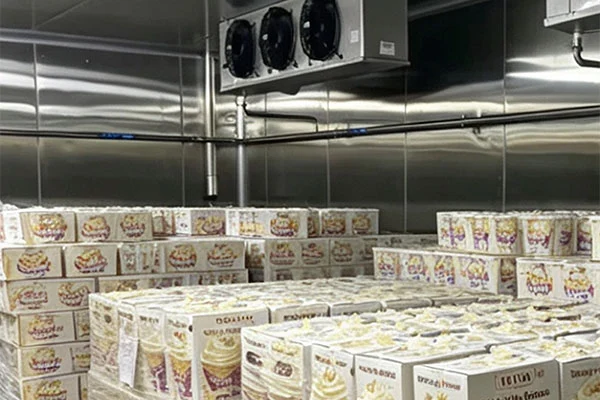
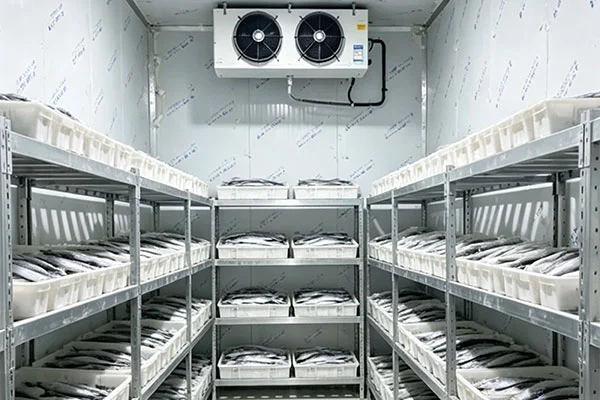
For meat, aquatic products, and related food storage projects that require lower temperatures, piston units suitable for corresponding evaporation temperatures can be evaluated. The actual cooling capacity should be based on the performance data of the specific model.
Supermarket back warehouse and cooked food cold storage
Supermarket warehouses, catering logistics, and cooked food storage projects usually require equipment configuration based on business hours, cargo turnover, and warehouse temperature requirements. Piston units can be used for refrigeration or freezing scenarios that meet the corresponding cooling capacity.
Ice making and industrial process cooling
Some ice making equipment and industrial process cooling systems can also use piston compressors. The model needs to be determined based on the process temperature, continuous operation requirements, and equipment load.
Small and medium-sized container cold storage
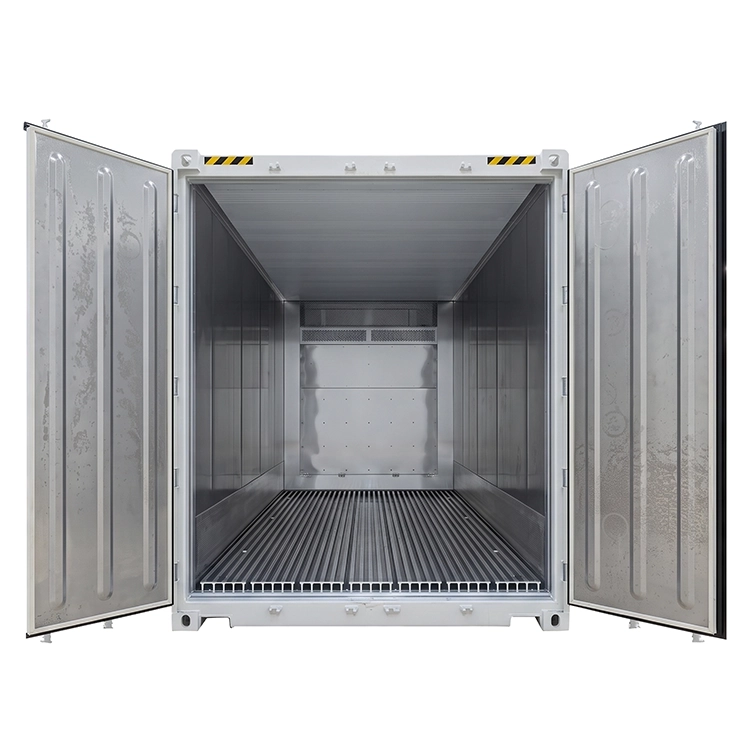
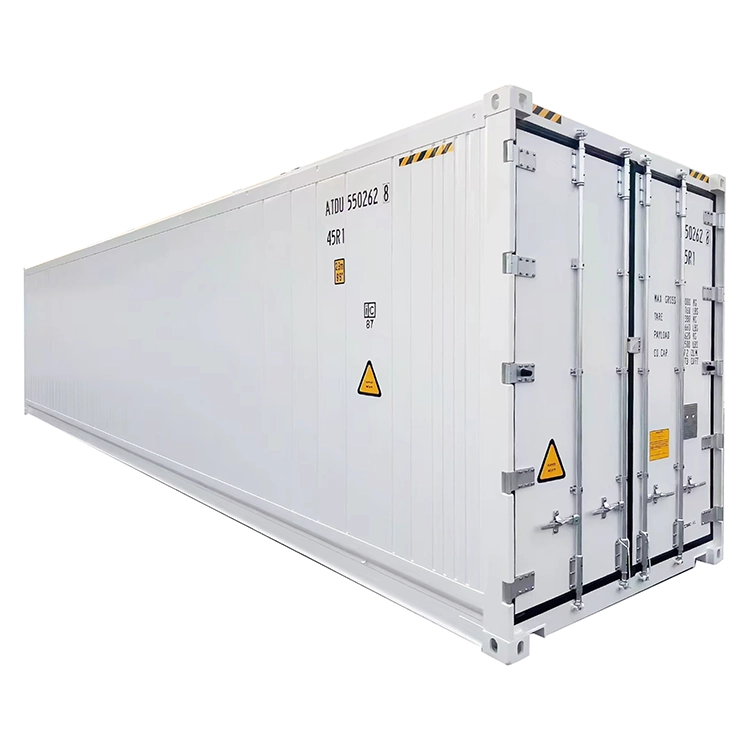
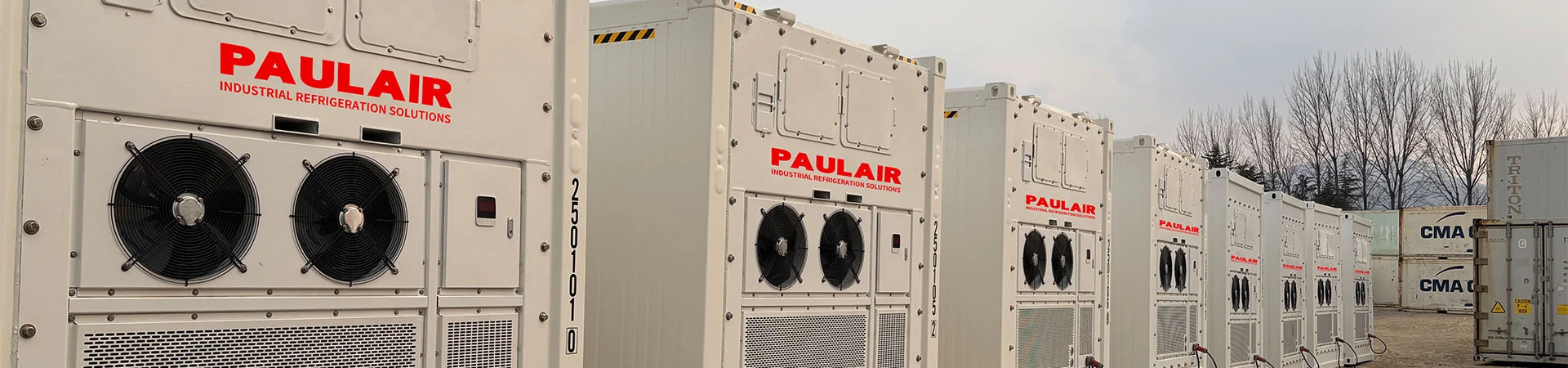
For container cold storage with moderate refrigeration capacity, piston units can be evaluated based on installation space, target temperature, and maintenance conditions. The equipment configuration should match the cold storage structure, air supply method, and control system.
Equipment configuration and maintenance
Piston refrigeration units experience reciprocating mechanical motion during operation, and noise, vibration, and mechanical component wear need to be included in the equipment installation and maintenance plan. During actual operation, attention should be paid to compressor vibration, lubrication status, wear of valve plates and piston rings, shaft seal status, and operating parameters of the refrigeration system.
In terms of refrigerants, the provided technical information lists R404A, R507, R134a and other refrigerants as compatibility examples for related models. The refrigerants that can be used for specific units should be based on the compressor design, equipment nameplates, and product technical documents, and different refrigerants should not be directly considered interchangeable.
Before determining the device model, it is recommended to clarify the following information:
Cold storage target temperature and design evaporation temperature
Cold storage size, insulation materials, and cargo load
Temperature of goods entering the warehouse and daily storage volume
Local environmental temperature and condensation conditions
Running time, load changes, and maintenance conditions
Refrigerant type and power requirements
Paulair's production and technical support
Paulair has production and research and development bases in Jinan and Qingdao, with independent design, research and development, production, and equipment assembly systems. It can carry out refrigeration system configuration and customized solution design according to customer project needs.
The company's R&D team consists of 4 R&D engineers and 2 system engineers, with relevant personnel having 10 years of work experience. The company has 2 invention patents, 16 utility model patents, and 13 software patents, and has independent control system research and development capabilities.
In terms of quality control, the company can conduct inspections of raw materials and components, system airtightness testing, pressure testing, vacuum testing, electrical safety testing, refrigeration performance testing, temperature testing, whole machine operation testing, and factory inspection. The product has obtained the EU CE certification, and the specific scope of application is subject to the product certificate.
after-sales service
Overseas projects can obtain equipment selection, cooling capacity calculation, system configuration, installation guidance, remote debugging, operation training, equipment alarm inspection, operation fault troubleshooting, and related spare parts support according to their needs.
The product warranty period is 12 months, and the after-sales response time is within 48 hours. The supply and replacement of related components do not include consumables, and the specific service scope shall be subject to the contract agreement.
Frequently Asked Questions
Is the piston refrigeration unit suitable for a -35 ℃ freezer?
Some models can operate at an evaporation temperature of approximately -35 ℃. Whether it meets the specific set temperature and freezing load of the cold storage needs to be checked based on the product performance parameters.
What are the main maintenance items of piston refrigeration units?
Usually, attention should be paid to valve plates, piston rings, shaft seals, lubrication status, compressor vibration, and operating parameters of the refrigeration system. The specific maintenance cycle and component replacement requirements should follow the technical documents of the corresponding equipment.
Are piston refrigeration units suitable for projects with limited budgets?
When the refrigeration capacity and operating conditions are adapted, piston units can be used as a selection plan for initial equipment investment projects. When purchasing, it is also necessary to comprehensively compare power consumption, maintenance costs, and expected operating time.
Can the selection be based on the temperature and purpose of the cold storage?
Okay. Customers can provide target storage temperature, cold storage size, cargo type, incoming temperature, and daily cargo turnover, and technicians can evaluate the refrigeration capacity, compressor model, and system configuration based on this information.
Send Inquiry
Contact Info
-
Address
Xinyuan Avenue, Sangzidian Subdistrict, Tianqiao Borough, Jinan City, Shandong Province, China
-
Tel
-
Submit your project specifications to receive tailored guidance, technical drawings, and cheap factory-direct wholesale pricing from our engineering team today.



News Recommendations