

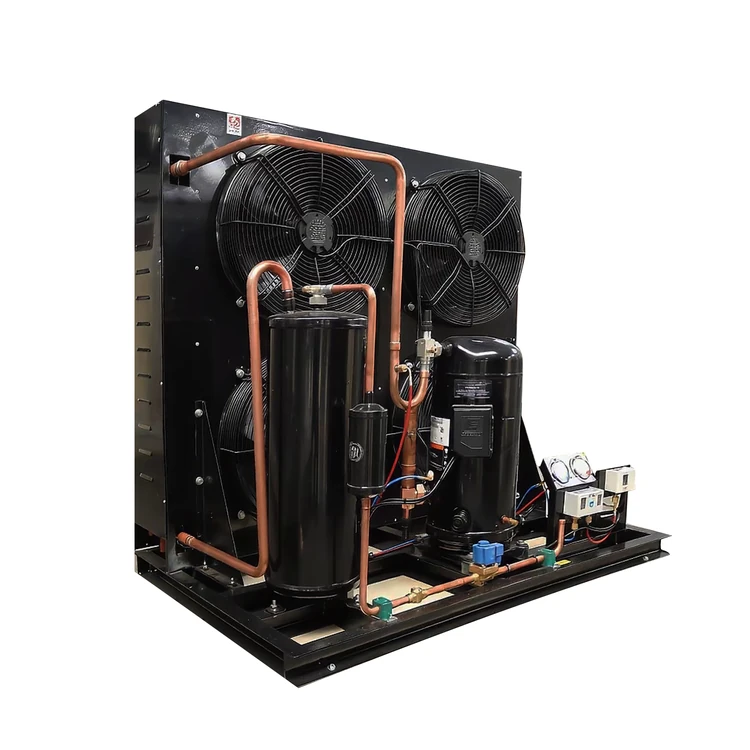
Parallel Type Refrigeration Unit
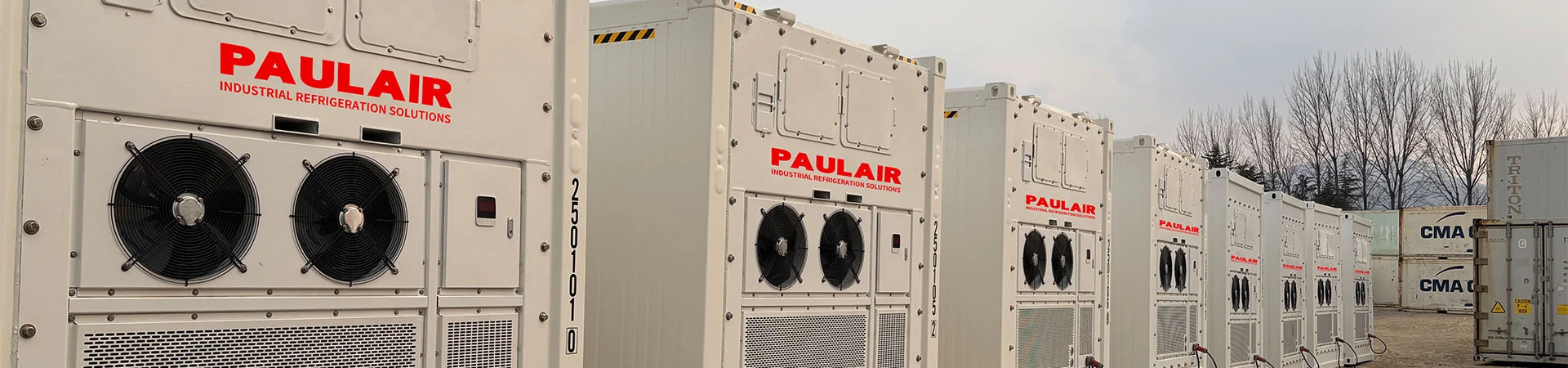
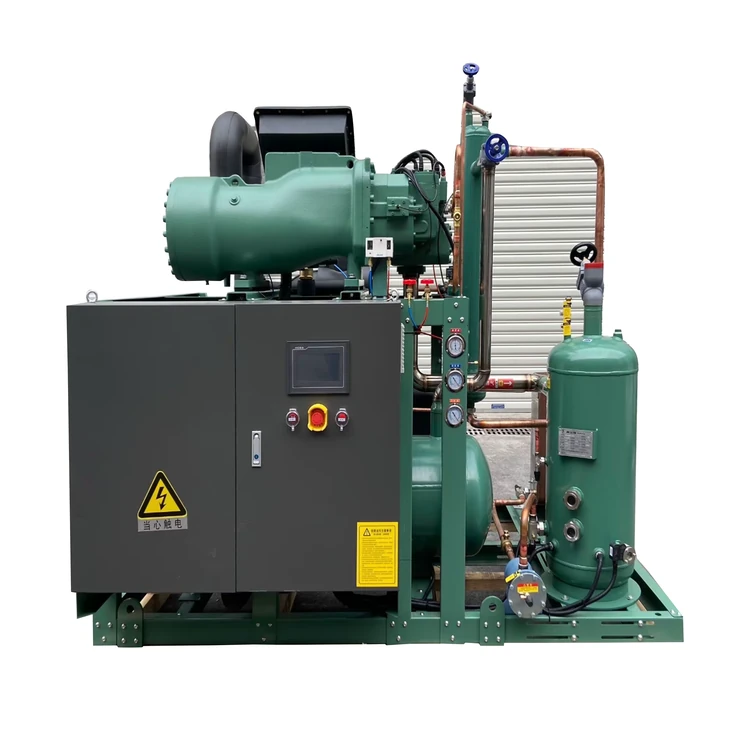
The Paulair Parallel Type Refrigeration Unit is mainly used in large-scale cold storage, multi temperature zone cold chain warehousing, food processing centers, and industrial refrigeration projects. The equipment operates in parallel with multiple compressors and automatically adjusts the operating quantity according to the actual cooling load, ensuring that the system maintains high operating efficiency under different load conditions. Compared to a single high-power compressor solution, parallel systems have the characteristics of energy saving, stable operation, easy maintenance, and flexible expansion, making them suitable for commercial and industrial cold chain projects that require long-term continuous operation.
For large-scale cold storage and cold chain logistics projects, Parallel Type Refrigeration Unit not only needs to meet current refrigeration needs, but also needs to consider long-term operating costs, equipment reliability, and future expansion needs.
Traditional standalone systems typically use a single compressor to handle all refrigeration loads. When the cold storage goods enter and exit frequently, the ambient temperature changes, or the load in some areas decreases, the equipment may still maintain high power operation, which can easily cause energy waste. Meanwhile, once the core equipment malfunctions, the entire refrigeration system may be affected.
Parallel Type Refrigeration Units operate by combining multiple compressors in the same system, automatically starting or stopping some compressors according to the actual load situation of the cold storage, making the refrigeration output more in line with actual needs.
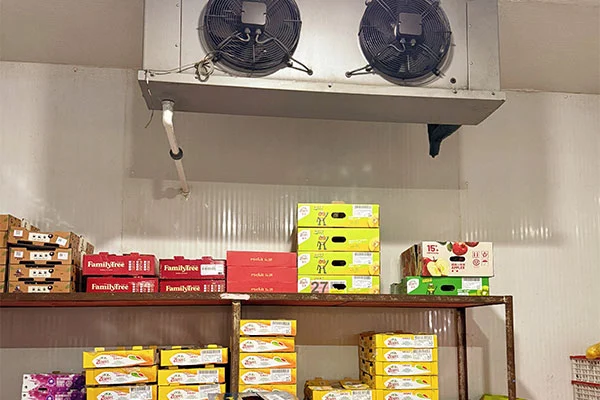
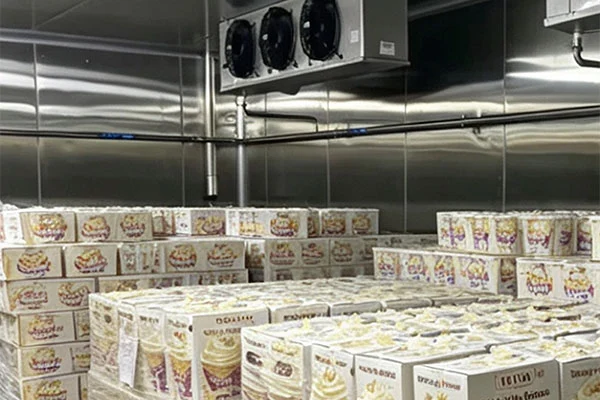
The Paulair parallel refrigeration unit is designed according to the project scale, temperature requirements, and operating characteristics, and can be applied to different temperature zones such as refrigeration, freezing, and quick freezing, providing a more stable refrigeration solution for large-scale cold chain projects.


Why is Parallel Type Refrigeration Unit more suitable for large cold storage?
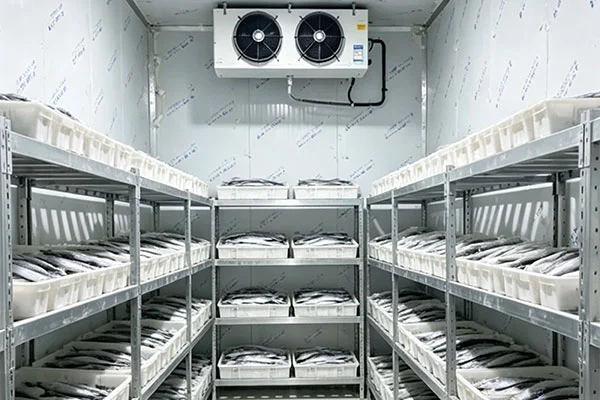
Large cold storage facilities typically have characteristics such as large area, high storage capacity, long operating time, and significant load changes.
For example, cold chain logistics centers may have peak periods of centralized inbound and outbound operations every day, and the required cooling capacity may vary significantly at different time periods. If the refrigeration equipment cannot adjust its operating status according to the load, it is easy to encounter the problem of long-term high load operation of the equipment.
It can operate in coordination with multiple compressors and adjust the number of openings according to actual needs. Under low load conditions, only running a portion of the compressor can meet the cooling requirements; When goods are stored in a centralized warehouse or the ambient temperature is high, the system can increase the number of compressors in operation to improve refrigeration capacity.
This operating mode can not only reduce unnecessary energy consumption, but also reduce the pressure caused by long-term full load operation of a single compressor, and improve the overall service life of the equipment.
For large cold storage facilities that require year-round operation, the energy-saving effect and operational stability of the equipment often directly affect the long-term operating costs of the enterprise.
Energy saving operation, reducing long-term operating costs
The energy-saving advantage of parallel refrigeration units mainly comes from their load matching ability.
Large cold storage facilities are not always in a state of maximum cooling demand. For example, after the decrease in goods entering and leaving at night, the temperature of the cold storage will stabilize, and the actual required cooling capacity will decrease. If fixed capacity equipment is used for operation, there may be an excess of cooling capacity.
Parallel systems can adjust the compressor operation combination through control strategies, allowing the equipment to output cooling capacity according to actual needs.
At the same time, some parallel systems can be combined with variable frequency control technology to make the compressor start more smoothly and further optimize the efficiency of partial load operation.
According to different project configurations, the energy-saving effect of parallel units in actual operation will be affected by factors such as cold storage structure, ambient temperature, load changes, and control methods. A well-designed system can help reduce long-term electricity consumption in large cold storage facilities.
Stable operation, improving the reliability of cold storage
For food processing, pharmaceutical cold chain, and large-scale logistics warehousing, stable operation of refrigeration systems is crucial.
It use multiple compressors working together. When one compressor needs maintenance or malfunctions, the other compressors can still continue to operate, maintaining partial refrigeration capacity and reducing the risk of the entire cold storage shutdown.
Compared to a single large compressor system, a parallel system is more flexible in equipment maintenance. Enterprises can conduct maintenance according to production schedules without having to affect the entire cold storage operation due to individual component problems.
In addition, multiple compressors adopt a rotating operation mode, which can make the equipment running time more balanced, reduce the long-term high-frequency use of a single equipment, and improve the overall reliability of the system.
Flexible expansion to adapt to changes in cold storage scale
Large scale cold chain projects typically require later expansion.
For example, cold chain logistics companies may increase their warehouse space as their business grows, while food processing companies may add new freezing production lines. If fixed capacity equipment is used, later expansion may require replacing the entire refrigeration system, which is costly.
Parallel refrigeration units have modular characteristics, which can increase equipment configuration or adjust system capacity according to future needs, enabling the refrigeration system to have better expansion capabilities.
For large-scale cold storage projects in the construction phase, reasonable planning of parallel systems can avoid the problem of renovating refrigeration equipment in the short term and improve project investment utilization.
Manufacturing capability
Paulair has production and research and development bases in Jinan and Qingdao, with capabilities in refrigeration equipment design, system assembly, and complete machine testing.
For large-scale cold storage projects, the company can design parallel unit solutions according to customer needs, including compressor configuration, refrigeration capacity calculation, temperature zone planning, and control system matching.
During the production process, the company controls the quality of key equipment links, including:
Inspection of refrigeration components upon arrival at the factory;
Refrigeration system assembly;
Pipeline airtightness test;
Stress testing;
Vacuum testing;
Electrical safety testing;
Refrigeration performance testing;
Complete machine operation test.
Through factory production and testing processes, it can be ensured that the equipment meets the design and operational requirements before delivery.
At the same time, the company can provide equipment selection, installation guidance, remote debugging, operation training, and after-sales technical support services for overseas customers.
Application fields
They are mainly used in projects that require high continuous operation capacity and refrigeration stability.
Typical applications include:
Large scale cold chain logistics center;
Refrigeration and freezing systems in food processing plants;
Meat and seafood processing enterprises;
Prefabricated vegetable production base;
Large central kitchen cold storage;
Pharmaceutical cold chain warehousing;
Multi zone combined cold storage;
Quick frozen food production line;
Industrial process refrigeration project.
For projects that require long-term operation, multi zone cooling, or potential expansion in the future, parallel systems can provide more flexible solutions.
Technical Specifications
| project | |
| Product Name | |
| System form | Multiple compressors running in parallel |
| Compressor configuration | Select based on the cooling capacity requirements of the project |
| Control method | Automatic load regulation and intelligent control are optional |
| Applicable temperature range | Different temperature requirements such as refrigeration, freezing, and quick freezing |
| Operational characteristics | Partial load energy-saving, multi machine collaborative operation |
| Application scenarios | Large cold storage, cold chain logistics, food processing, industrial refrigeration |
The specific configuration will be determined based on the cooling requirements of the project.
What is the difference between parallel refrigeration units and ordinary refrigeration units?
Ordinary refrigeration units usually operate with a single compressor, and the equipment structure is relatively simple, suitable for small projects with stable cooling demand.
Parallel refrigeration units operate by combining multiple compressors, making them more suitable for large cold storage and application environments with significant load changes.
There is no absolute substitution relationship between the two, the main difference lies in project scale and operational requirements. If customers require long-term continuous operation, high reliability, and future scalability, parallel systems are usually more suitable for large-scale cold chain projects.
FAQ
Is parallel refrigeration unit suitable for small cold storage?
Parallel systems are mainly used in medium to large cold storage projects. For small cold storage facilities, ordinary refrigeration units are usually sufficient to meet the demand and need to be selected based on actual cooling capacity and investment budget.
Will a compressor failure in a parallel unit affect its use?
It will not completely stop running. Due to the system being composed of multiple compressors, during maintenance of a single device, other compressors can still continue to provide partial cooling capacity.
Is it more energy-efficient?
Compared to fixed capacity standalone systems, parallel systems can adjust the number of operations based on actual cooling loads and have better energy utilization efficiency under partial load conditions. The actual energy-saving effect needs to be determined based on the operating conditions of the project.
Can parallel refrigeration units simultaneously meet multiple temperature zones?
Okay. According to the project design, the parallel system can provide cooling support for different refrigeration and freezing areas, achieving multi temperature zone operation.
Can Paulair design a parallel system based on the cold storage project?
Okay. The company can design refrigeration solutions based on information such as cold storage area, stored products, target temperature, and operating environment, and provide equipment manufacturing and technical support.
Send Inquiry
Contact Info
-
Address
Xinyuan Avenue, Sangzidian Subdistrict, Tianqiao Borough, Jinan City, Shandong Province, China
-
Tel
-
Submit your project specifications to receive tailored guidance, technical drawings, and cheap factory-direct wholesale pricing from our engineering team today.




News Recommendations