

Container Freezer Room for Raw Pork
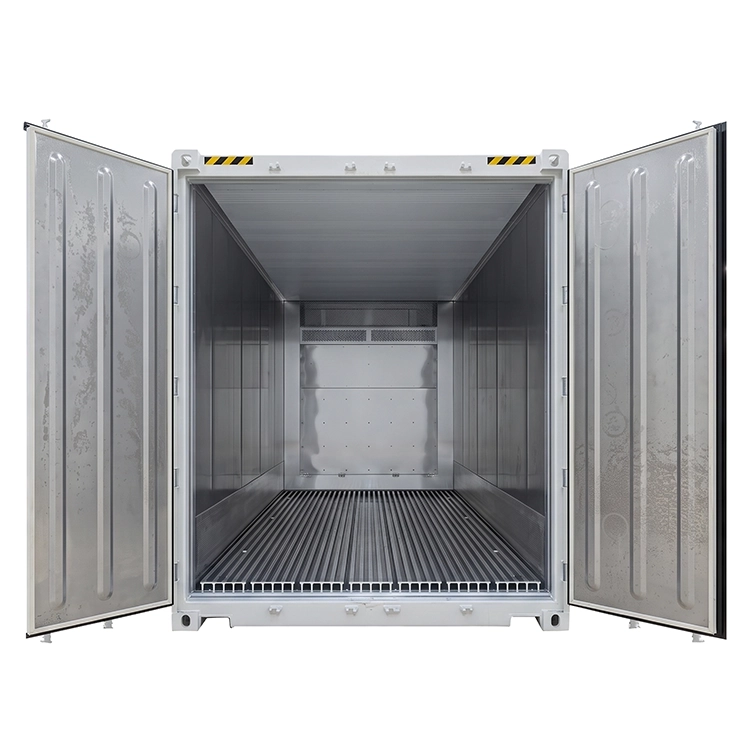
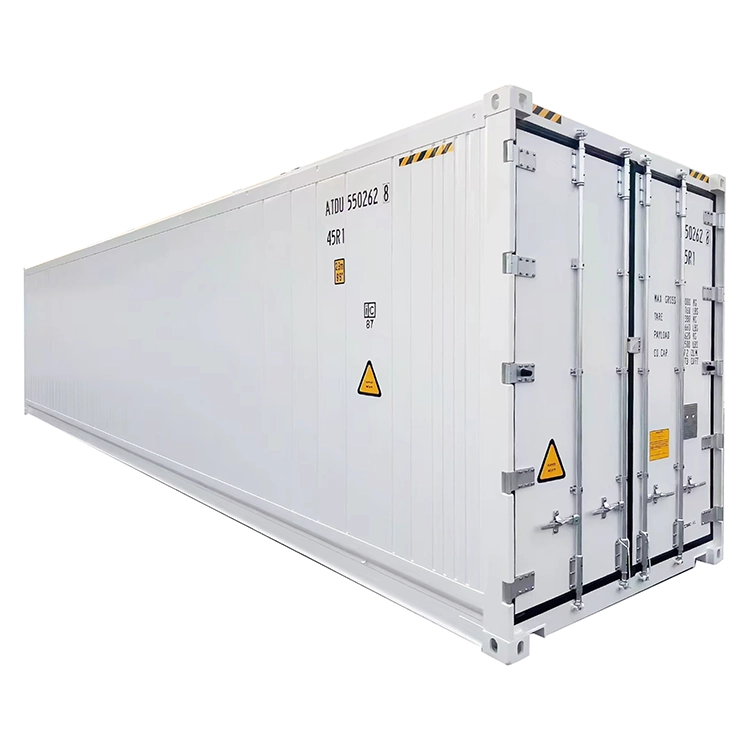
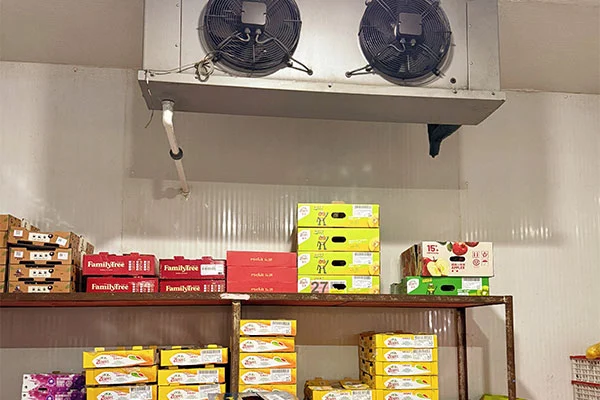
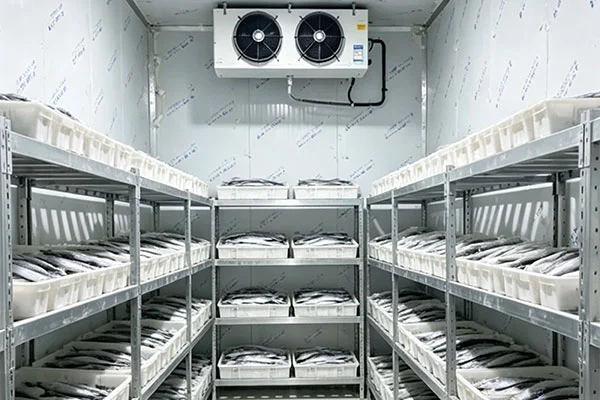
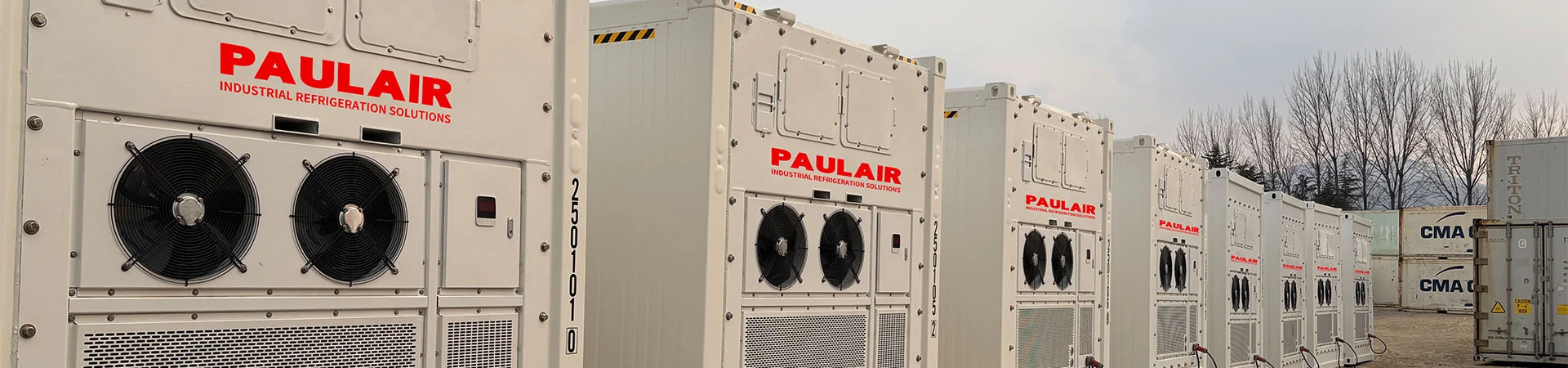
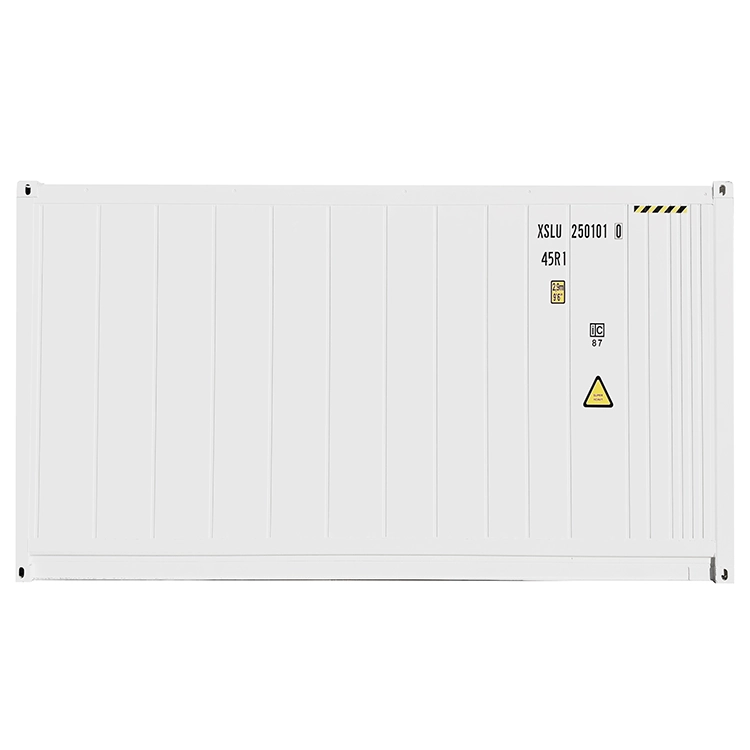
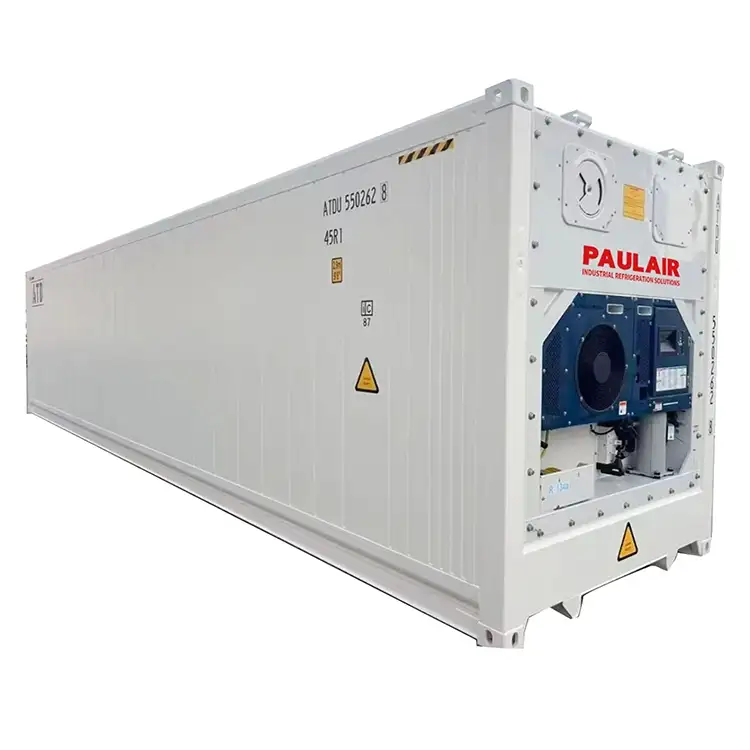
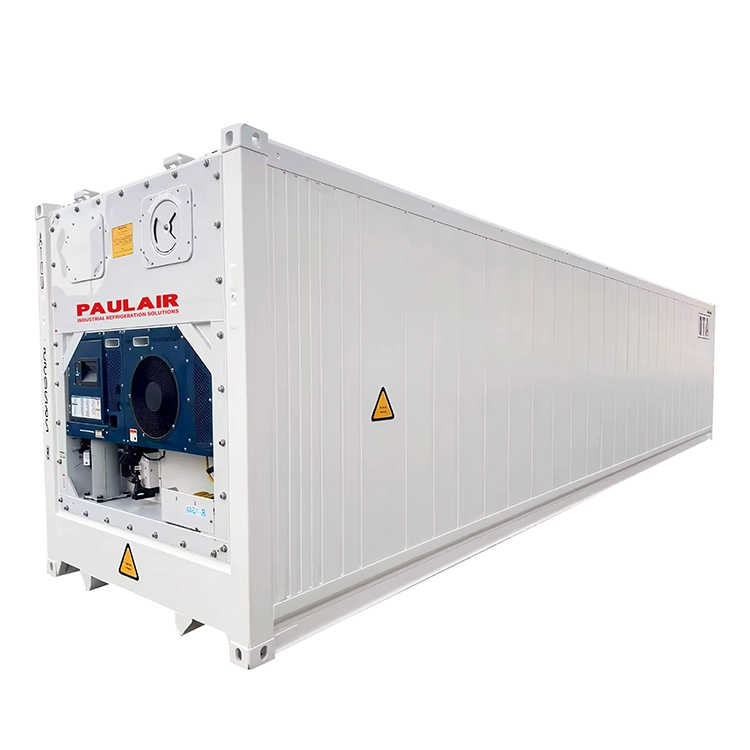
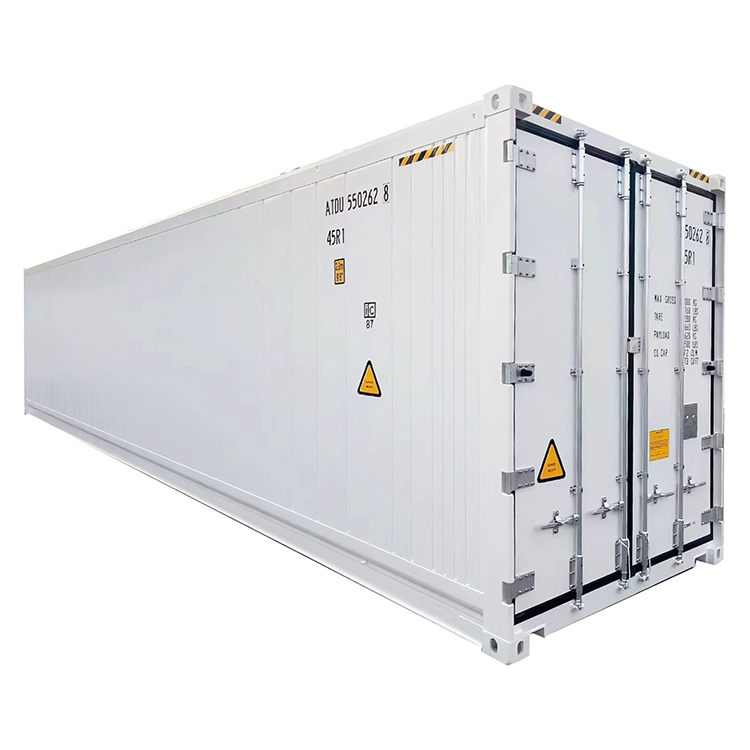
The Container Freezer Room for Raw Pork is suitable for the transportation, storage and logistics transfer of frozen meat. It can maintain a continuous low temperature of -18℃ or below, and offers an optional deep cold mode ranging from -25℃ to -30℃. It uses 100mm PU insulation board, double-layer sealing and PLC intelligent control to reduce heat loss and temperature fluctuations, and offers optional functions such as temperature recording and IoT remote monitoring. It supports 20ft, 40ft and customized non-standard sizes.
The Container Freezer Room for Raw Pork is mainly used for frozen meat transportation, temporary storage and logistics transfer. The equipment operates at a continuous low temperature of -18℃ or below. Through a combination of insulation, sealing, refrigeration, air flow organization and temperature recording systems, it reduces the risks caused by temperature rise during transportation, heat loss of cold energy and packaging damage. The equipment offers standard specifications of 20ft and 40ft, and can also be designed non-standardly according to the loading method, refrigeration temperature and usage environment.

core parameters
| Items | parameters |
| frozen temperature | Below -18℃ |
| Deep cold mode | -25℃ to -30℃ |
| temperature fluctuation | Within ±1℃ |
| insulation board | ≥100mm High-density PU integral foaming board |
| heat conductivity coefficient | ≤0.024 W/(m·K) |
| Container door | Double-layer sealing |
| PLC control | Temperature control, automatic defrosting, fault self-diagnosis |
| temperature recording | optional,Data saving period ≥ 90 days |
| IoT monitoring | optional,Support remote temperature monitoring |
| specification | 20ft、40ft and non-standard |
| Test items | 72-hour continuous operation, airtightness, watertightness, air flow test |
Why does frozen pork require a stable environment of -18℃?
The frozen pork is already in a frozen state during transportation, so the focus of the equipment is not on repeatedly "cooling down", but on maintaining the frozen state. After loading into the container, if external heat continues to enter or if the refrigeration capacity does not match the heat load of the goods, the temperature inside the container may rise. Long-term temperature fluctuations may also affect the ice crystal state of the frozen products and their quality after thawing. Therefore, in the equipment design, we focus on handling three aspects: insulation → refrigeration → uniform air flow.
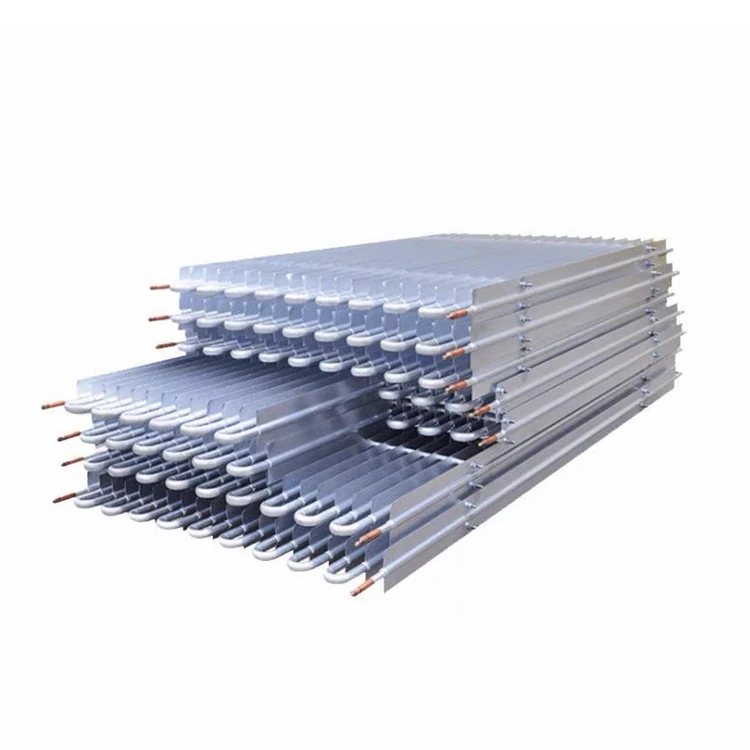
The 100mm PU insulation structure prevents external heat from entering; the refrigeration unit is responsible for establishing and maintaining a low-temperature environment; CFD simulation combined with actual tests is used to optimize the cold air circulation and reduce local temperature differences inside the container cold storage.

Design for the storage and transportation of frozen meat
deep cold refrigeration
The basic operating temperature of the equipment is -18℃ or lower, and it supports a deep cooling mode ranging from -25℃ to -30℃. The refrigeration system can be configured according to the size of the box, the heat load of the goods, and the operating environment. For frozen meat that has just been loaded into the equipment and has a higher initial temperature, the refrigeration unit and the cooling capacity can also be strengthened based on the actual working conditions.

Insulation and Sealing
The container body is made of ≥100mm high-density PU integral foaming insulation board, with a thermal conductivity of ≤0.024 W/(m·K). It is also equipped with a double-layer sealed door. The equipment can conduct a test for the airtightness of the door seal, and the leakage rate is controlled to be less than 5% according to the current plan, thereby reducing the loss of cooling capacity from the container body and the door body positions.

Air flow inside the container cold storage
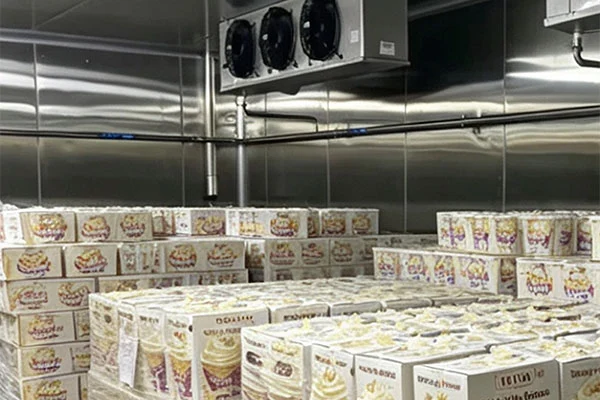
After the frozen meat is loaded, different height and density areas of goods will form. Simply increasing the cooling capacity cannot solve all the temperature difference problems. Therefore, we optimize the return air distribution through CFD fluid simulation + actual operation tests, so that the cold air can enter the space between the goods, reducing local temperature differences and cold air dead zones.

Temperature recording and remote monitoring
The PLC control system supports automatic defrosting and fault self-diagnosis. According to the project requirements, a temperature recorder can be added, with a data retention period of ≥ 90 days; or an IoT module can be configured to view the running data, historical temperature curves and abnormal alarms through a mobile phone or computer.

Customization scope of Container Freezer Room for Raw Pork
Different loading methods and transportation routes do not require exactly the same configuration for the cold storage. We can conduct engineering design around the following aspects:
20ft / 40ft Standard container cold storage
Operating temperature ranging from -18℃, -25℃ and -30℃
Power enhancement of the refrigeration unit
Internal anti-slip trays and supports
temperature recording system
IOT remote monitoring
emergency power supply
Design related to frozen meat packaging and prevention of dryness and spoilage
Among them, the backup power supply and temperature recording are optional features of the project. The specific configuration will be determined based on the actual transportation and use conditions.

Performance testing before leaving the factory
After each set of equipment is manufactured, tests need to be conducted on the refrigeration and the performance of the container cold storage.
72-Hour Continuous Operation Simulate continuous operation under conditions with significant temperature differences to check the stability of the refrigeration system.
Airtightness and Watertightness Testing Inspect the container body, doors, and connection points to reduce cooling loss and prevent external moisture from entering.
CFD Analysis and Actual Airflow Measurement Analyze cold air circulation inside the container and adjust the air ducts and air supply methods based on actual test results. These tests are intended to verify the equipment's actual performance during continuous operation, rather than checking individual components alone.

Applications
Cross-Border Transportation of Frozen Pork
As mobile low-temperature storage and transportation equipment, the container cold storage connects the cold chain between slaughtering and processing facilities, ports, and overseas transportation.
Port and Logistics Transshipment
When fixed cold storage capacity is insufficient, the unit can serve as temporary storage space for frozen products and be deployed flexibly according to site conditions.
Frozen Food Storage and Distribution
It can be used for storing and transporting frozen meat cuts, by-products, and other frozen food products that require temperatures of -18℃ or below.

Manufacturing and Services
We are responsible for the entire process from engineering design, equipment manufacturing, installation and commissioning to after-sales maintenance. Product manuals and usage instructions will be provided upon equipment delivery. In case of technical issues, authorized service agents in the relevant region can be arranged; for urgent situations, our technical staff can offer remote technical guidance and debugging support.

Pre-sale and after-sale services
Pre-sale demand analysis
When customers make inquiries, we will focus on confirming information such as product types, packaging methods, single batch weight, target temperature, storage temperature, transportation time, operating regions, and whether remote monitoring is required. These parameters directly affect the cooling capacity, container structure and internal loading design. Therefore, confirming these details in advance can reduce the time for making subsequent modifications.
Certificates:


FAQ
What temperature can the Container Freezer Room for Raw Pork maintain?
The standard operating temperature is -18℃ or below, with a deep-freezing mode of -25℃ to -30℃ available.
Can it be used for long-distance or cross-border transportation?
Yes. The equipment can be used for cross-border transportation, port transshipment, and frozen food storage. The specific configuration depends on the transportation conditions.
Are both 20ft and 40ft units available?
Yes. Both 20ft and 40ft units are available, with customization options for non-standard dimensions and internal structures.
Can the refrigeration capacity be increased?
Yes. For projects with specific requirements for cargo temperature, ambient temperature, or pull-down time, the refrigeration units can be configured accordingly.
Engineering Project Consultation
For frozen pork transportation, port transshipment, or temporary frozen storage, we can design the refrigeration system and container configuration based on the container dimensions, operating temperature, cargo loading capacity, and operating environment, providing a container cold storage solution tailored to the project requirements.

Send Inquiry
Contact Info
-
Address
Xinyuan Avenue, Sangzidian Subdistrict, Tianqiao Borough, Jinan City, Shandong Province, China
-
Tel
-
Submit your project specifications to receive tailored guidance, technical drawings, and cheap factory-direct wholesale pricing from our engineering team today.
News Recommendations