

Container Cold Room for Vaccines and Biologicals
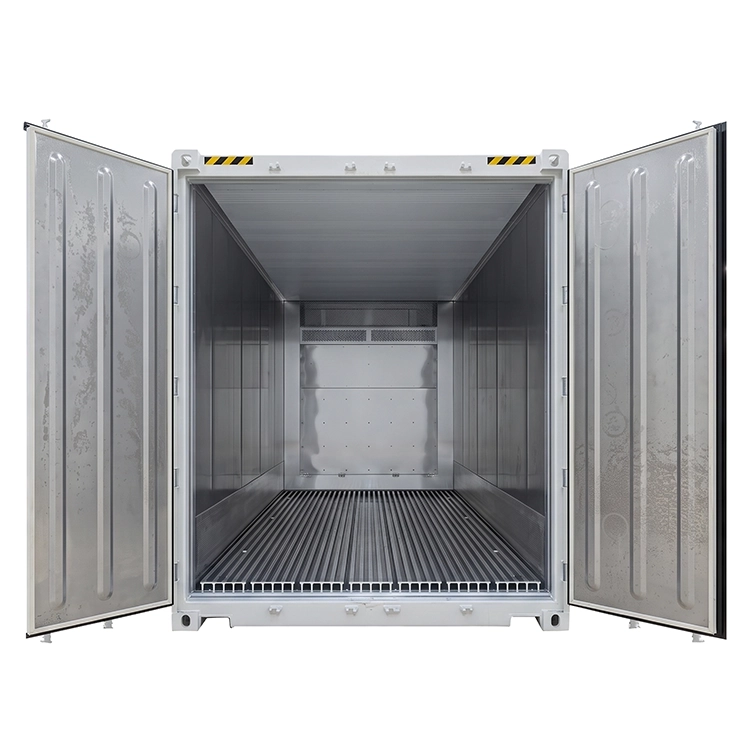
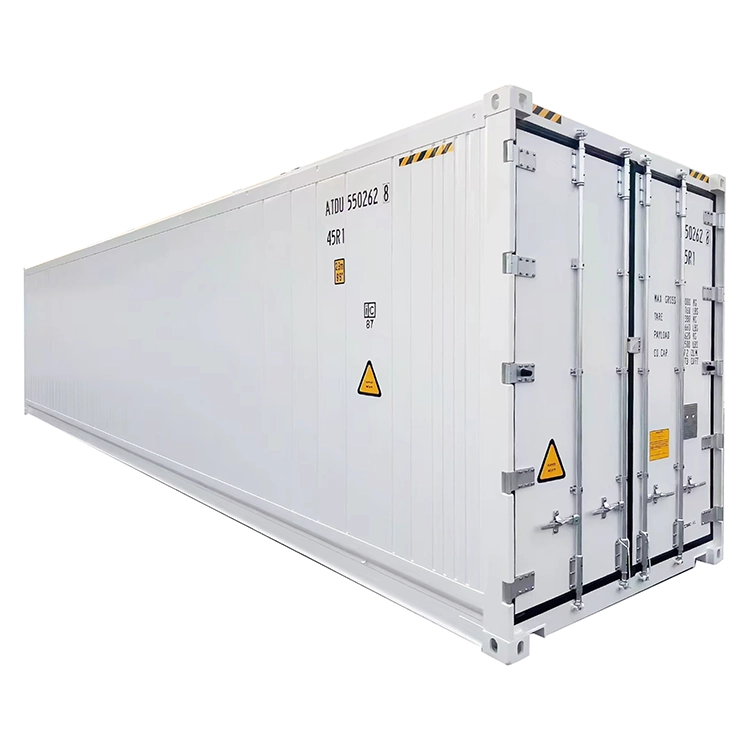
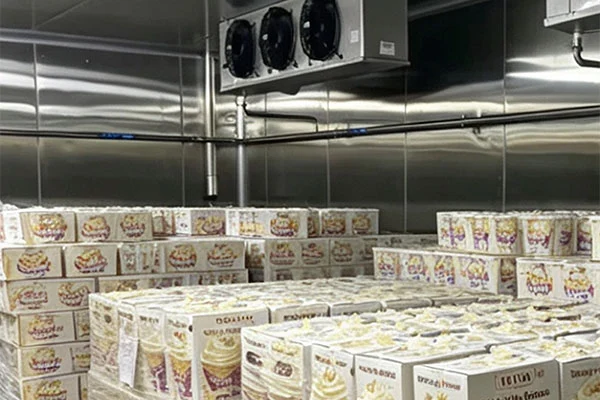
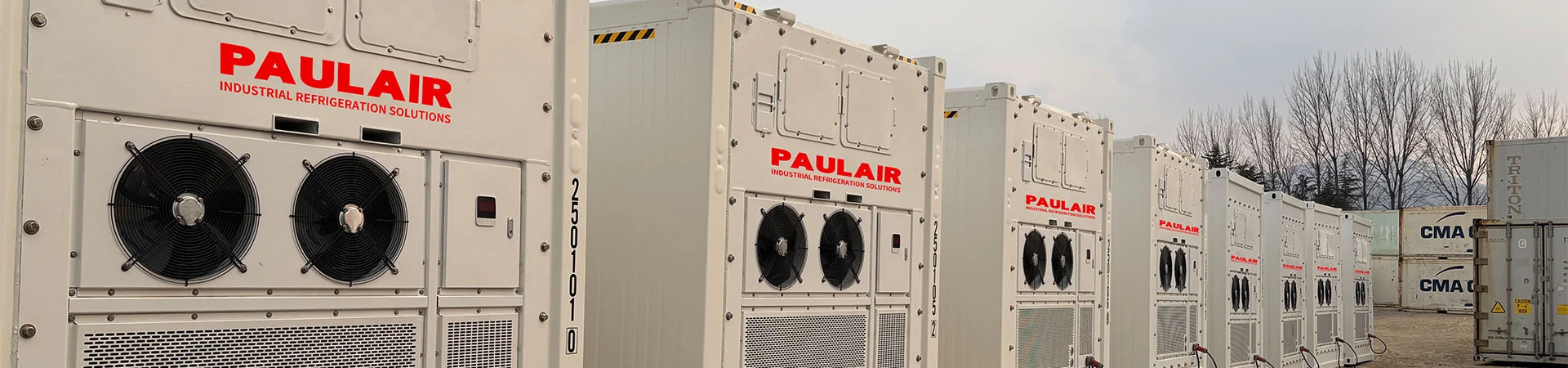
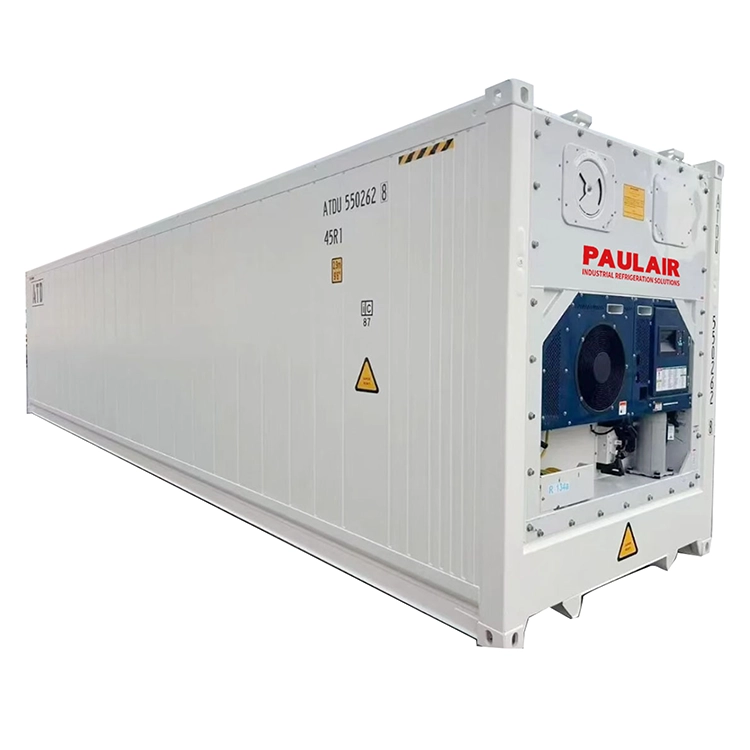
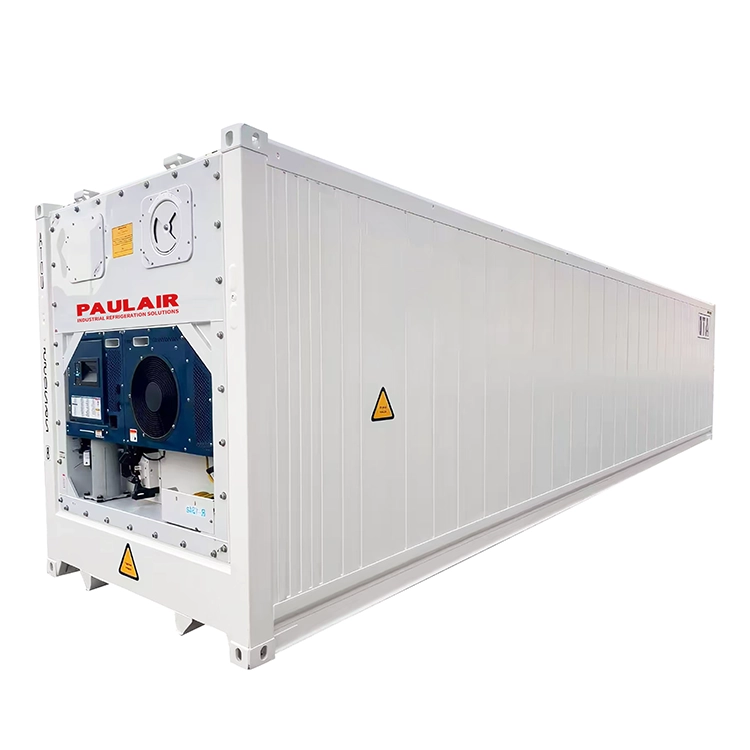
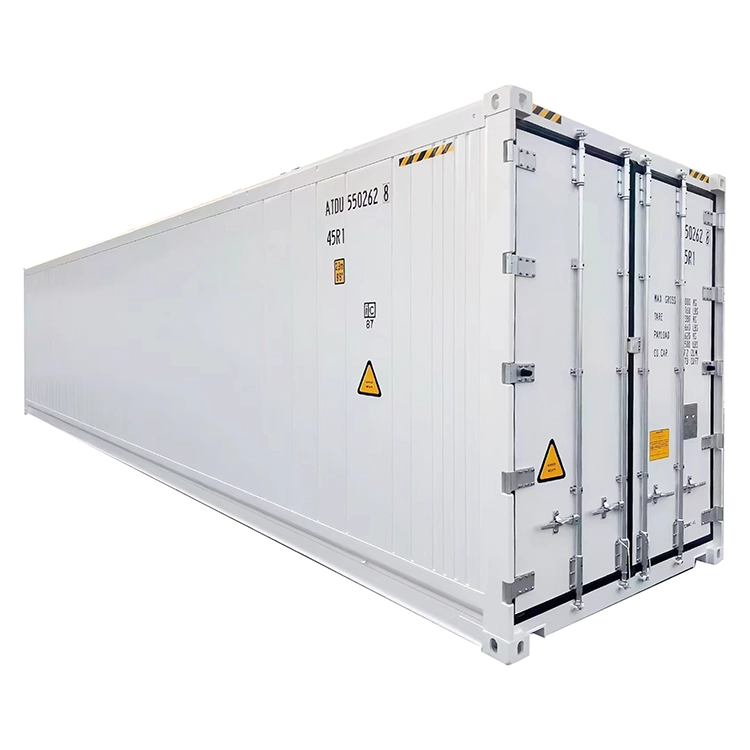
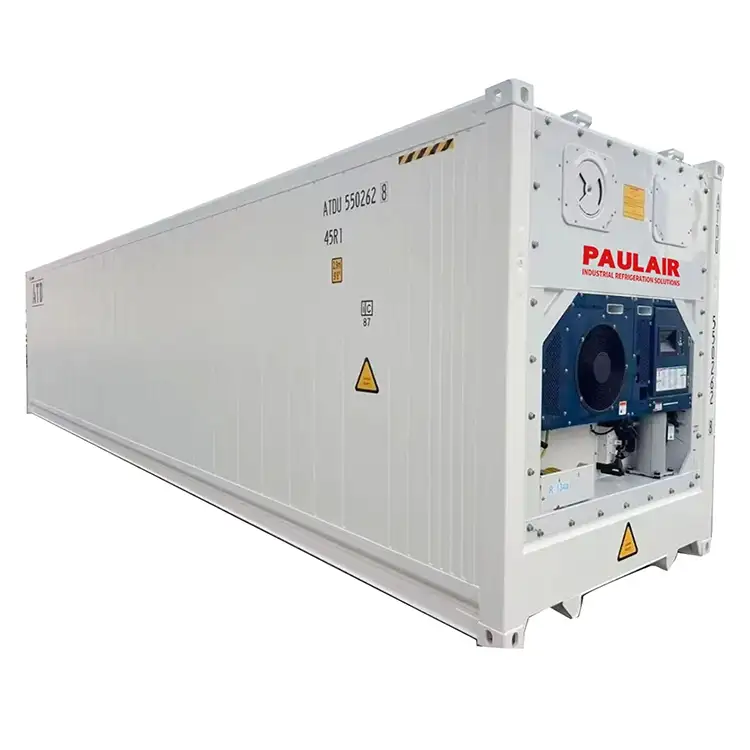
The Paulair Container Cold Room for Vaccines and Biologicals is designed for the refrigeration and transportation of temperature-sensitive products such as vaccines and biological agents. It can be customized according to project requirements, featuring temperature control within 2℃ to 8℃, variable frequency PID, anti-freezing protection, temperature and humidity monitoring and alarm systems, as well as backup cooling and remote data monitoring configurations.
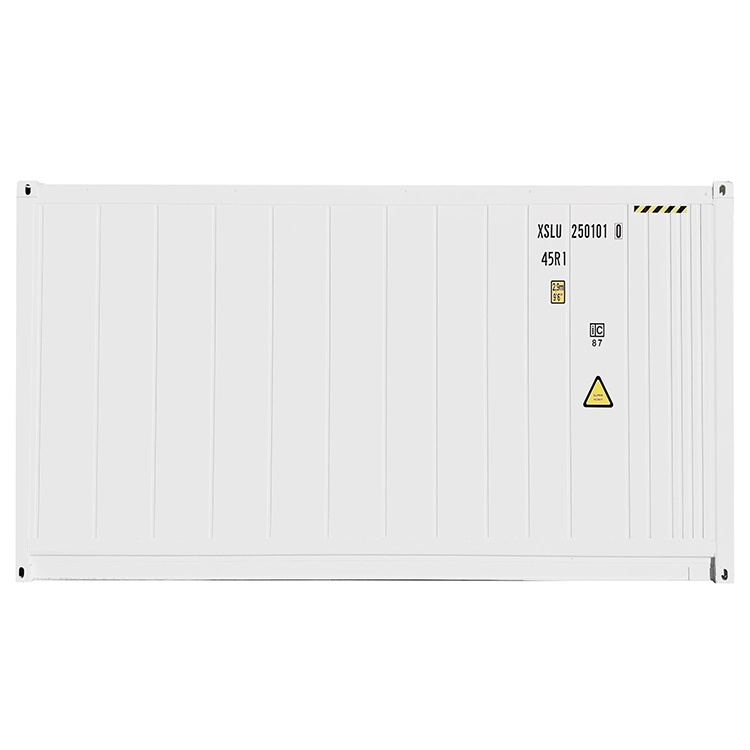
The Paulair Container Cold Room for Vaccines and Biologicals is used for the refrigeration storage, transportation transfer and temporary storage of vaccines, biological agents and other temperature-sensitive medicines. The product mainly operates within the temperature range of 2℃ to 8℃. It can be configured with refrigeration, temperature and humidity monitoring, alarm, backup refrigeration and data recording systems according to the type of goods, loading volume, operating environment and project requirements. The container structure is convenient for transportation, transfer and on-site deployment, and is suitable for applications such as vaccine production and distribution, pharmaceutical logistics, port transfer, hospitals and vaccination-related facilities that require temperature-controlled storage.

Temperature control within 2℃ to 8℃
Vaccines and biological agents have specific requirements for storage and transportation temperatures. Therefore, container cold storage needs to take into account factors such as cooling capacity, container insulation, air circulation, loading method, and external environment. Equipment can be configured according to the 2℃ to 8℃ refrigeration requirements. For projects that require a smaller temperature fluctuation range, the temperature control plan can be designed by considering the container size, cargo loading volume, ambient temperature, and refrigeration system configuration. If the project requires a temperature fluctuation control of ±0.5℃, this can be confirmed as a specific technical solution and test indicator, rather than being set as a unified standard for all equipment.

Dual refrigeration unit configuration
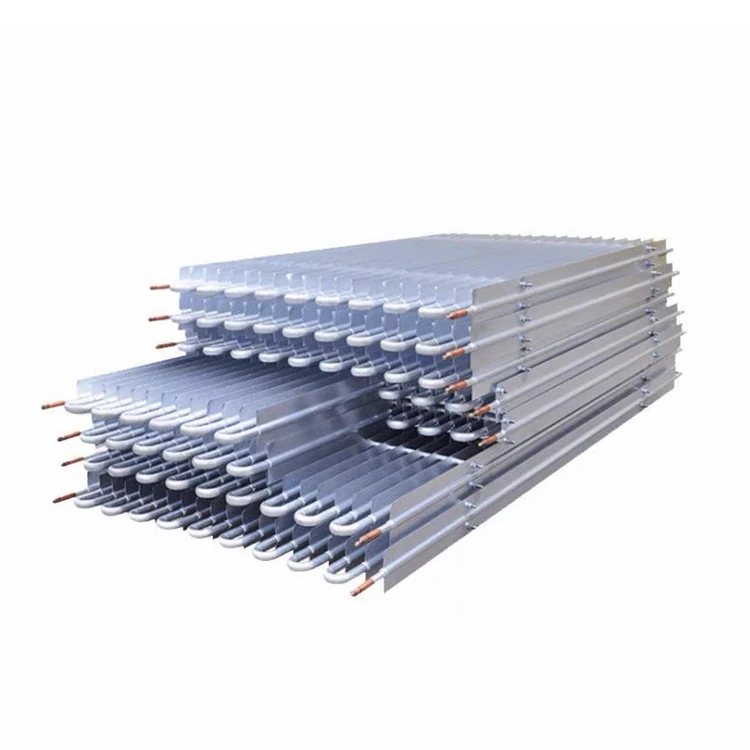
For goods such as vaccines and biological preparations that have strict requirements for temperature continuity, a dual independent refrigeration unit (one in use and one as a backup) can be configured. During normal operation, the main unit takes on the refrigeration load, and the backup unit is activated according to the control logic when the main unit fails or a switch is required. Specific details include refrigeration capacity, unit model, startup conditions, switching logic, and backup methods. These should be determined based on the container size and project operation requirements. This configuration is mainly used to reduce the impact of a single refrigeration equipment failure on the temperature control inside the container.

Temperature and humidity monitoring and alarm system
The equipment is equipped with an automatic temperature and humidity monitoring system. It can collect temperature data from different positions inside the container, and according to the project requirements, set the monitoring points, sampling intervals, alarm range and data storage method.
temperature monitoring
humidity monitoring
Multi-level alarm
data recording
remote monitoring
LOT data upload

If the project has GSP or other requirements for pharmaceutical storage and transportation verification, the monitoring points layout, record cycle, alarm parameters and verification documents can be determined according to the project requirements. For projects that require more frequent recordation, the sampling interval can be set to 5 minutes or shorter, depending on the actual configuration of the monitoring system.

container insulation and air flow organization
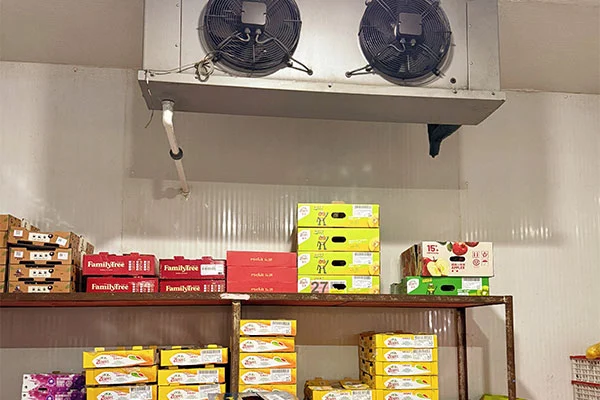
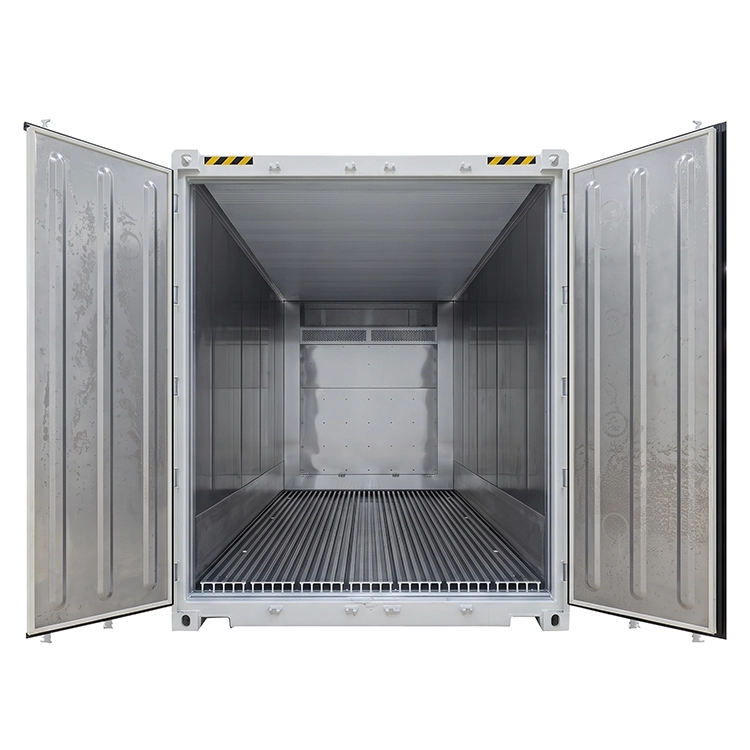
The temperature stability of container cold storage is not only dependent on the refrigeration unit, but also related to the insulation of the container body, the sealing of the door, the air circulation, and the placement of the goods. The container body can use PU integral foaming insulation panels with a thickness of ≥ 100mm, and the thermal conductivity of the insulation material can reach ≤ 0.022 W/(m·K) as the configuration requirement. The door, sealing structure, and refrigeration air supply and return methods need to be designed in combination with the refrigerated space. For goods such as vaccines and biological preparations that require a uniform temperature environment, the local temperature differences can be reduced by adjusting the air supply and return methods, equipment positions, and goods arrangements. The actual temperature uniformity should be based on the equipment testing and project verification data.

Optional configuration
Depending on the specific pharmaceutical cold chain projects, the following configurations can be added:
| Items | Plans |
| temperature range | 2℃~8℃ |
| Cooling system | dual refrigeration systems: one for use, one for backup |
| temperature and humidity monitoring | Automatic |
| Alarm | Multi-level temperature alarm |
| Data management | Data recording, remote monitoring, IoT |
| Anti-freezing configuration | Configure the heating and other measures as per the project requirements |
| Layout inside the container cold storage | Separate different storage areas |
| power supply mode | Configure backup/dual power supply according to the project requirements |
| Data track | Determined based on the actual system configuration |
| Temperature verification | Empty-load and full-load temperature distribution test |
Some configurations are optional for the project and do not constitute the standard configuration for all devices. The specific configurations shall be subject to the technical plan and the confirmed contents of the contract.
Anti-freezing and low-temperature protection
The refrigeration equipment at 2℃ to 8℃ needs to control the temperature inside the control box, while avoiding excessively low temperatures in certain areas. For goods such as vaccines and biological preparations, anti-freezing designs can be carried out based on the refrigeration system, evaporator layout, air supply method, and the placement of the goods. For projects with special anti-freezing requirements, additional auxiliary heating or corresponding temperature protection control can be added. The specific anti-freezing methods should be determined based on the equipment structure and the verification results of the project.

ex-factory test
Paulair will conduct tests related to the refrigeration operation and temperature control of the container cold storage, focusing on the refrigeration system, temperature control, container sealing, and the temperature distribution inside the containers.
Continuous operation test
Conduct continuous operation tests based on the equipment's operating conditions to check the operating status of the refrigeration unit and the temperature control situation.
If the project requires a 72-hour continuous full-load test, it can be arranged as part of the project testing content. The specific testing conditions will be determined according to the equipment specifications and the project requirements.

Air tightness and waterproofing inspection
Check the sealing conditions of the container body, door body and connection positions to reduce the impact of external air and moisture entering on the temperature environment inside the container.
Verification of temperature distribution
According to the project requirements, conduct temperature distribution tests under no-load or loaded conditions. Collect data from multiple monitoring points to confirm the temperature variations at different positions within the container. For projects requiring pharmaceutical cold chain verification, corresponding testing and verification support can be provided based on the actual verification plan.

Applications
Vaccine production and distribution
It is used for refrigerated storage during vaccine production, storage, transportation transfer and regional distribution. According to project requirements, it can be equipped with 2℃~8℃ refrigeration, backup refrigeration, temperature monitoring and alarm systems.

Pharmaceutical Logistics and Transshipment
Suitable for pharmaceutical logistics centers, storage nodes and transportation transfer use. When the fixed cold storage space is insufficient or when additional refrigeration capacity needs to be temporarily increased, container cold storage refrigeration space can be adopted.

Port and logistics terminals
The container structure is suitable for temporary deployment in places such as ports and logistics parks, and is used for the transfer of medicines and biological products that require temperature control.

Hospitals and vaccination-related facilities
It can be used as temporary or auxiliary refrigeration spaces in hospitals, disease control centers and vaccination-related facilities. The specific temperature and monitoring configuration will be determined according to the requirements of the stored products.
How to obtain the container cold storage solution
To determine the cooling capacity, container structure and monitoring configuration, it is recommended to provide the following information during the procurement process:
The Container Cold Room for Vaccines and Biologicals type of vaccines or biological agents
Target storage temperature
Maximum loading capacity per batch or cargo volume
Required container cold storage dimensions
Use area and environmental temperature
Land transportation, sea transportation or fixed-site use methods
Single transportation or storage time
Is it necessary to have a backup refrigeration system?
Is remote temperature monitoring required?
Is there a need for anti-freezing, auxiliary heating or internal partitions in thecontainer cold storage?
Is it necessary to conduct temperature distribution testing and provide verification documents?
These pieces of information will directly influence the selection of refrigeration equipment, the insulation structure, the number of monitoring points, and the testing plan.

Technical support and after-sales service
Paulair offers technical support ranging from requirement confirmation, project design, equipment manufacturing to commissioning and after-sales services. Product information and operation instructions can be provided upon equipment delivery. During the equipment usage, if there are issues with temperature control, refrigeration operation or control system, fault diagnosis and technical guidance can be conducted remotely first; when on-site handling is required, local authorized service personnel can provide support according to the service arrangement. For pharmaceutical cold chain equipment that requires project verification, temperature tests, operation commissioning and related technical document preparation can be carried out in accordance with project requirements.

Certificates:


Send Inquiry
Contact Info
-
Address
Xinyuan Avenue, Sangzidian Subdistrict, Tianqiao Borough, Jinan City, Shandong Province, China
-
Tel
-
Submit your project specifications to receive tailored guidance, technical drawings, and cheap factory-direct wholesale pricing from our engineering team today.
Related Products
News Recommendations