

Container Blast Freezer Room for Pastry
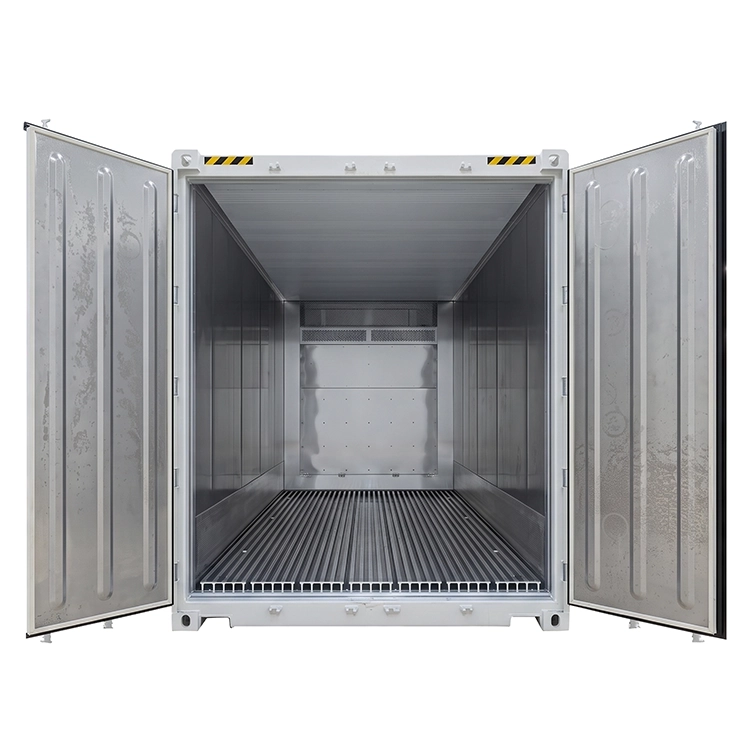
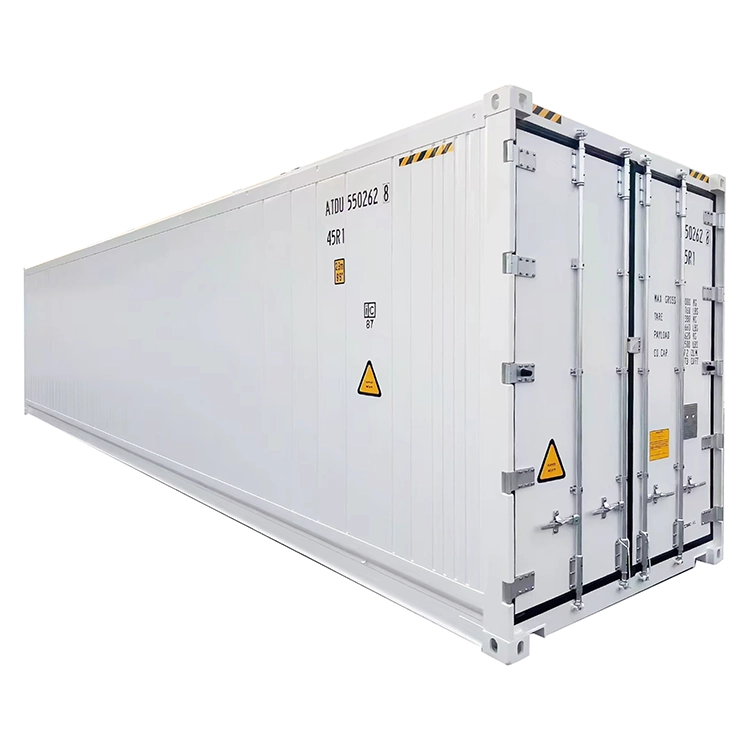
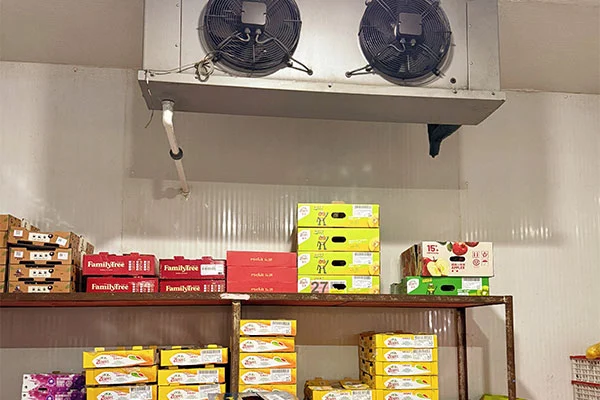
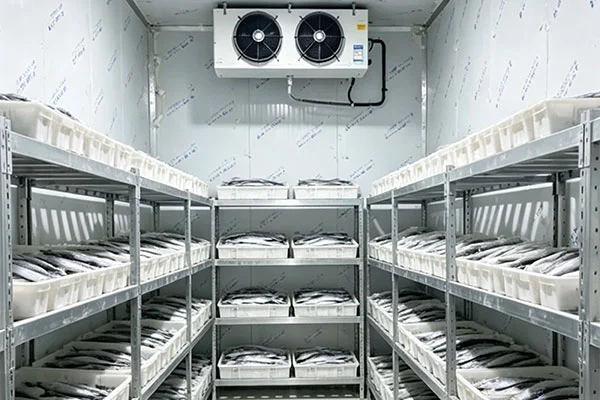
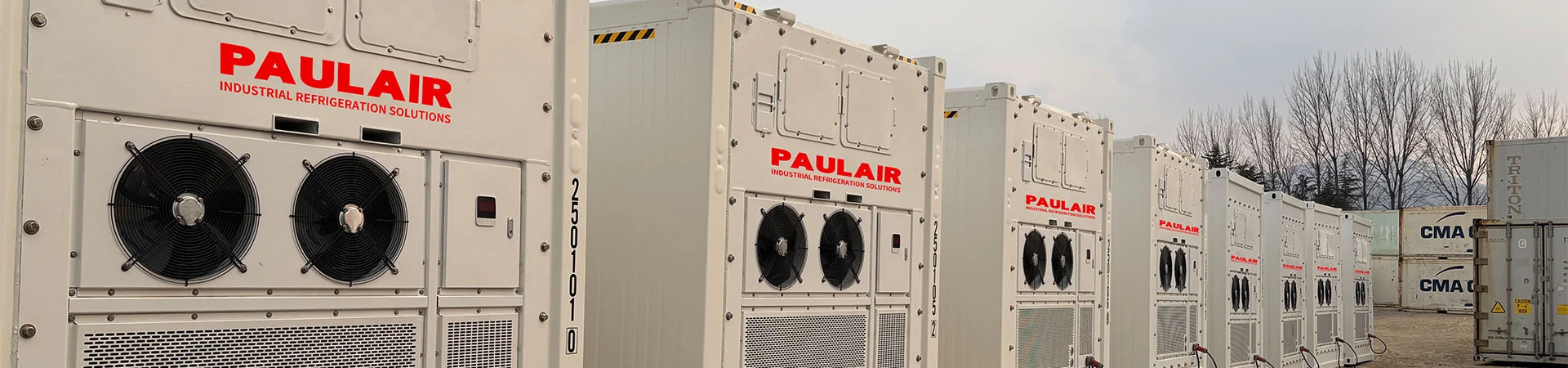
Engineered for fast-freezing and cold-chain transport, the Container Blast Freezer Room for Pastry holds stable temperatures at -18°C or lower (±1°C margin) to preserve delicate items like dumplings, buns, and tangyuan. Units come in 20ft, 40ft, or custom dimensions, featuring tailored anti-squeeze racking, optimized airflow, and optional IoT tracking for end-to-end quality control.
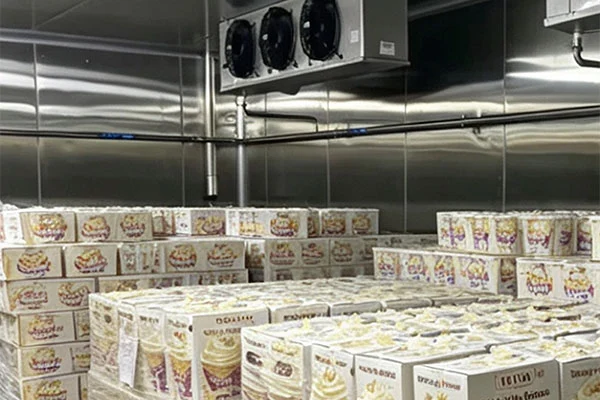
After the frozen dumplings, stuffed buns, and tangyuan products are frozen, the requirements for storage and transportation environment are not merely "low temperature". The packaging of pastries is prone to being compressed, and the surface moisture will sublimate during the long-term freezing process. Repeated temperature changes may also cause frosting, adhesion or local rewarming.
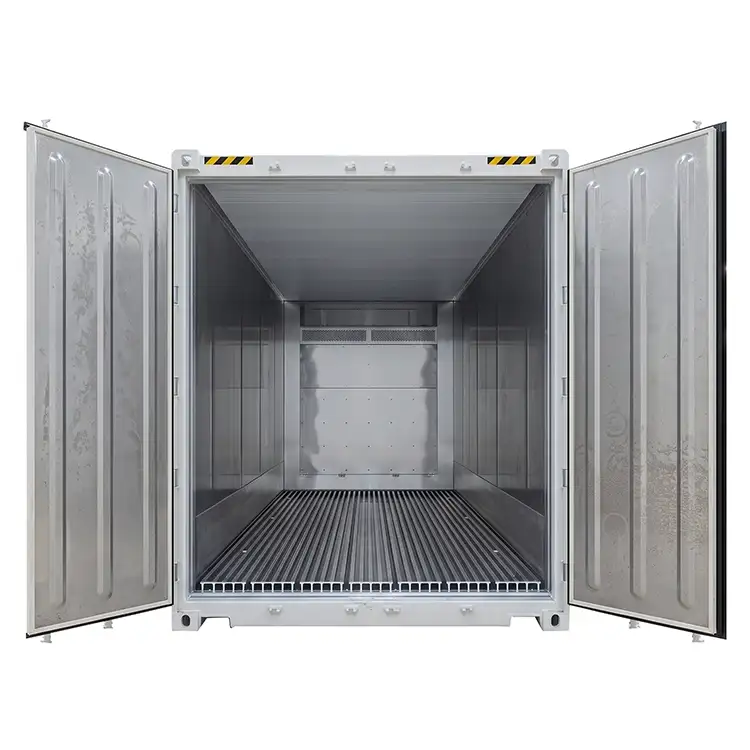
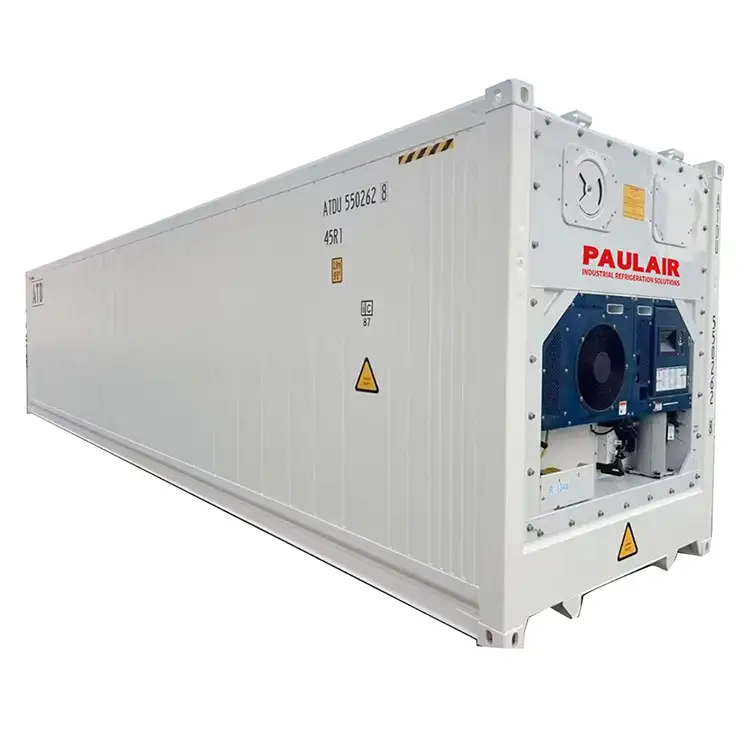
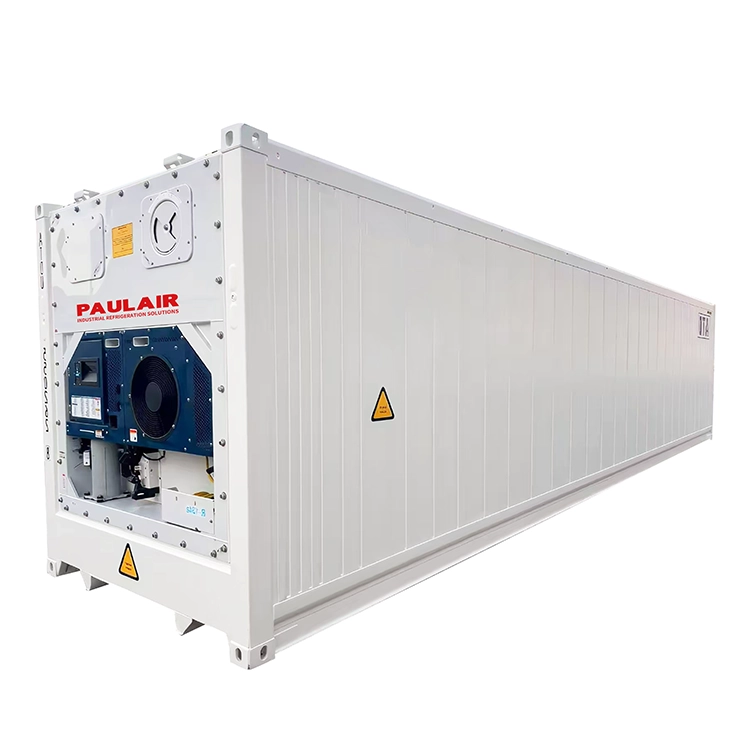
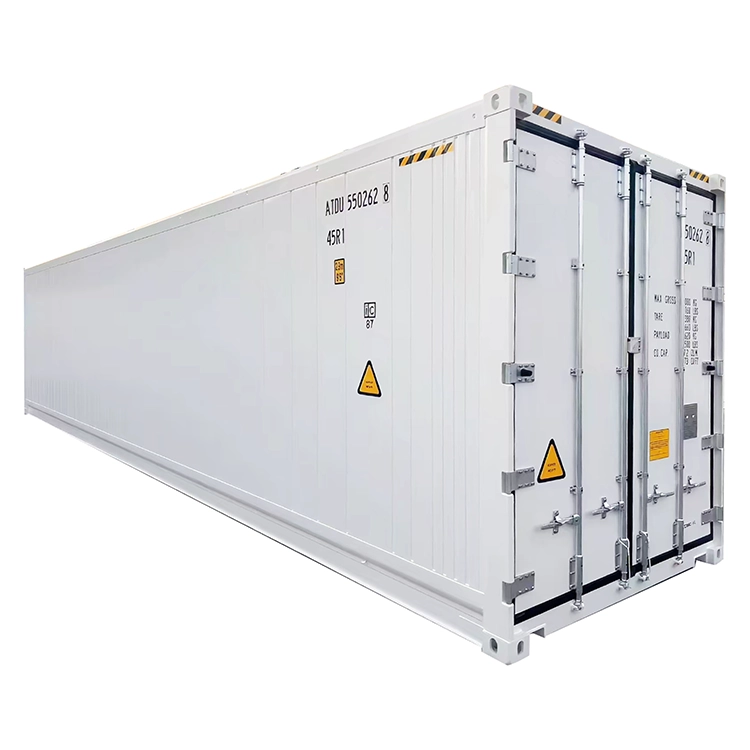
For this type of product, our equipment design covers several aspects including container body insulation, refrigeration stability, air flow organization, cargo support and handling process. Both 20ft and 40ft standard container cold storages as well as non-standard specifications can be configured according to actual usage conditions.

First determine the goods, then determine the structure inside the container cold storage
The appearance and packaging methods of frozen pastries vary greatly. Bagged dumplings are usually stacked together in cardboard boxes or woven bags. Buns are more sensitive to pressure at the top, while the packaging of tangyuan and yuanxiao usually needs to consider anti-sticking and anti-frosting. Therefore, the internal layout of container cold storage does not need to be exactly the same. We can design anti-pressure partitions, buffer supports, anti-slip supports based on the packaging size and loading method, and reserve reasonable cold air circulation space.
| Pastries | Design Focus | Available Structures |
| frozen dumplings | Packaging compression, goods displacement | Anti-slip support and cushioning frame |
| Frozen stuffed buns | Stacking under pressure, packaging deformation | Anti-squeeze partition, layered support |
| Sweet soup balls | Package damage, frosting, and adhesion risks | Packaging adaptation, airflow optimization |
| Bagged frozen pastries | Stacking stability, cold air circulation | Non-standard supports, reasonable air ducts |
| Long-distance transportation of goods | Transport vibration, temperature fluctuations | Buffer structure, sealing optimization |
The purpose of this design is to keep the goods stable while avoiding any blockage of the cold air passage due to stacking.

Operating at -18℃ is just the starting point; stability is of greater importance.
Our Container Blast Freezer Room for Pastry operates at a constant temperature of -18℃ or lower. The designed temperature fluctuation is controlled within ±1℃. It should be noted that the container cold storage is mainly used for the storage and transportation of already frozen products, and it does not replace the freezing machines in food processing plants. Before the goods enter the cold storage, they have already reached the corresponding freezing state. The equipment is responsible for maintaining the low-temperature environment during the subsequent storage and transportation process.

Therefore, the project design not only needs to take into account the capacity of the refrigeration unit, but also needs to consider factors such as the opening of the container door, the temperature difference in the external environment, the insulation performance, the loading capacity and the air flow inside the consider. By reducing the temperature variations caused by these aspects, the pastries can maintain a stable frozen state during transportation.

Preventing cracking and water loss, starting from air flow organization
When frozen pastries are stored and transported for a long time, the moisture on the surface of the products will gradually undergo sublimation. If cold air is continuously blown towards a certain batch of goods for a long time, or if the air flow distribution inside the box is unreasonable, some local products may show more obvious dehydration phenomena. Therefore, we can optimize the air flow organization based on the actual loading method. Through CFD fluid simulation and actual tests, we can adjust the air ducts inside the box to make the cold air cover the goods area as evenly as possible, reducing the excessive local cold air and temperature dead zones.

For products with strict requirements for surface conditions, buffer and support structures can also be designed in combination with the packaging form to ensure that the goods maintain an appropriate distance from the air ducts, the container body and other packaging.
Products such as sweet soup balls need to pay special attention to temperature fluctuations and frosting.
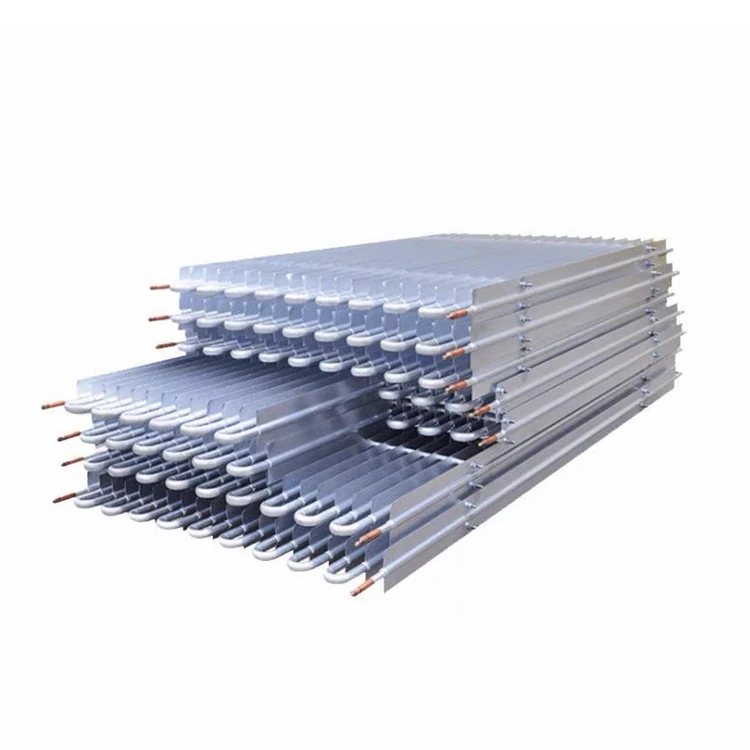
For products such as sweet soup balls during low-temperature transportation, in addition to maintaining the frozen state, it is also necessary to reduce the surface frosting caused by temperature changes and the changes in packaging conditions. The container cold storage adopts double-layer sealed doors, combined with an overall foaming insulation structure, to prevent external hot air from entering. The PLC control system is responsible for temperature control and automatic frosting, avoiding the impact of frosting on heat exchange during equipment operation.

If the project requires a deeper understanding of the temperature changes during the transportation process, an IoT remote monitoring module and a full-process temperature recorder can be added to enable the upload of operation data and the query of historical data.
The insulation layer forms the crucial foundation for long-term refrigeration operation
When container cold storage remains in a low-temperature state for a long time, the insulation performance of the container directly affects the amount of external heat entering and the operating load of the refrigeration equipment. Our containers use high-density polyurethane (PU) integral foaming insulation panels, with the insulation panel thickness being ≥ 100mm, and the thermal conductivity being ≤ 0.024 W/(m·K). Additionally, they are equipped with double-layer sealed doors.

This container structure works in conjunction with the refrigeration system and control system to maintain a stable low-temperature environment, rather than relying solely on the refrigeration unit to continuously enhance its cooling capacity.
Core technical parameters
| Items | parameters |
| Product name | Container Blast Freezer Room for Pastry |
| container cold storage size | 20ft / 40ft,and non-standard |
| Design operating temperature | Below -18℃ |
| Temperature control accuracy | ±1℃ |
| insulation material | High-density PU integral foaming insulation board |
| Insulation board thickness | ≥100mm |
| heat conductivity coefficient | ≤0.024 W/(m·K) |
| container cold storage door | Double sealing |
| control system | PLC Intelligent microcomputer control |
| automatic functions | Automatic defrosting, fault self-diagnosis |
| IoT monitoring | optional |
| temperature recorder | optional |
| internal structure | Anti-squeeze partitions, buffer supports, etc. can be customized |
| air distribution | Can be optimized according to the loading method of the goods |
During the manufacturing process, we will conduct the operation status tests before the equipment is delivered.
72-hour continuous operation test
Before the equipment is delivered, a 72-hour continuous operation test is conducted to simulate full-load conditions and a significant temperature difference environment, to check the continuous operation status of the refrigeration system and the performance of temperature control.

Detection of the airtightness and watertightness of the container body
Through air-tightness and water-tightness tests, the sealing conditions of the container body, door body and other parts are inspected to reduce the risk of heat loss and external moisture infiltration.

CFD simulation and actual airflow testing
Carried out CFD fluid simulation for the air ducts inside the container and the layout of the goods, and adjusted the air flow organization based on the actual test results to reduce local hotspots and cold air dead zones. These tests were conducted regarding the manufacturing and operation status of the equipment. Ultimately, the equipment configuration will still be determined according to the actual project conditions.

From the processing plant to the port, the equipment can be adapted to different freezing and storage transportation processes.
In the scenarios of pastry processing plants and direct delivery from the production site, container cold storages can serve as mobile refrigerated storage spaces for frozen products after they are completed, connecting to subsequent land transportation or maritime shipping.
In ports and logistics transfer warehouses, the equipment can be used as temporary refrigerated storage units. They can be employed when the fixed storage capacity is insufficient or when additional storage space is needed during peak seasons.
In supermarkets, fresh food distribution centers and urban distribution nodes, it can be used for the circulation of frozen products, short-term storage and the connection of distribution processes.

Non-standard customization extends from the container size to the internal air ducts
In addition to the standard sizes of 20ft and 40ft, we can also conduct non-standard design based on the actual situation of the project. If dumplings, buns, and tangyuan require different packaging sizes, the internal anti-squeezing partitions, buffer supports, and supporting methods can be adjusted; if the loading method changes, the space between the goods and the cold air can be re-planned; if the project needs data management during transportation, the IoT remote monitoring and temperature recording functions can be added. Therefore, customization is not merely about changing the container size, but rather adjusting the equipment configuration according to the actual goods and operation methods.

From requirement analysis to post-sale debugging, continuous support is provided by the manufacturing end
We offer a complete range of services from demand analysis, scheme design, equipment manufacturing, installation and commissioning to after-sales maintenance and service. During the scheme stage, equipment configuration is carried out based on the customer's goods type, packaging form, loading method, operating environment and temperature requirements; after manufacturing is completed, corresponding tests are conducted and product manuals and usage instructions are provided.
After the equipment is put into operation, if any technical faults occur, we will arrange authorized service agents in the corresponding region to handle the issue. For urgent technical problems, the company's technicians can provide remote technical guidance and debugging support. If the type of goods, packaging specifications or usage scenarios change subsequently, the internal structure, air flow organization and related equipment configuration can also be re-evaluated.

Certificates:


FAQ
What is the operating temperature of the Container Blast Freezer Room for Pastry
The equipment operates in a constant temperature freezing mode within a range of -18℃ and below, and the designed temperature fluctuation is controlled within ±1℃.
Can this equipment directly freeze dumplings from room temperature to -18℃ in a short time
Container cold storages are mainly used for the storage and transportation of already frozen products. If the project requires rapid freezing from a higher temperature, dedicated freezing equipment should be configured.
Can dumplings, buns and sweet soup balls use the same internal structure
The basic container body and the refrigeration control system can share the same technical platform, but the internal support, stacking and air flow organization can be adjusted according to different products.
How to reduce the risks of cracking and water loss in frozen pastries
The equipment can reduce the impact caused by temperature fluctuations and localized cold air concentration by maintaining a stable low temperature, ensuring good insulation and sealing, and implementing reasonable air flow organization. At the same time, the packaging and loading methods also need to be compatible with the equipment design.
Can the internal anti-squeeze structure be customized
Yes. The internal structures such as anti-squeeze partitions, buffer supports, and anti-slip supports can be designed according to the packaging size of the pastries and the actual stacking method.
Can we view the temperature data during the transportation process
Yes. The IoT remote monitoring module and the full-process temperature recorder can both be optionally equipped. They are used to monitor the temperature changes during transportation and save the relevant operation data.
Send Inquiry
Contact Info
-
Address
Xinyuan Avenue, Sangzidian Subdistrict, Tianqiao Borough, Jinan City, Shandong Province, China
-
Tel
-
Submit your project specifications to receive tailored guidance, technical drawings, and cheap factory-direct wholesale pricing from our engineering team today.
Related Products

News Recommendations